






What Is Corn Husk Litter?
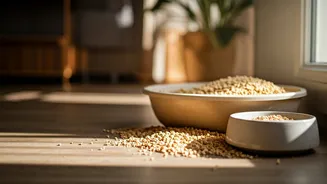
At its core, corn husk litter is exactly what it sounds like: a pet litter made from the dried, ground-up husks and cobs of corn. Unlike traditional clay litters that are mined from the earth or silica gel litters created through chemical processes, corn-based
options come from a renewable agricultural resource. After the corn kernels are harvested for food, the remaining parts of the plant are repurposed. This process turns a potential waste product into a highly absorbent, lightweight material, offering a plant-based alternative for your pet’s toilet needs.
The Promise of Odor Control
The headline claim of “odorless” is a bold one, but corn litter comes surprisingly close. Its effectiveness lies in its highly porous structure. The natural fibers of the corn husk act like millions of tiny sponges, trapping ammonia and urine odors on contact. Many brands also have a naturally pleasant, slightly sweet smell that helps mask unpleasant scents without resorting to heavy perfumes or artificial fragrances, which can be off-putting to both pets and humans. While no litter can magically make a dirty litter box smell like nothing, corn-based options are widely praised for their superior, long-lasting odor absorption compared to many traditional litters.
An Eco-Friendly Choice
For environmentally conscious pet owners, corn husk litter presents a compelling case. Clay litter is strip-mined, a process that has a significant environmental footprint, and the used product sits in landfills indefinitely. Corn, on the other hand, is a renewable resource. Because it’s made from plant material, it is biodegradable. This means it can break down naturally over time. Many corn litters are also marketed as flushable. However, this should be done with extreme caution. Older plumbing systems and septic tanks may not be able to handle it. Always check with local regulations and flush only small, broken-up clumps to avoid causing a blockage. Composting used litter (from healthy, indoor-only cats) is another eco-friendly disposal method, but it should only be used for ornamental gardens, never on edible plants.
Health and Safety Benefits
A key advantage of corn litter is its low-dust formulation. Many traditional clumping clay litters create fine silica dust, which can be an irritant for both pets and people, especially those with asthma or respiratory sensitivities. The larger, softer granules of corn litter produce minimal dust when poured or scooped. Furthermore, being a natural food product, it is generally considered non-toxic if accidentally ingested in small amounts by a curious cat or kitten—a comforting thought for any pet owner. This makes it a gentler, potentially healthier option for your home’s air quality and your cat’s respiratory system.
Potential Downsides to Consider
Despite its many benefits, corn husk litter isn't perfect. Firstly, the cost can be higher than a bulk bag of basic clay litter, which might be a factor for budget-conscious households. Secondly, because the granules are so lightweight, they can be more prone to tracking—meaning you might find bits of litter scattered around the house. Using a good litter mat can help mitigate this. Finally, the most significant hurdle might be your cat. Felines can be notoriously particular about their bathroom habits. Some may dislike the different texture or natural scent of corn litter and refuse to use it. A slow transition is key to gaining their approval.
How to Make the Switch
To increase the chances of a successful transition, don't swap the litters out all at once. Start by mixing a small amount of the new corn litter into the old litter—about a 3-to-1 ratio of old to new. Let your cat get used to it for a few days. If they are using the box normally, gradually increase the proportion of corn litter over the next week or two, moving to a 50/50 mix, then a 1-to-3 ratio, until you have fully replaced the old litter. This slow and steady approach allows your cat to adjust to the new texture and scent at their own pace, preventing a stressful bathroom standoff.