



From Possessions to Post-Pandemic Experiences
The most significant driver behind this trend is a deep-seated generational change in values. For many young Indians, particularly Gen Z and millennials, the focus has moved from materialism to making memories. After years of pandemic-induced isolation
and digital fatigue, the hunger for tangible, real-world communal experiences is immense. Research shows a clear preference for spending on experiences like travel, festivals, and concerts over purchasing physical goods. This shift is so pronounced that some reports project spending on experiences will outpace spending on goods in India by 2030. Attending a concert is no longer just a night out; it’s an investment in a unique, shareable memory, a stark contrast to the predictability of streaming content at home.
The Power of the Purse
This cultural shift is powerfully enabled by economic growth. With rising disposable incomes, a growing middle class, and increased financial independence, more young people have the means to splurge on concert tickets, which were once seen as an unaffordable luxury. This has transformed India’s live events industry into a behemoth, with the market valued at over ₹13,000 crore and projected to grow significantly. The success of events is a testament to this new spending power. Promoters and brands have taken note, seeing a generation willing to pay a premium for high-quality, immersive entertainment. This economic viability ensures that the recent flood of events is not a temporary wave but a sustainable commercial ecosystem.
India on the Global Tour Map
For decades, seeing a top-tier international artist in India was a rare treat. Today, it’s becoming the norm. Global music icons like Coldplay, Ed Sheeran, and Travis Scott are now including multiple Indian cities in their world tours, a direct result of the country’s emergence as a viable and enthusiastic market. The unprecedented success of recent large-scale concerts, which generated crores in revenue and had a massive economic ripple effect on tourism and hospitality, has sent a clear message to the global music industry: India is ready. Promoters are now investing heavily in the infrastructure and production capabilities required to host these world-class shows, ensuring that Indian fans no longer have to travel abroad to see their favourite acts.
Homegrown Heroes and Social Currency
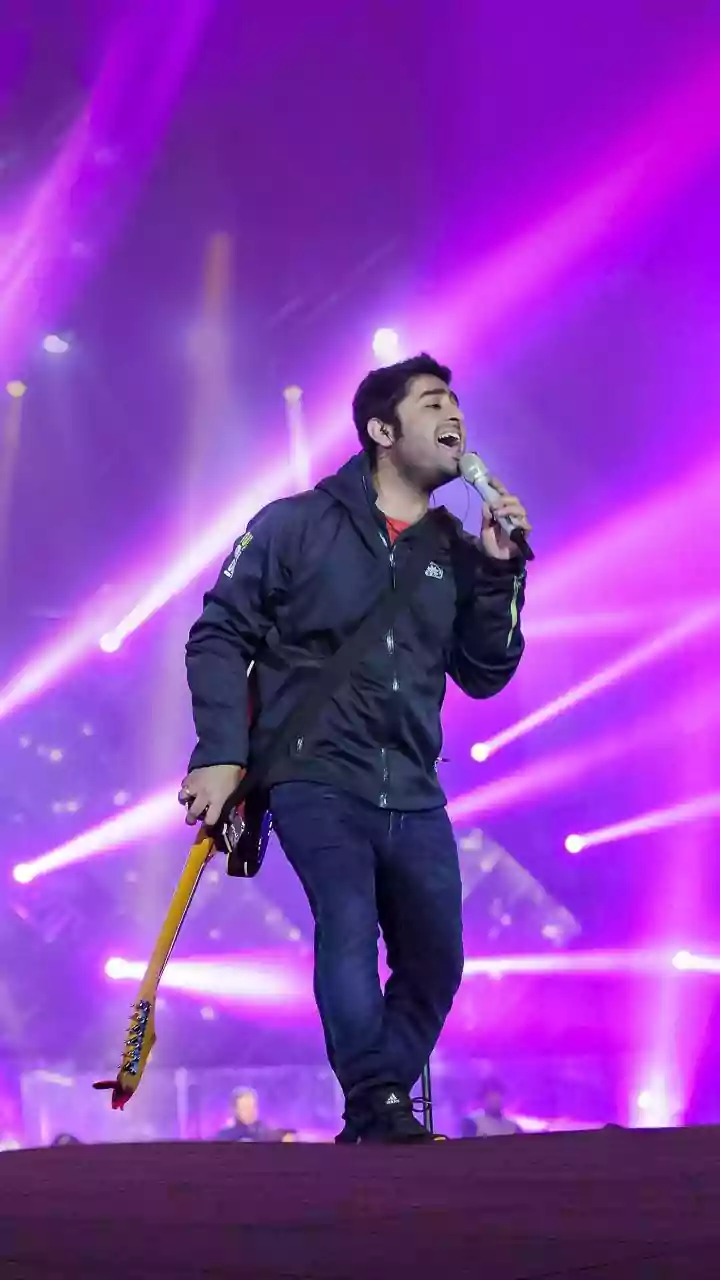
The boom isn't just about international talent. India's own artists are now superstars capable of filling stadiums. Performers like Diljit Dosanjh and Arijit Singh are drawing massive crowds, headlining tours that rival their global counterparts in scale and production. Simultaneously, the festival circuit, spanning from large-scale events like Lollapalooza and Sunburn to boutique regional festivals, has democratised the live music experience, taking it beyond the metros and into Tier-2 and Tier-3 cities. Fueling all of this is the power of social media. A concert is now a form of social currency—an event to be experienced, documented, and shared. The fear of missing out, combined with the desire to be part of a major cultural moment, makes attending a concert an essential part of a young person’s social life.