




Moving Beyond the Mainstream Menu
For years, the vast culinary landscape of India was represented in restaurants by a handful of North Indian staples and popular South Indian dishes. Think butter chicken, naan, biryani, and dosa. While delicious, these dishes barely scratch the surface
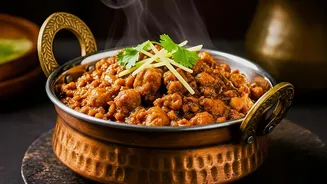
of what the subcontinent has to offer. Now, a growing curiosity among diners is fuelling a movement towards hyperlocal and regional specialities. From the fiery flavours of Chettinad to the smoky, earthy dishes of Nagaland and the subtle complexities of Keralan coastal food, diners are finally exploring the true diversity of Indian cooking. This isn't just a fleeting trend; it's a fundamental shift in how India's culinary identity is being understood and celebrated.
Chefs as Cultural Ambassadors
A new generation of Indian chefs is at the forefront of this change, acting as evangelists for their native cuisines. Rather than sticking to well-trodden paths, these culinary leaders are delving into their own heritage, reviving forgotten recipes, and championing local ingredients. Chefs like Prateek Sadhu with his Himalayan-focused restaurant Naar, and the team at Mumbai's Masque, are redefining fine dining by putting indigenous ingredients and traditions at the centre of the plate. Others, like the founders of Kappa Chakka Kandhari in Chennai, focus on specific regional cuisines—in their case, Kerala—to showcase depth and authenticity. These chefs are not just cooking; they are telling stories, preserving culture, and educating diners plate by plate.
The Social Media Effect
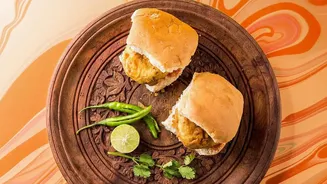
Social media platforms, especially Instagram, have become powerful engines for food discovery in India. The visual nature of these platforms is perfectly suited to showcasing the vibrant colours and textures of Indian food. Food bloggers and influencers have become the new tastemakers, introducing millions of followers to dishes like Naga pork curry or a hyperlocal thali that they might never have encountered otherwise. Viral videos of street food vendors or a home cook sharing a family recipe can create an overnight sensation, driving massive interest and demand. For many younger diners, a scroll through Instagram has replaced traditional restaurant reviews as the primary tool for deciding where and what to eat.
A Search for Authenticity and Connection
The trend also taps into a broader cultural desire for authenticity and connection. In a world of globalised menus, there's a growing appreciation for food that tells a story and is rooted in a specific place and culture. This movement is driven by a desire for real, honest flavours over generic, mass-produced experiences. Many chefs and diners are embracing a "locavore" philosophy, focusing on seasonal ingredients sourced from local farms and producers. This not only results in fresher, more flavourful food but also fosters a deeper connection between the diner, the chef, and the agricultural community that sustains them.
Renewed Pride in Local Heritage
Ultimately, the rise of regional cuisine reflects a growing sense of pride in India's diverse cultural heritage. A new generation, shaped by travel and global media, is increasingly curious about its own roots. This is manifesting as an appetite for food that is unapologetically local and traditional. Instead of seeking validation from international culinary trends, both chefs and consumers are finding value and excitement in their own backyards. This rediscovery is not about nostalgia for its own sake, but about confidently carrying culinary traditions forward and giving them a place on the national—and even global—stage.