
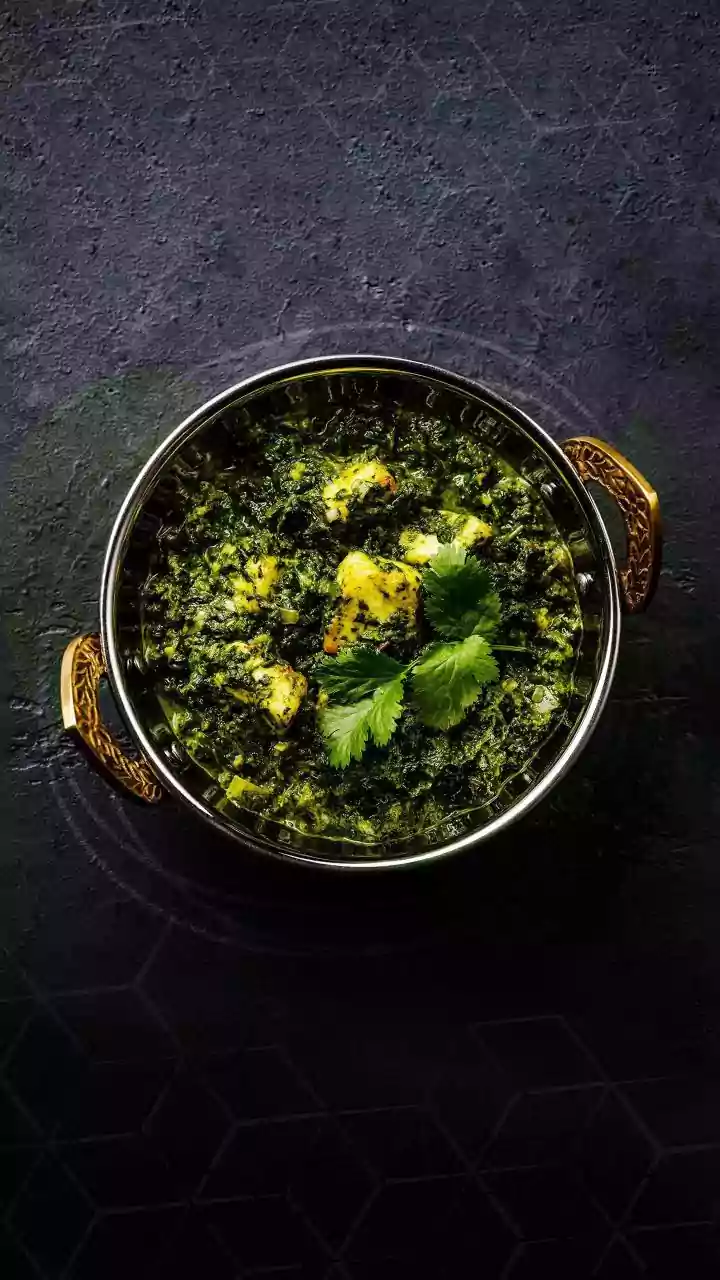
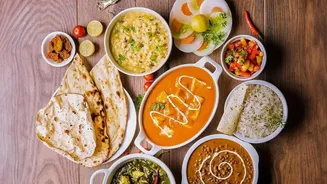
The New Festive Plate
This festive season, the Indian dining table is a delicious study in contrasts. While grandmother’s recipes remain sacred, a parallel track of playful experimentation has emerged, transforming the way we celebrate. Chefs and ambitious home cooks are pushing
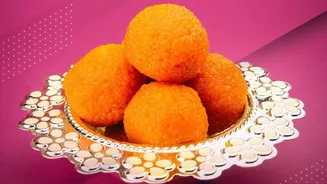
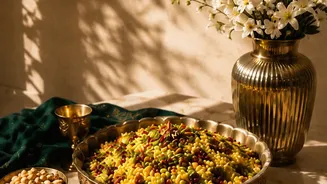
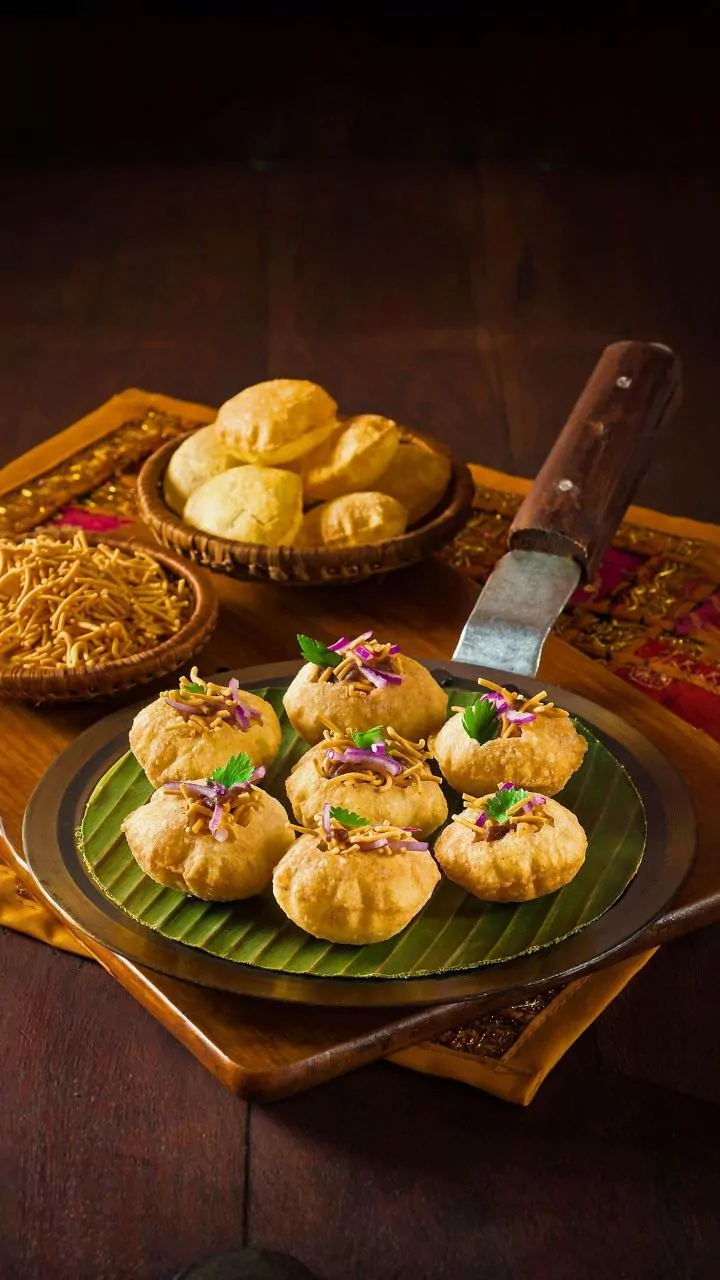
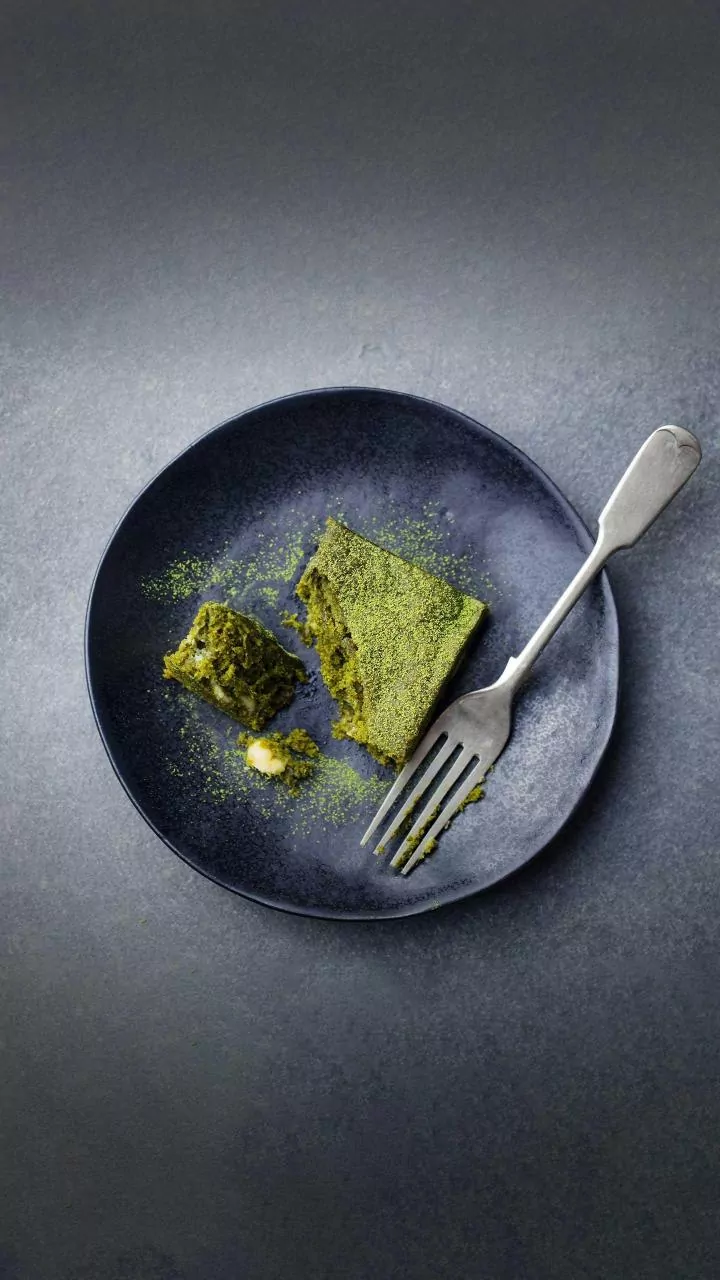
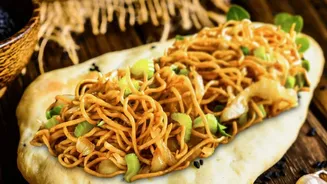
boundaries, reinterpreting classics with global techniques and unexpected ingredients. Think of pani puri shots served with fruit-infused waters, samosa chaat layered in elegant cups, or even a motichoor ladoo finding a new home in a cheesecake. This isn't about replacing the old, but rather, about adding a new, exciting chapter to India's rich culinary story. The trend showcases a cuisine that is confident enough to play with its identity, creating fusion dishes like paneer tikka tacos and butter chicken wellingtons that are becoming festive showstoppers in their own right.
What’s Driving the Innovation?
Several factors are stirring this creative pot. Increased global travel and a digitally connected world have exposed a generation of Indians to new flavours and culinary techniques. Social media platforms have turned food into a visual medium, inspiring cooks to create dishes that are as beautiful as they are delicious. Furthermore, a new wave of chefs is leading the charge, armed with international training and a passion for showcasing regional Indian ingredients in a modern light. These culinary artists are deconstructing and reimagining dishes, proving that tradition can be a launchpad for innovation. This movement is also trickling down to home kitchens, where food bloggers and online tutorials empower people to try their hand at dishes like quinoa biryani or avocado parathas.
The Unshakeable Core of Tradition
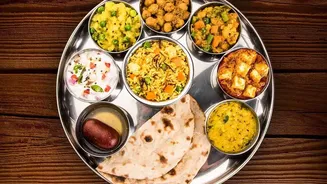
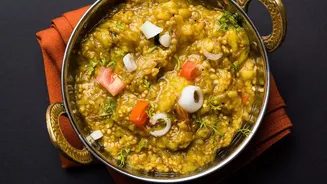
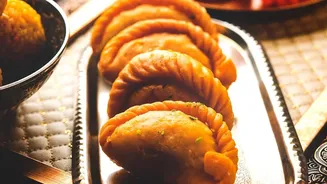
Despite the exciting fusion trends, the soul of festive food in India remains deeply rooted in tradition. The central festive meal, the offerings made during pujas, and the sweets exchanged between families continue to be the classics. Dishes like biryani, puran poli, and undhiyu are more than just food; they are carriers of culture, memory, and regional identity. They connect us to the seasons and the land, with winter festivals featuring warming ingredients like sesame and jaggery, and monsoon celebrations incorporating other seasonal produce. These traditional sweets and meals are non-negotiable, providing an anchor of familiarity. The new experiments are additions to the feast, not replacements for its heart. The consensus is clear: traditional sweets aren't being replaced; they're being upgraded with better packaging and hygiene standards, but the beloved tastes remain.
Chefs Leading the Charge
Across India's culinary landscape, chefs are demonstrating how to honour heritage while pushing boundaries. Professionals like Manish Mehrotra have gained fame by reinterpreting classic dishes with a progressive approach, blending the old and the new seamlessly. Others focus on hyper-local, seasonal produce to create tasting menus that tell a story about a specific region in a contemporary format. For these chefs, innovation isn't about erasing the past but about finding new ways to express it. They might use modern techniques like sous-vide to perfect a traditional kebab or infuse a dessert with an unexpected flavour, but the underlying taste profile remains distinctly Indian. This philosophy is being embraced globally, with Indian chefs abroad also finding success with what some call "unauthentic Indian" cuisine, which uses traditional flavours as a starting point for creative street-food narratives.