





Our Palates Are Growing Up
For years, the dominant notes in mainstream dining have been comfortably familiar: sweet, salty, and savoury. But a quiet revolution is taking place on our plates. Diners are becoming more adventurous, and chefs are responding by moving beyond the obvious.
They are exploring the exciting world of 'sharp' flavours — the puckering tang of acidity, the sophisticated edge of bitterness, and the deep, complex funk of fermentation. This shift isn't about shocking the palate, but rather about expanding it. Indian cuisine has always had these notes in its DNA, but now they are being brought to the forefront, used with intention to create dishes that are not just tasty, but deeply memorable. It’s a move from simple satisfaction to a more complex, layered, and ultimately more rewarding, dining experience.
The Power of the Pucker
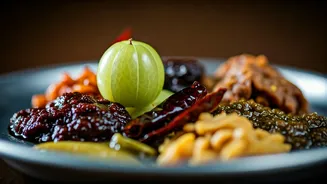
Acidity is the unsung hero of the flavour world, acting like a spotlight that makes everything else brighter. In India, souring agents are culinary cornerstones, and chefs are now using them with renewed creativity. Ingredients like tamarind, kokum, raw mango (amchur), and various forms of vinegar are being used to cut through richness and add a refreshing zing. Think of a coastal fish curry, where the tang of kokum or tamarind doesn't just add sourness, but balances the sweetness of the coconut milk. Modern restaurants are using house-made vinegars and citrus infusions to elevate everything from salads to slow-cooked meats. This embrace of acidity isn't just a trend; it's a rediscovery of how sour notes can lift a heavy dish, cleanse the palate, and make flavours pop in a way that salt alone cannot.
Getting Comfortable with Bitter
Bitter has long been the most misunderstood of tastes, often associated with being unpleasant. However, in controlled doses, bitterness adds a sophisticated, adult complexity to food that no other flavour can replicate. Indian cuisine has a rich tradition of using bitter ingredients, not just for taste but for their health benefits, as highlighted in Ayurveda. While bitter gourd (karela) is a classic example, chefs are now exploring a wider spectrum. This includes the subtle bitterness of fenugreek (methi) seeds, the earthiness of turmeric, dark leafy greens, and even the use of dark chocolate and coffee in savoury rubs and sauces. In Bengali cuisine, a meal often traditionally starts with a bitter dish like Shukto to cleanse the palate and aid digestion. This growing appreciation for bitterness signals a maturing of the modern Indian palate, one that seeks depth and nuance over simple, one-note flavours.
The Funky World of Fermentation
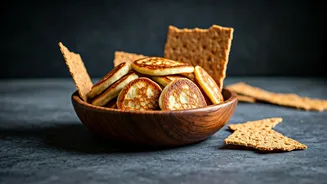
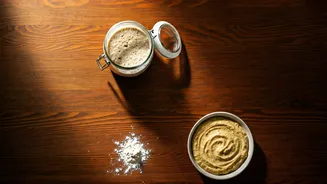
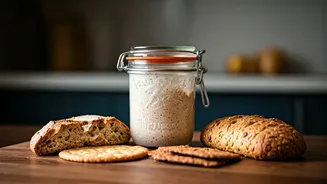
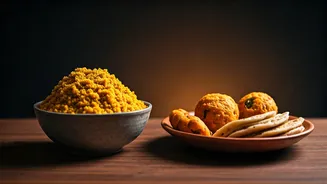
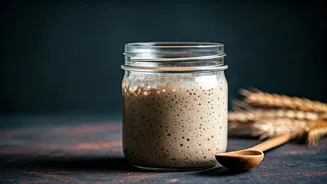
Perhaps the most exciting frontier in the world of sharp flavours is fermentation. What was once a traditional method of preservation is now a celebrated culinary technique for developing intense, unique tastes. Fermented foods are rich in probiotics and offer a distinct tangy, umami-rich character. While staples like dosa, idli, and dahi have always been part of the Indian diet, the trend is now expanding. Restaurants are making their own kimchi, kombucha, and kefir, and using fermented batters and sauces to add a signature funk to their dishes. You might find pork belly buns with fermented kimchi or chicken tikka marinated in fermented blue cheese. This trend also ties into a growing awareness of gut health, with consumers actively seeking out the benefits of these live foods. From homemade kanji, a fermented carrot drink, to pickles made the old-fashioned way with salt and time, fermentation is being recognized as both a science and an art.