




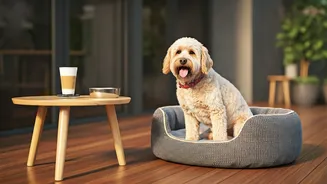


Pets as Part of the Family
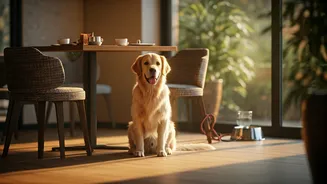
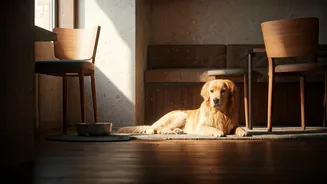
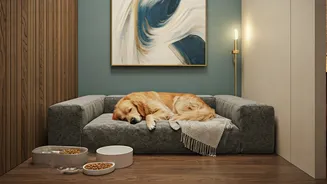
The single biggest driver is a profound change in how people view their pets. The relationship has evolved from one of ownership to parenthood, a trend known as 'pet humanisation'. Especially in urban centres, pets are no longer just animals that guard
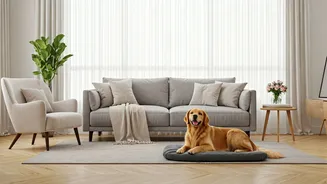
the house; they are integral family members who provide companionship and emotional support. This shift was accelerated during the pandemic, which strengthened the bond between people and their pets. As a result, 'pawrents' are increasingly willing to spend more on their pets' well-being, seeking high-quality food, healthcare, and experiences they can share together, driving demand for spaces that welcome their four-legged family members.
The Millennial and Gen Z Effect
Demographics play a crucial role, with Millennials and Gen Z leading the charge in pet adoption. These generations often live in nuclear families or are child-free, viewing pets as companions that help combat loneliness and stress in fast-paced urban lives. Studies show a significant number of young pet owners in India are first-timers, with some reports indicating 69% fall into this category. As this demographic becomes the dominant group of renters and homebuyers, their preferences are reshaping the market. They actively seek out apartments, cafes, and even workplaces that align with their pet-inclusive lifestyle, making it a dealbreaker in their decision-making process.
A Smart Business Decision
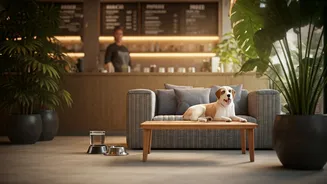
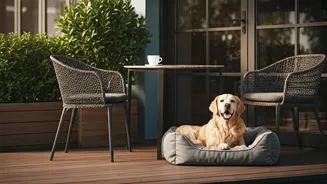
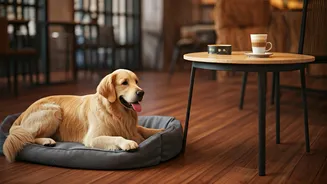
Businesses are quickly realising that being pet-friendly is a powerful competitive advantage. Cafes, hotels, and shops that welcome pets attract a loyal and growing customer base of owners who want to include their companions in their social lives. These establishments often see increased footfall, especially on weekends. In the corporate world, pet-friendly offices are becoming a sought-after perk to attract and retain talent, particularly among younger employees. Companies report that having pets in the office reduces stress, improves morale, and fosters a more collaborative and positive work environment.
Real Estate Caters to a New Demand
The real estate sector is responding directly to the surge in pet ownership. Developers are no longer just allowing pets; they are actively designing communities with them in mind. New residential projects increasingly feature amenities like dedicated dog parks, walking trails, pet grooming stations, and waste disposal systems. This shift is driven by clear market advantages: pet-friendly properties often sell or rent faster and can command higher resale values. While challenges remain, with only a fraction of rental properties being explicitly pet-friendly, the trend is clear—housing is evolving to create environments where pets are not just tolerated, but truly welcomed.