






A Shift in Romantic Ideals
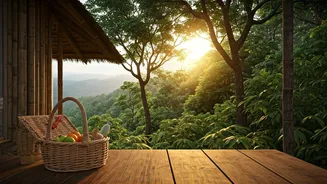
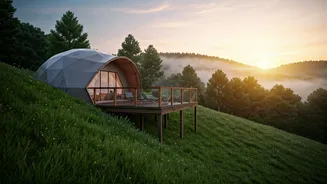
The definition of luxury is changing. For a growing number of newlyweds, it’s less about gold taps and champagne on arrival, and more about golden sunrises viewed from an open-air pavilion. This new ideal swaps extravagance for experience, and opulence
for authenticity. For couples whose values are woven into their lives, a honeymoon is no longer a frivolous exception but a meaningful extension of their principles. Choosing a bamboo sanctuary isn’t a sacrifice; it’s a conscious decision to begin a marriage by investing in a memory that is both beautiful and responsible. It represents a quiet luxury that whispers sustainability instead of shouting wealth, aligning perfectly with a cultural shift towards more mindful consumption.
Why Bamboo is the Star
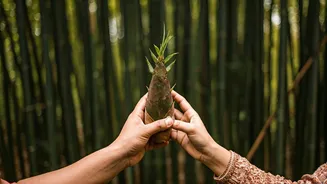
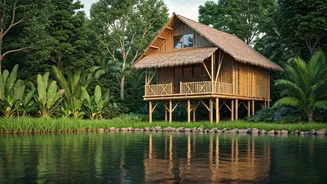
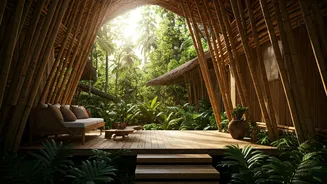
Bamboo is far more than a rustic aesthetic choice; it is a marvel of natural engineering. As one of the fastest-growing plants on Earth, it is a highly renewable resource that sequesters significant amounts of carbon as it grows. Architecturally, it boasts a tensile strength comparable to steel, enabling visionary designers to create breathtaking structures that are both strong and flexible. In the hands of innovators, bamboo poles are transformed into cathedral-like villas, spiralling staircases, and intricate, organic forms that appear to grow directly from the jungle floor. To stay in one of these structures is to be fully immersed, living inside a piece of natural art that is both sustainable and deeply awe-inspiring.
A Honeymoon with a Conscience
The appeal of these sanctuaries extends well beyond the building material. The “off-grid” promise is central to their allure. In practice, this often means they generate their own electricity via solar panels, harvest rainwater for all their needs, and employ sophisticated systems for waste management and composting. Food is typically sourced from on-site organic gardens or neighbouring farms, drastically reducing food miles while supporting the local economy. This holistic approach to sustainability allows couples to indulge in a truly restorative experience without the environmental guilt that can accompany conventional travel. It’s a honeymoon that actively participates in a regenerative model, aiming to leave a positive impact on its environment.
Disconnecting to Reconnect
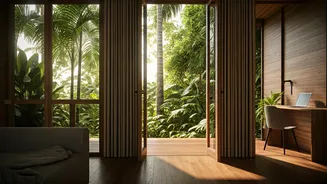
In our hyper-connected, always-on world, genuine quiet has become a rare and precious commodity. These sanctuaries are often situated in remote locations with limited or non-existent Wi-Fi, a feature that is deliberately marketed, not apologised for. By removing the constant pull of notifications and digital distractions, couples are given the time and space to connect fully with each other and their surroundings. The soundtrack is no longer a curated playlist but the rich chorus of the jungle—the chirping of cicadas, the rustle of leaves, the call of a distant bird. This intentional disconnection fosters deeper conversation and a shared sense of presence, creating a peacefulness that is often the most cherished souvenir from the trip.
Global Sanctuaries, Local Soul
While Bali, Indonesia, is often seen as the epicentre of the bamboo architecture movement—home to iconic properties like Bambu Indah and Green Village—the concept is flourishing globally. You can now find stunning bamboo lodges in the lush rainforests of Costa Rica, along the coastlines of Thailand, and in emerging eco-tourism hubs across India. Each sanctuary, while sharing a common ethos, is deeply rooted in its local culture. They partner with local communities, employ artisans from the area, and offer experiences that provide a genuine connection to the place. This ensures the honeymoon is not just a stay, but a true immersion, making the destination a part of the couple’s story.