





The Lifeline Under Pressure
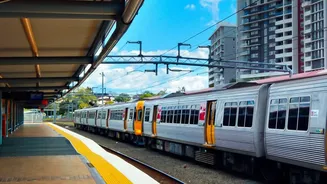
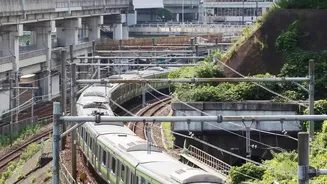
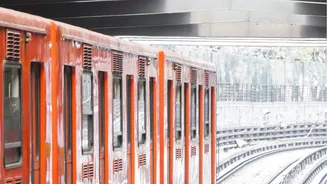
The Mumbai Suburban Railway is more than just a transport network; it's the city's beating heart, carrying over 7.5 million people every single day. Known colloquially as 'locals', these trains are the undisputed lifeline for the Mumbai Metropolitan Region.
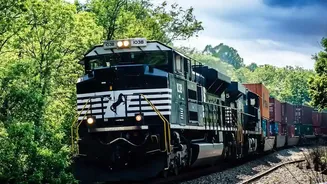
However, this lifeline is stretched to its breaking point. Overcrowding is legendary, and punctuality often suffers due to a fundamental bottleneck: the tracks are not exclusively for commuters. The same lines that carry millions of passengers are also used by long-distance express trains and, crucially, slow-moving goods trains. This mixed traffic forces local services to compete for space, leading to frequent delays and speed restrictions that ripple across the entire network, frustrating commuters and hampering the efficiency of the city's primary mode of transport.
A New Path for India's Commerce
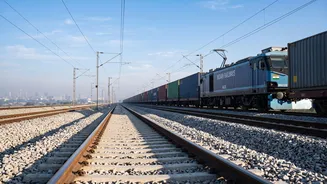
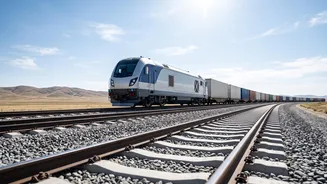
Enter the Dedicated Freight Corridor (DFC), a game-changing project nearly two decades in the making. On September 8, 2026, the final sections of the Western Dedicated Freight Corridor (WDFC) were inaugurated, making the entire 1,506-kilometre route from Dadri in Uttar Pradesh to Jawaharlal Nehru Port (JNPT) in Mumbai fully operational. As the name suggests, this is a high-speed, high-capacity railway network built exclusively for transporting goods. It’s designed to be a superhighway for freight, allowing trains to run at speeds up to 100 km/h, a massive leap from the average 25-30 km/h on conventional lines. This network is built to handle longer, heavier trains and double-stacked containers, drastically improving logistics efficiency.
How Separating Tracks Unclogs the System
The logic behind the relief for Mumbai's commuters is simple but profound: segregation. By shifting the dozens of freight trains that currently lumber through the Mumbai region onto the new, parallel WDFC, Indian Railways will free up immense capacity on the existing tracks. Freight trains will no longer have to be sidelined to let passenger trains pass, and passenger trains will no longer get stuck behind them. This operational freedom is the key to unlocking a more efficient suburban service. With goods traffic moved to its own dedicated line, the path is cleared for Indian Railways to focus on its passenger services, particularly the high-density local network that is the backbone of Mumbai's daily life.
What Commuters Can Expect
The most significant and immediate impact for Mumbaikars will be a tangible improvement in their daily commute. The decongestion of existing lines allows for two major benefits: increased frequency and better punctuality. With freed-up track capacity, the Railways can introduce more local train services, directly addressing the root cause of the infamous 'super-dense crush load'. More trains mean less crowding and shorter waiting times on platforms. Secondly, with fewer conflicts between freight and passenger trains, the punctuality of local services is expected to improve dramatically. While the full benefits will be rolled out progressively, the commissioning of the WDFC marks a pivotal moment, paving the way for a less stressful and more reliable journey for millions.
Beyond a Better Commute
While the prospect of a less crowded train is the headline for most residents, the DFC's impact extends far beyond the daily commute. For the nation's economy, it means faster movement of goods between industrial hubs in the north and the critical western ports, reducing logistics costs and making Indian exports more competitive. This shift from road to rail is also a significant step towards environmental sustainability, reducing fuel consumption and carbon emissions. By strengthening the country's supply chain backbone, the DFC project not only promises to ease Mumbai's rail congestion but also to fuel broader economic growth, reinforcing the city's status as India's financial capital.