





The Global Stamp of Approval
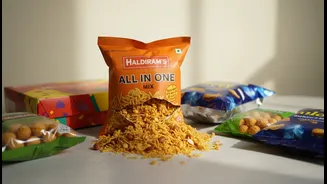
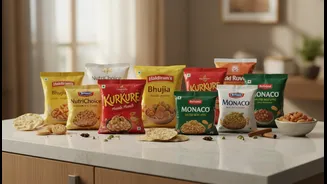
Success in a competitive foreign market serves as a powerful validator. When an Indian snack brand makes it big in London, New York, or Dubai, it’s not just a win for the company; it’s a signal of quality and innovation that resonates back home. Brands
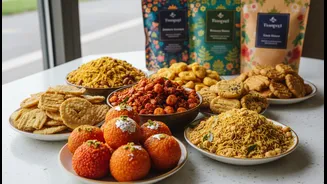
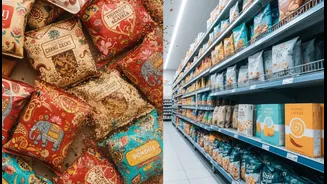
like Haldiram's, which now exports to over 80 countries, have demonstrated that Indian snacks can move from the niche 'ethnic' aisle to the mainstream grocery cart. This global success, with some brands achieving billion-dollar valuations, creates a halo effect. Indian consumers and restaurateurs see this and think: if it’s good enough to win over international palates, it must be exceptional. This perception drives curiosity and demand within India, creating a market for concepts and flavours that have been proven on a global stage.
Diaspora as Culinary Innovators
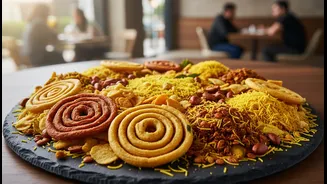
The Indian diaspora has been a crucial bridge for culinary exchange. Faced with different ingredients and palates, Indians abroad have long adapted and innovated traditional recipes. They've created fusion dishes and new snack formats that are both authentically Indian at their core and excitingly modern in their execution. This evolution is no longer a one-way street. Thanks to social media and travel, these new creations are flowing back to India. A chef in Canada might develop a new take on a classic chaat, or a home cook in the UK might create a viral new snack. These ideas are quickly picked up by food bloggers, chefs, and entrepreneurs in India, who see the potential to introduce these fresh, globally-inflected flavours to a domestic audience eager for novelty.
The Social Media Feedback Loop
Instagram and TikTok have become global mood boards for food trends. When an Indian-inspired snack or dish goes viral in another country, it instantly appears on the feeds of millions in India. This creates a powerful form of 'reverse influence.' Diners in Mumbai or Delhi see visually appealing, innovative Indian snacks being enjoyed in other parts of the world and the demand is created almost overnight. Food businesses are paying close attention. They monitor these trends to gauge what might work in the Indian market, sometimes even before the product is physically available. This digital exposure shortens the trend lifecycle, forcing local businesses to be more agile and responsive to global conversations about Indian food.
A New Confidence in Indian Cuisine
The success of Indian food abroad has fostered a new sense of confidence and creativity at home. For years, innovation often meant borrowing from Western cuisines. Now, chefs are finding inspiration within the vast spectrum of Indian food itself, but with a modern, global perspective. They are exploring regional recipes, reviving forgotten ingredients, and applying contemporary techniques to traditional dishes. This movement is partly inspired by international Indian chefs who have earned Michelin stars and global acclaim by presenting Indian flavours in a modern fine-dining context. This has encouraged chefs in India to be bolder and more experimental, knowing there is a receptive audience for high-quality, inventive Indian food that tells a story.
The Rise of Specialised and Healthy Options
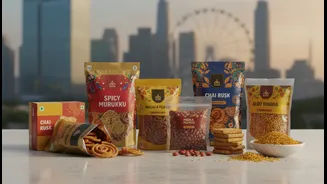
Another key driver is the growing demand for specialised and healthier snack options. Abroad, Indian brands often have to cater to health-conscious consumers, leading to innovations like millet-based snacks, baked options, and products with clean labels. Startups are also creating new categories like high-quality, freeze-dried versions of Indian comfort foods for travellers and the diaspora. As these products gain traction internationally, they introduce new ideas and standards that influence the Indian market. Indian consumers are also becoming more health-conscious and are looking for convenient, high-quality snacks that fit their lifestyle. The success of these products abroad provides a compelling blueprint for businesses in India to follow.