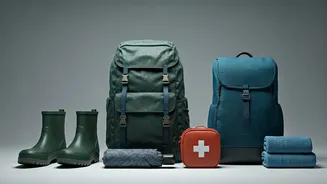









For the Sweat: Embrace Breathable Fabrics
India’s heat and humidity can be relentless, making fabric choice the most critical part of your wardrobe. The golden rule is to prioritize breathable, lightweight materials that don’t cling to your skin. Natural fibers are your best friends. Lightweight
cotton and linen are exceptional choices; they allow air to circulate, helping you stay cool. [8, 9, 11] While cotton absorbs sweat, which can feel heavy, its breathability is a major advantage. [13] Linen is highly breathable and dries quickly, though it wrinkles easily—a trait that’s part of its charm in a travel context. [9] For a more modern approach, consider performance fabrics like rayon or synthetic blends designed to wick moisture away from your body, which are ideal for active days. [9, 18] Loose-fitting clothing is key. [8] Think flowy trousers, long skirts, and relaxed-fit shirts, which allow for a layer of air between the fabric and your skin. [15] Not only is this more comfortable, but it’s also culturally respectful. [4, 6] Packing a few long-sleeved but lightweight shirts can also offer crucial protection from the sun without causing you to overheat. [5]
For the Rain: Master the Monsoon
If your travels fall during the monsoon season (typically June to September), being prepared for rain is non-negotiable. [7, 12] A lightweight, packable waterproof jacket or poncho is your single most important item. [10, 17] Look for one large enough to cover both you and a small daypack. [10] A sturdy, wind-resistant umbrella is also essential for sudden showers. [10, 19] Footwear is another major consideration. Streets can become slippery and flooded, so waterproof sandals with a good grip or quick-dry sneakers are vital. [10, 17] Avoid materials that stay soggy for hours. Quick-dry clothing made from synthetic fabrics like polyester and nylon will be a game-changer, as they dry much faster than cotton. [10, 19] It's also wise to carry a spare set of dry clothes in your daypack, stored in a waterproof bag. [10] Protecting your valuables is just as important. Use waterproof bags, pouches, or even simple Ziplock bags to shield your phone, passport, and other electronics from moisture. [10, 20]
For the Thunder: Prepare for the Unexpected
In India, 'thunder' isn’t just a sound in the sky; it’s the delightful unpredictability of the journey. This means packing for situations beyond the weather. A well-stocked first-aid kit is crucial. [12] Include basics like pain relievers, antiseptic wipes, band-aids, motion sickness tablets, and anti-diarrhea medication. [4, 16, 22] Mosquito repellent is another must-have, especially during monsoon season when mosquito-borne illnesses are more common. [10, 22] Power cuts can be frequent in some areas, so a fully charged power bank is your lifeline for keeping devices running. [19, 21] For cultural respect, particularly when visiting temples, mosques, or gurdwaras, a large scarf or shawl is indispensable for covering your head or shoulders. [3, 7] This simple item can also protect you from sun and dust. [7] Finally, always have some tissues or toilet paper and hand sanitizer with you, as they may not always be available. [3, 6]
The All-Weather Essentials
Regardless of season or region, some items are universally useful across India. Comfortable, sturdy walking shoes are a must, as you will likely be on your feet a lot. [3] Consider packing one pair of sneakers and a pair of sandals that are easy to slip on and off, since you'll need to remove your shoes frequently before entering homes and religious sites. [3, 22] A lightweight sweater or jacket is surprisingly useful, even in hot climates, for powerfully air-conditioned trains, buses, and restaurants. [3, 23] Sun protection is vital year-round; pack high-SPF sunscreen, sunglasses, and a wide-brimmed hat. [7, 14] Lastly, a reusable water bottle is both eco-friendly and practical. You can refill it with bottled or filtered water, ensuring you stay hydrated while minimizing plastic waste. [3, 23]