




The Pitch: Practice Perfection 24/7
The core appeal of AI interview coaches is simple: unlimited, judgment-free practice. [14] These platforms use AI to generate role-specific questions, often tailored to a job description you provide. [4, 5] You answer on video, and the tool analyzes your
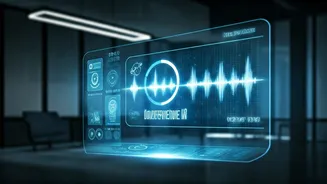
performance, providing instant feedback on metrics like speaking pace, filler words (e.g., "um," "like"), and the clarity of your answers. [2] For anyone who feels awkward asking friends for mock interviews or wants to practice at 2 a.m., this on-demand access is a significant advantage. [3] The goal is to build confidence and muscle memory through repetition, helping you structure stories and find your rhythm without pressure. [2, 4]
The Promise: Data-Driven, Unbiased Feedback
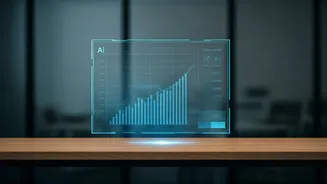
Unlike a human friend who might be too polite to give harsh feedback, AI coaches are designed to be objective. [2] They deliver data-driven insights, tracking your progress over time and highlighting specific areas for improvement. [2] Proponents argue this eliminates the subjective biases that human coaches can have. [2] The AI isn’t tired, it isn’t distracted, and it won’t be swayed by your charisma; it simply assesses your response against its programmed criteria. [13] For job seekers, this can feel like a level playing field, offering a low-pressure way to improve, particularly for those with social anxiety or non-native speakers. [14]
The Reality: A Lack of Human Nuance
However, the greatest strength of AI is also its biggest weakness: it isn't human. An AI cannot "read the room" to see if a joke landed or if the interviewer is losing interest. [1] It struggles to understand the emotional intelligence, cultural context, and rapport-building that are critical in a real interview. [1, 12] While an AI can tell you that you used the word "basically" five times, it can't tell you if your core story was compelling or if you came across as authentic. [6] Over-reliance on AI-generated scripts can even make candidates sound robotic or generic, which is a red flag for experienced hiring managers. [14, 15]
The Hidden Flaw: Algorithmic Bias
The claim of unbiased feedback is also debatable. AI models are trained on vast datasets, and if that data reflects existing human biases, the AI will learn and replicate them. [1, 18] For example, an algorithm trained on historical hiring data from a company that predominantly hired men for certain roles might subtly favor communication styles more common among men. [18] The AI is a mirror, reflecting the patterns it was shown. This means that instead of eliminating bias, some tools may simply automate it under a veneer of objectivity. [18]
The Verdict: A Powerful Tool, Not a Magic Bullet
So, are AI interview coaches helpful or just hype? The answer is both. They are undeniably useful for high-volume practice, refining delivery, and building confidence. [3, 16] They provide a fantastic, low-cost way to work on the mechanics of interviewing. [6, 7] However, they are not a replacement for human intelligence and experience. [1, 3] An AI can't provide strategic career advice, understand the subtle cues of a specific company culture, or help you navigate sensitive topics like a gap in your employment history. [1] A human coach excels at spotting the deeper issues that can make or break an offer, while an AI is best for polishing the surface. [16]