


What Exactly Is a Terracotta Wash?
Forget simple orange paint. When designers talk about a terracotta 'wash', they're referring to a finish rather than just a colour. This look is achieved using natural, mineral-based paints like limewash or Roman clay. Unlike standard acrylic or latex
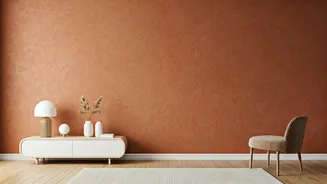
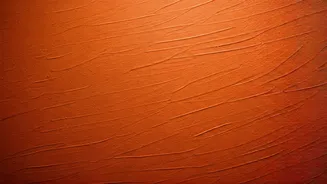
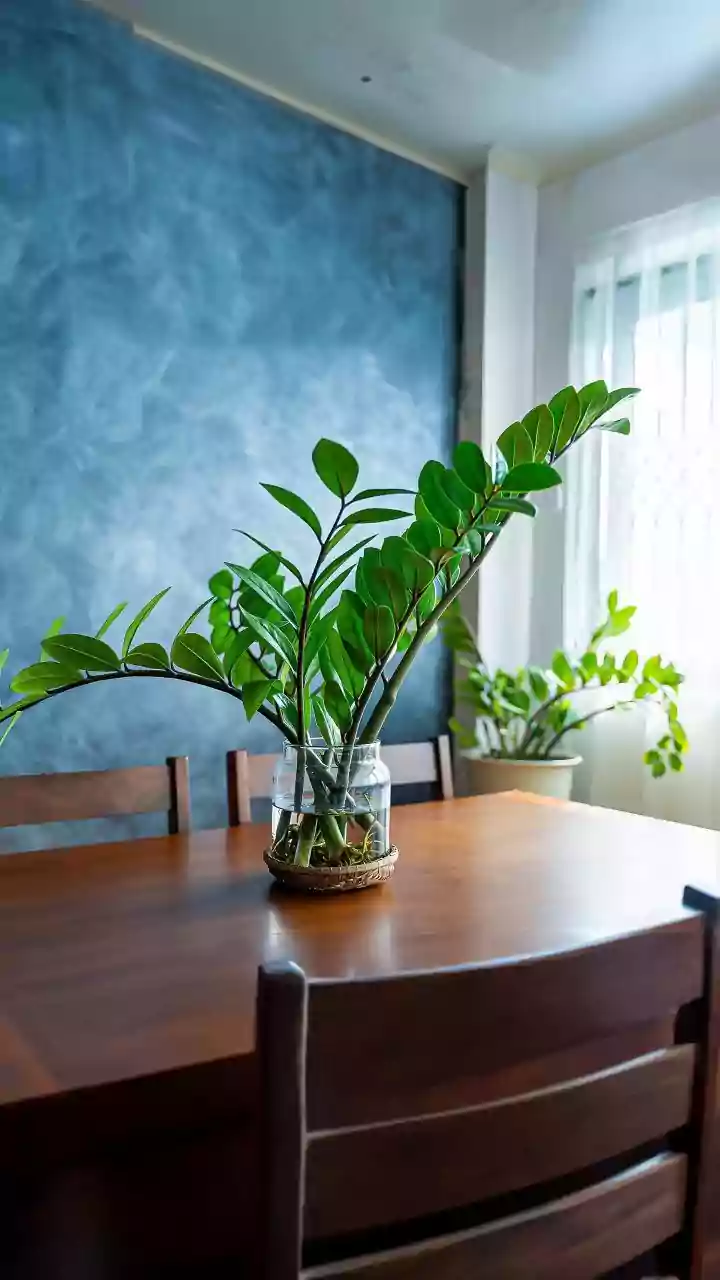
paints that form a plastic-like film on your walls, these natural paints penetrate the surface. The result is a beautifully chalky, matte finish with subtle variations in tone and texture. It mimics the soft, weathered look of ancient plastered walls found across the Mediterranean and, closer to home, in traditional Indian architecture. The 'terracotta' part refers to the spectrum of earthy, sun-baked colours—from dusty rose and burnt sienna to deep clay reds—that are currently dominating this trend.
The Appeal of Perfect Imperfection
So, why the sudden shift away from the crisp, uniform look of wallpapers? The trend is rooted in a larger cultural movement towards authenticity and wellness. In a world of mass-produced perfection, homeowners are craving spaces that feel personal, tactile, and grounded. A limewashed terracotta wall tells a story. Its gentle imperfections and cloudy texture add depth and character that a flat, repeating pattern simply cannot. This aesthetic, often linked to design philosophies like wabi-sabi (finding beauty in imperfection) and biophilia (our innate connection to nature), creates a calming, sanctuary-like atmosphere. It’s a quiet rebellion against the pristine, untouchable showroom and a warm embrace of a home that feels lived-in and real.
A Healthier Choice for Your Home
The benefits go beyond aesthetics. Many synthetic wallpapers, especially vinyl-based ones, are made with PVC and can release volatile organic compounds (VOCs) into the air. They are also non-breathable, which means they can trap moisture in the walls, potentially leading to mould and mildew issues, particularly in humid Indian climates. Natural mineral paints, on the other hand, are a much healthier option. They are typically zero-VOC, non-toxic, and anti-bacterial. Most importantly, they are breathable. This allows moisture to evaporate naturally through the wall, helping to regulate humidity and improve indoor air quality. For families with children, pets, or allergy-sufferers, this makes terracotta washes a compellingly safe and sustainable alternative.
How to Incorporate the Look
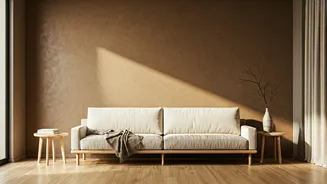
The beauty of a terracotta wash is its versatility. While it’s perfect for creating a stunning feature wall in a living room or behind a bed, its soft, organic nature allows it to be used across all four walls without overwhelming a space. It creates an enveloping, cosy feel in bedrooms and dining areas. Pair it with natural materials like jute rugs, rattan furniture, linen curtains, and warm woods to enhance the earthy vibe. The textured finish also plays beautifully with light, changing its appearance throughout the day and adding a dynamic quality to the room. Don't be afraid to use it in smaller spaces like a powder room or an entryway to make a powerful, sophisticated statement.
Getting It Right: DIY or Pro?
While applying a mineral wash is different from rolling on standard paint, it can be a rewarding DIY project if you’re patient. The technique often involves applying the paint in sweeping, cross-hatch strokes with a special block brush to create the signature cloudy effect. However, consistency is key, and the paint dries quickly. For larger areas or if you’re aiming for a very specific finish, hiring a professional painter experienced with limewash or similar products is a wise investment. Always test a sample patch on your wall first, as the colour can look different once it dries and cures, and its appearance will shift dramatically depending on the natural and artificial light in your room.