






The Crucial First Step: Clean Everything
Before you store any wool garment, it must be thoroughly cleaned. This is the single most important rule. Moths and other pests are not primarily attracted to the wool fibre itself, but to the invisible traces of skin cells, food particles, and body oils
left behind after wearing. Storing a seemingly clean but unwashed sweater is an open invitation for pests to feast. Depending on the garment's care label, either hand wash it using a specialised wool detergent or have it professionally dry-cleaned. Hand washing should be done gently in lukewarm water, avoiding any harsh scrubbing or wringing that could damage the fibres. For machine washing, use a delicates or wool cycle with a low spin speed and place items in a mesh bag for protection.
Ensure Garments Are Completely Dry
Moisture is the enemy of stored clothing. Packing away even a slightly damp woollen item can lead to mildew, mould, and a persistent musty smell that is difficult to remove. Never use a tumble dryer, as the heat can cause wool to shrink and distort. The best method for drying is to lay the garment flat on a clean, dry towel. You can gently roll the item up in the towel to absorb excess water, then unroll it and lay it flat on a drying rack away from direct sunlight or heat. Never hang wet or damp woollens, as the weight of the water will stretch the fibres and ruin the garment's shape.
The Art of the Fold
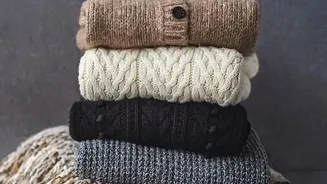
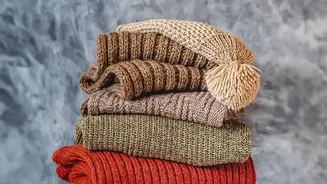
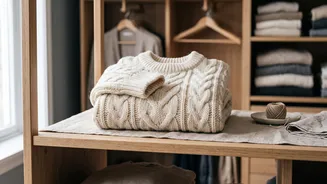
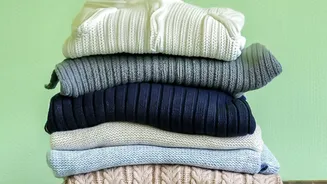
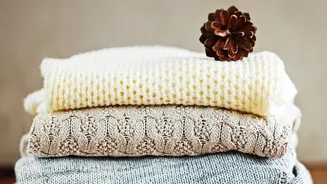
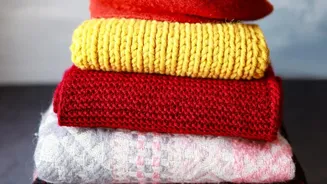
Gravity is unkind to knitwear. Storing heavy wool sweaters on hangers is one of the most common mistakes, leading to stretched-out shoulders and distorted necklines. The best practice is always to fold your woollens. A simple and effective method is to lay the sweater face down, fold the arms inward to create a rectangle, and then fold the body in half or thirds. This creates a neat package that prevents deep creases from setting in over several months. For very delicate items like cashmere, you can place acid-free tissue paper between the folds to provide extra cushioning. This technique helps preserve the natural loft and shape of the fibres.
Choose Breathable Storage Containers
While it might seem logical to seal clothes in airtight plastic containers, this can trap residual moisture and lead to mildew. The best storage solutions are those that allow air to circulate. Breathable cotton or canvas garment bags are an excellent choice. If you do use plastic bins, ensure they are clean and dry, and consider adding silica gel packets to absorb any ambient humidity. Avoid vacuum-sealed bags for long-term storage; while they save space, the compression can crush wool fibres and create permanent creases. For heirloom-quality pieces, dedicated cedar chests or archival boxes provide great protection while allowing the fabric to breathe.
Keep Pests at Bay Naturally
To protect your woollens from clothes moths, you don't need to rely on old-fashioned, chemical-laden mothballs. There are several effective natural deterrents. Cedar is a classic choice; the aromatic oils in the wood repel moths. You can use cedar blocks, balls, or hangers, but remember that the scent fades over time. Lightly sanding the wood every few months will refresh its potency. Sachets filled with dried lavender, cloves, rosemary, or thyme are also excellent repellents and will leave your clothes with a pleasant, fresh scent. Place these deterrents in your storage containers, but avoid direct contact with the garments to prevent oils from staining the fabric.
Find the Right Storage Environment
Once everything is packed, where you store it matters. The ideal location is cool, dark, and dry. Attics and basements are often poor choices because they are prone to significant temperature fluctuations and humidity, which can damage natural fibres. A spare closet, a dresser drawer, or space under a bed are all good options. Avoid areas with direct sunlight, as light can cause colours to fade. It's also a good idea to check on your stored items periodically, perhaps every couple of months. This allows you to inspect for any issues and refold items along different lines to prevent permanent creases from setting.