





A Health-Conscious Shift in Fast Food
The Indian QSR market, projected to reach over USD 30 billion in 2026, is undergoing a significant transformation. While burgers, pizzas, and fried chicken have long dominated, a noticeable shift is underway. Consumers are increasingly gravitating towards
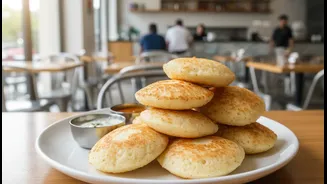
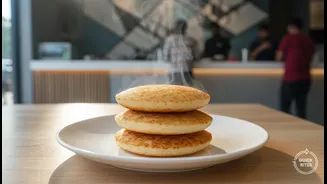
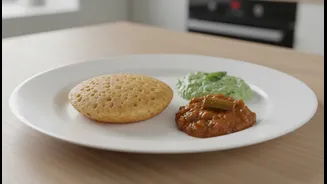
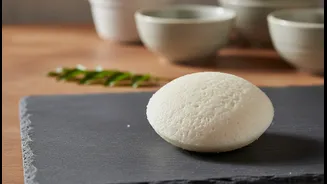
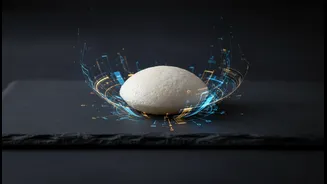
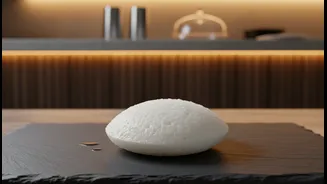
healthier, more traditional, and trusted food options. This trend is driven by a growing awareness of wellness and a desire for authenticity. South Indian cuisine, known for its relatively healthy ingredients and cooking methods, is a major beneficiary of this cultural pivot. Idli, being steamed and not fried, low in fat, and easily digestible, perfectly fits this new consumer demand. Made from a fermented batter of rice and lentils, it's a source of protein and probiotics, making it a nutritious choice that keeps customers feeling full without being heavy.
The Business Case for Idli
From a business perspective, idli has several characteristics that make it ideal for the QSR model, which thrives on speed, consistency, and affordability. The core ingredients—rice and lentils—are relatively low-cost and widely available, which helps in maintaining healthy profit margins. The preparation process can be highly standardized. Once the batter is ready, idlis can be steamed in large batches and served within minutes, a crucial advantage during peak hours. This operational efficiency is a cornerstone of successful QSR chains. Furthermore, the minimal use of oil and simple cooking process lead to less wastage compared to other fast-food formats. Several emerging franchise brands have already built their models around these strengths, offering entrepreneurs a low-investment, high-return opportunity.
Pioneers Proving the Potential
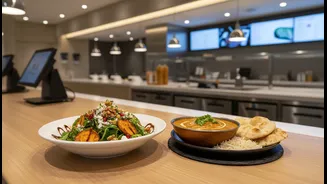
The idea of idli as a fast-food item isn't just theoretical. Across the country, chains and standalone outlets are already proving its viability. Brands like Idli Street, Mr. Idli, and Idli Point are expanding through franchise models, testament to the concept's scalability. These restaurants are moving beyond the traditional Udupi-style format, adopting modern QSR approaches with standardized operations, all-day menus, and even targeting non-traditional locations like malls and corporate food courts. Some are positioning themselves as contemporary brands with a casual, modern vibe to attract a younger demographic. For example, Pune-based 'We Idliwale' combines its signature dishes with rock music and a casual setting to differentiate itself from traditional South Indian eateries.
Innovating Beyond the Basics
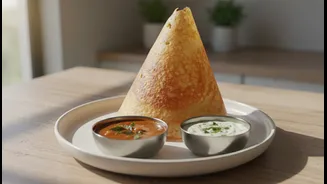
For idli to truly become a national QSR star, it needs to be more than just a breakfast item. Innovation is key, and brands are stepping up. The core product is being reimagined in dozens of ways to appeal to a wider audience and different meal times. We are seeing everything from stuffed idlis with paneer or vegetable fillings to 'Chilli Idli' stir-fried in Chinese-style sauces. Other creative variations include mini idlis served as a chaat, podi idlis roasted in ghee and spices, and even idlis made from different grains like bajra or quinoa. This versatility allows QSRs to offer a diverse menu that can compete for lunch, dinner, and snack times, moving idli from a regional morning staple to an all-day national delicacy.
Hurdles on the Path to Stardom
Despite the momentum, the path is not without challenges. One of the biggest hurdles for any QSR chain is maintaining consistent quality across all outlets, which can be particularly tricky with a fermented product like idli batter. Supply chain management for fresh ingredients and consistent batter is a significant operational challenge that requires robust systems. Furthermore, the competition in the Indian QSR space is intense, not just from international giants but also from a huge number of independent restaurants and other regional players. To succeed, idli-based QSRs must not only perfect their operations but also build a strong brand identity that resonates with consumers nationwide, moving perceptions of South Indian food beyond stereotypes.