


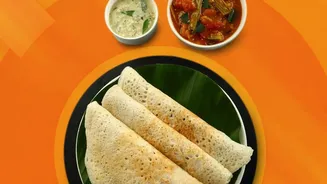

In a world of fast food and fleeting trends, many are finding solace in the kitchen. But it's not about complex new recipes; it's a return to basics, where comfort food from a family cookbook is becoming the surprising hero of daily nutrition.
More Than a Hug in a Bowl
Comfort
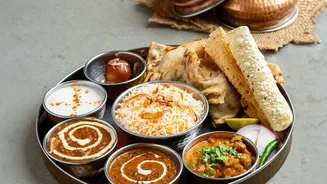
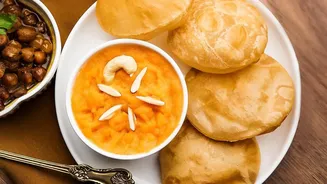
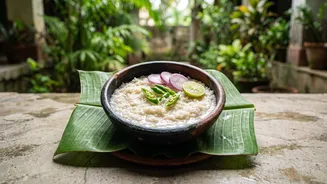
food is often what we've grown up eating, a culinary anchor to our past. For many in India, this means the familiar aroma of a dal tadka, the simple satisfaction of rajma chawal, or the warmth of a vegetable khichdi. These dishes are deeply tied to memories of family and home. In recent years, there has been a noticeable shift away from processed, ready-to-eat meals and back toward the kitchen. This isn't just about nostalgia; it's a conscious choice for authenticity and well-being. Food experts note that when we're feeling overwhelmed, we don't crave a pizza as much as we seek the familiar smells of our childhood kitchen. This emotional connection is a powerful driver, but a new understanding of nutrition is revealing that these sentimental favourites are more than just empty calories; they are often packed with inherent goodness.
The Nutritional Wisdom of Our Grandmothers
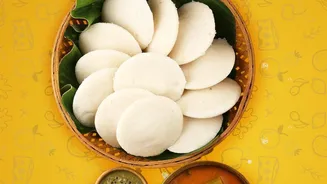
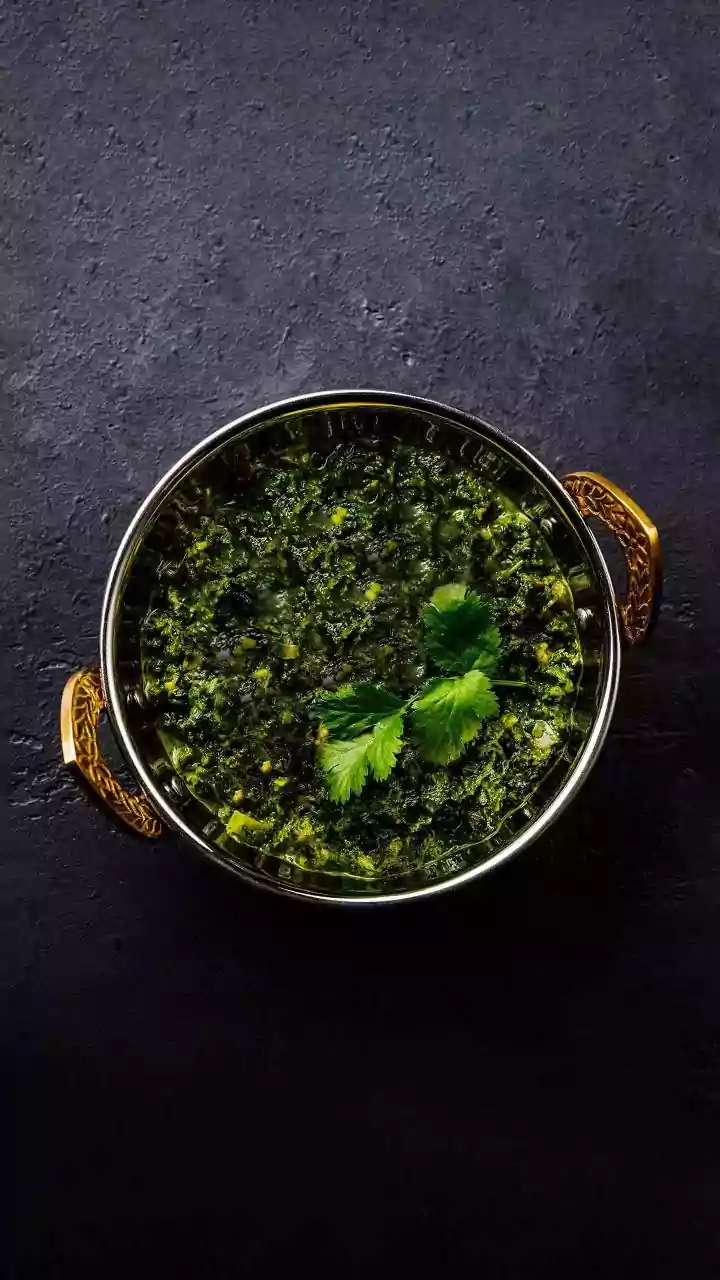
The perception of traditional Indian food as being universally heavy or oily is a misconception. At its core, authentic home cooking is built on principles that modern nutritionists now celebrate. Traditional meals are typically plant-forward, relying on lentils, beans, seasonal vegetables, and whole grains. Dishes like dal, sambhar, and chana masala are rich in plant-based protein and dietary fibre, which aid in digestion and help you feel full for longer. The extensive use of spices like turmeric, ginger, cumin, and coriander isn't just for flavour; these ingredients have anti-inflammatory properties and support gut health. For centuries, Indian kitchens have naturally incorporated practices like fermentation and slow-cooking, which enhance nutrient absorption and digestibility. What we are rediscovering is that these age-old culinary habits form a naturally balanced and functional approach to eating.
A Modern Twist on Classic Flavours
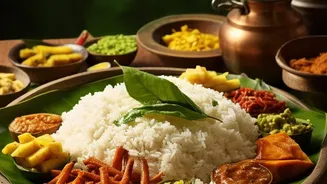
The revival of family recipes doesn't mean a complete rejection of modern health consciousness. Instead, home cooks are intelligently adapting traditional dishes to fit contemporary nutritional goals. This often involves simple but effective modifications. For instance, reducing the amount of oil or ghee, swapping white rice for brown rice or millets, and increasing the quantity and variety of vegetables in a curry. Many are preparing lighter versions of classics like paneer dishes or biryani by controlling portions and using lean proteins. The goal isn't to strip the dish of its identity but to enhance its health profile while preserving the comforting flavours. This hybrid approach allows people to enjoy the emotional satisfaction of cooking a cherished family meal without the guilt, making healthy eating a sustainable and enjoyable practice.
Reconnecting with Heritage, One Meal at a Time
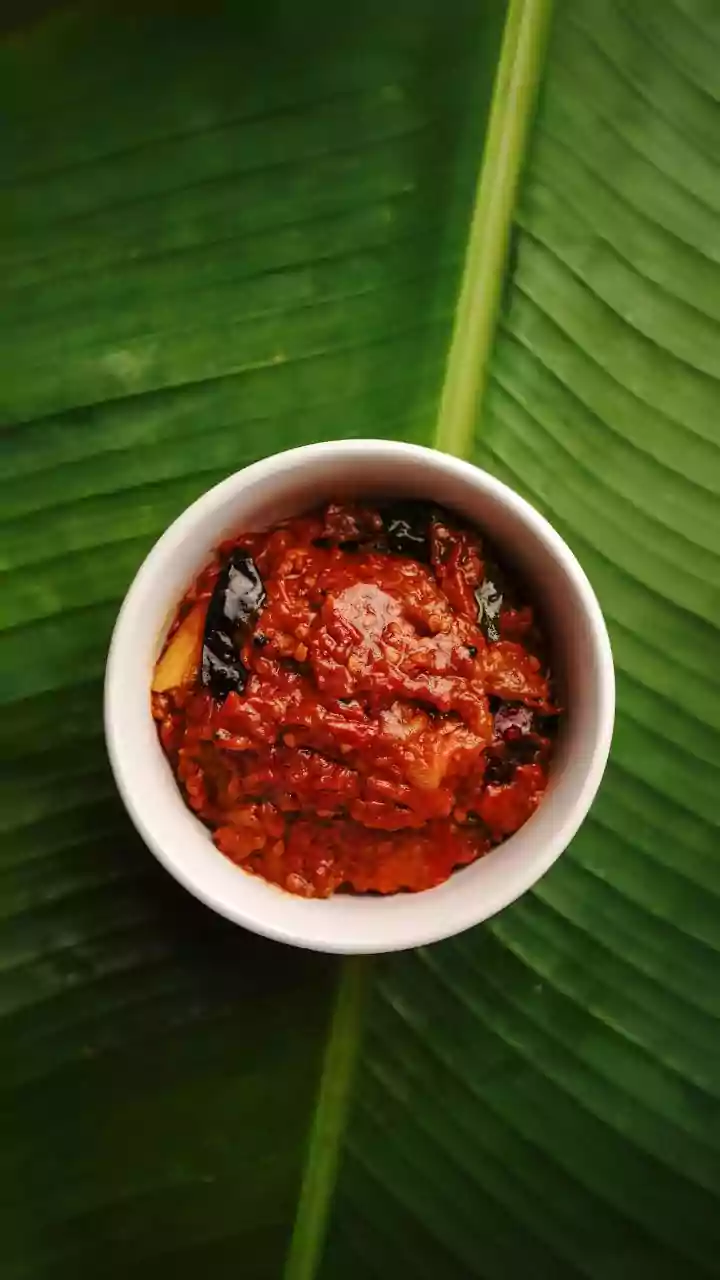
This trend is also about a deeper connection to culture and identity. In many families, recipes are a form of intangible heritage, passed down through generations with stories attached to them. The act of recreating a grandmother's signature dish is a way of keeping her memory and the family's history alive. Chefs and food historians alike note that there is a growing interest in reviving lost or forgotten recipes, particularly those from community and family kitchens rather than royal courts. This movement celebrates regional diversity and the unique culinary traditions of different parts of the country. By choosing to cook these meals, people are not just feeding themselves; they are participating in a larger cultural preservation effort, finding a sense of belonging and meaning that contributes to their overall well being.