






Beyond the GI Tag
In a crowded market, a Geographical Indication (GI) tag is a valuable stamp of authenticity. It tells you that your Darjeeling tea or Bikaneri Bhujia is the real deal, hailing from its specific place of origin. But this tag is only the beginning of the story.
While it protects a product's name and origin, it doesn’t tell you why it's special. A simple label can’t convey the generations of knowledge, the unique mineral composition of the soil, or the specific seasonal cycle that gives a product its soul. In today's experience-driven world, consumers are hungry for more than just a product; they crave connection and authenticity. They want to know the story behind their food, and for regional specialties, that story is everything.
The Language of the Land
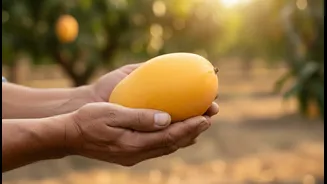
There's a French word that captures this perfectly: terroir (pronounced ter-wahr). It describes the complete natural environment in which a particular food is produced, including factors like the soil, topography, and climate. It’s the reason coffee from the highlands of Chikmagalur has a different flavor profile than beans grown elsewhere, or why Alphonso mangoes from Maharashtra are prized for their unique taste and texture. The soil's mineral content, the amount of rainfall during the monsoon, and the intensity of the summer sun all leave their signature on the final product. This 'taste of place' is impossible to replicate, even if the same variety is grown using identical methods in another location. By ignoring these details, we are missing out on the very essence of what makes regional foods unique.
The Human Element in Every Bite
Equally important is the human story—the growers. When we know the farmer behind the food, a simple transaction becomes a relationship. These are often small-scale farmers, tribal communities, or families who have been cultivating their land for generations, passing down traditional and sustainable farming practices. Think of the farmers in the Western Ghats carefully harvesting wild edibles or the communities in Odisha who prepare Kai Chutney. Their knowledge of the local ecosystem is profound. Sharing their journey—their triumphs, their challenges with unpredictable weather, and their passion for their craft—transforms a commodity into a creation with a human face. Studies have shown that these narratives build an emotional connection, fostering trust and a greater willingness among consumers to support local agriculture.
Why These Stories Must Be Told
Telling these stories is not just a marketing tactic; it is an act of cultural and economic preservation. In a market dominated by standardised, mass-produced goods, authentic storytelling gives small producers a competitive edge. It allows them to command a fair price, build brand loyalty, and sustain their livelihoods. For consumers, it enriches the experience of eating, turning a meal into a journey. It fosters a deeper appreciation for the food on our plate and a greater awareness of the delicate connection between food, nature, and community. As chefs and restaurants increasingly focus on hyperlocal and seasonal menus, the demand for produce with a clear origin story is growing. This is an opportunity to move beyond generic labels and celebrate the true diversity of India’s agricultural heritage.