






Why Green Tea Works for Ferns
The idea of watering plants with tea might sound unusual, but it's rooted in science. Green tea contains several beneficial compounds that can improve soil health and support plant growth. One of its key components is tannic acid. Many popular ferns,
which in their natural woodland habitats grow in soil enriched by decomposing leaves, prefer a slightly acidic soil environment. The tannic acid in green tea can help gently lower the soil's pH, making it more hospitable for these acid-loving plants. This shift in acidity can help unlock essential micronutrients like iron and manganese in the soil, which are crucial for chlorophyll production and giving fronds their rich, green colour. Furthermore, tea leaves are a source of nitrogen, a vital nutrient for lush, leafy growth, along with smaller amounts of phosphorus and potassium.
A Simple Guide to Brewing for Your Plants
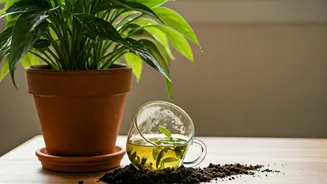
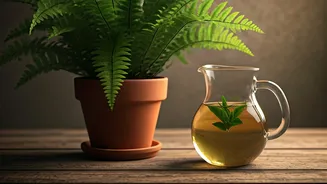
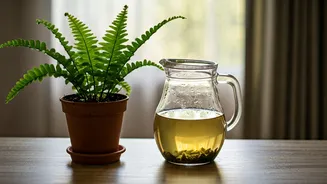
Creating this natural tonic is incredibly straightforward. The goal is to make a weak, unsweetened tea. A good rule of thumb is to use one or two standard green tea bags for every two litres of water. You can simply let the tea bags steep in a jug of water for a few hours or even overnight. Alternatively, you can use the cooled, leftover tea from your morning cup, as long as it has no milk, sugar, or other additives, which can attract pests and promote fungal growth. It is crucial to allow the tea water to cool completely to room temperature before using it on your plants. Applying warm or hot liquid can shock the root system and cause significant damage. The resulting liquid should be a pale, weakly brewed tea, not a dark, concentrated brew.
How and When to Apply Green Tea Water
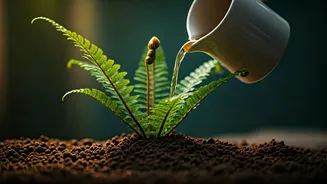
Moderation is key when using green tea on your ferns. Think of it as a supplemental treat rather than a replacement for regular watering or a balanced fertiliser. For most indoor ferns, applying the cooled green tea water once every three to four weeks is a safe frequency. On the designated day, simply use the tea water in place of its regular watering, ensuring you drench the soil thoroughly until water runs from the drainage holes. This approach works well for many common fern varieties, including Boston, maidenhair, and bird's nest ferns. It's generally best to provide this boost during the plant's active growing season, typically in the spring and summer, and reduce or stop during the dormant winter months.
Beyond the Brew: Using Tea Leaves
Liquid fertiliser isn’t the only way to share green tea with your plants. The used tea leaves themselves can also be beneficial. Once cooled, you can open the tea bags (ensuring they are paper and not synthetic) and sprinkle the contents thinly over the surface of the soil. As they decompose, the leaves slowly release nutrients and add organic matter to the soil, which improves aeration and water retention. This mimics the natural process of leaf litter breaking down on a forest floor. You can also add used tea leaves to your compost pile, where they serve as an excellent nitrogen-rich component that accelerates the composting process.
Important Things to Keep in Mind
While beneficial, there are a few potential pitfalls to avoid. The most critical is to never use tea that contains sugar, milk, or artificial flavourings, as these can harm your plant and create an environment for pests and mould. Also, be mindful not to overdo it. Using tea too frequently can lead to an overly acidic soil environment or moisture-retaining surface mulch that could encourage fungal growth. If you notice any adverse effects, such as browning leaf tips or mould on the soil surface, it's best to flush the soil with plain water and discontinue the tea treatment. Always start with a weaker brew and observe how your specific plant responds before making it a regular part of your care routine.