




The Flawless Problem of AI Art
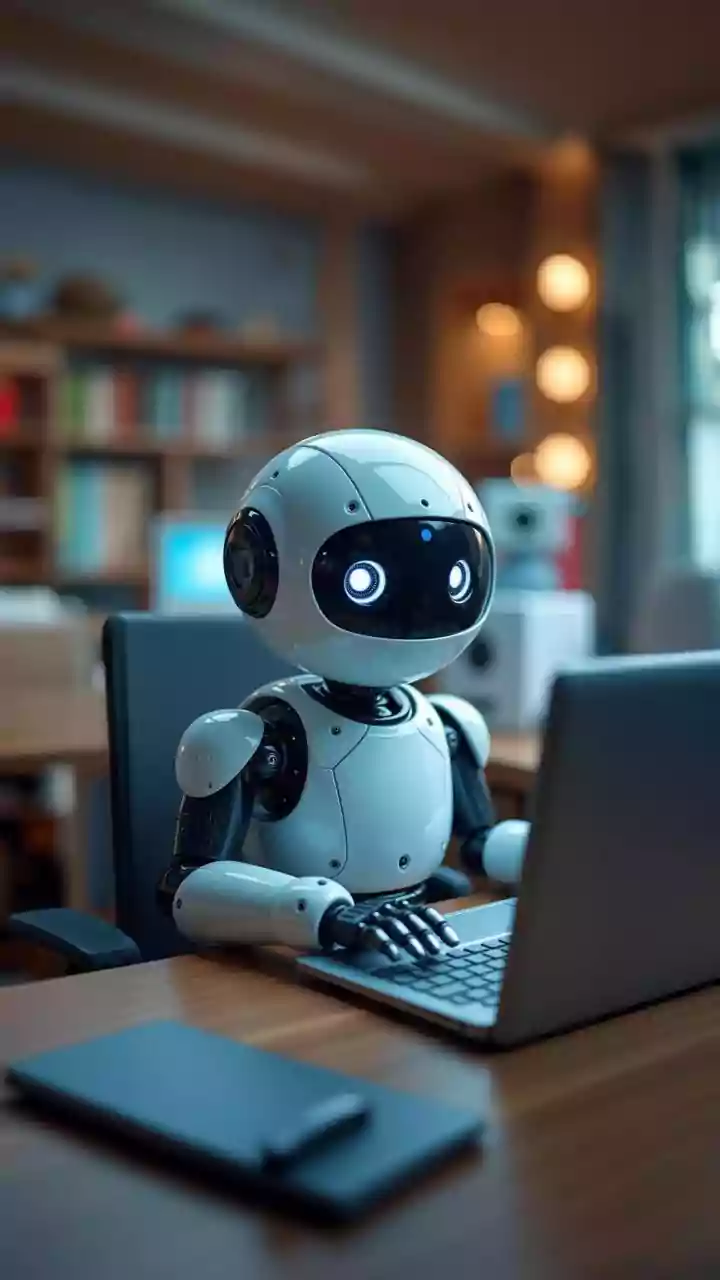
Artificial intelligence art generators like Midjourney, DALL-E, and Stable Diffusion are capable of producing breathtakingly detailed and imaginative visuals. From fantastical landscapes to photorealistic portraits, the technical prowess is undeniable.
Yet, for all their perfection, these images can sometimes lack a crucial element: a soul. They can feel sterile, overly smooth, and mathematically precise, betraying their digital origins. This is what some artists call the “uncanny valley” of digital art—so close to perfect that the tiniest imperfections of real life are glaringly absent, creating a sense of unease or artificiality. The pixels are too clean, the gradients too smooth, and the light too perfect. It’s a digital sheen that, ironically, makes the image feel less real.
Enter the Magic of Film Grain
Before digital sensors, photography was a chemical process. Film was coated with light-sensitive silver halide crystals. When exposed to light, these crystals would clump together to form an image. Film grain is the visible texture of these randomly distributed, microscopic particles. In the past, photographers often tried to minimise grain for a cleaner look. But over time, this subtle, sandy texture became synonymous with the authenticity and warmth of analog photography. It’s the visual signature of a tangible process, a reminder that the image was captured on a physical medium. Grain adds texture, softens hard edges, and introduces a pleasing, organic randomness that our eyes associate with classic cinema and vintage photographs. It feels nostalgic, human, and imperfect in the best way possible.
Bridging the Digital and Analog Worlds
This is where the trend of adding fake film grain to AI art comes in. It’s a deliberate act of post-processing, where an artist takes a clinically perfect AI-generated image and intentionally degrades it. By overlaying a layer of simulated film grain, they are breaking the digital perfection. This simple addition does several things at once. First, it introduces texture and depth, making the flat digital image feel more tactile. Second, it masks minor AI artifacts or weirdly smooth surfaces, helping to blend disparate elements more cohesively. Most importantly, it injects a sense of history and emotion. The grain acts as a psychological cue, tricking our brains into viewing the image not as a computer’s output, but as a long-lost photograph or a still from a vintage film. It’s about making the fake feel more authentic.
How Is It Done?
The process is surprisingly straightforward for anyone familiar with basic photo editing. Artists typically generate their base image using an AI tool. Then, they import that image into software like Adobe Photoshop, Lightroom, or free alternatives like GIMP. From there, they can use built-in filters to add “noise” or “grain.” Many editors offer precise controls, allowing them to adjust the size, roughness, and intensity of the grain to mimic specific film stocks, like the gritty feel of a high-ISO black-and-white film or the subtle texture of a Kodak Portra 400. Another popular method is using grain overlays—pre-made image files of real film grain that are layered on top of the AI artwork with a blending mode like “Overlay” or “Soft Light.” This method is often favoured for its realism, as it uses textures scanned from actual film.
A Craving for Imperfection
This trend isn't happening in a vacuum. It’s part of a larger cultural pushback against an overly slick, digitised world. It’s the same impulse that drives the resurgence of vinyl records, the popularity of retro-style video games, and the use of vintage filters on social media. In an age where technology can create flawless facsimiles of reality, we find ourselves craving the warmth of imperfection. Adding film grain to AI art is more than just an aesthetic choice; it’s a statement. It’s a way for human creators to assert their artistic sensibilities over the machine. They are using the tool, but then re-humanising its output, reminding us that art isn't just about perfect execution—it's about feeling, texture, and a story. It’s about finding the soul in the machine, even if you have to add it in yourself.