






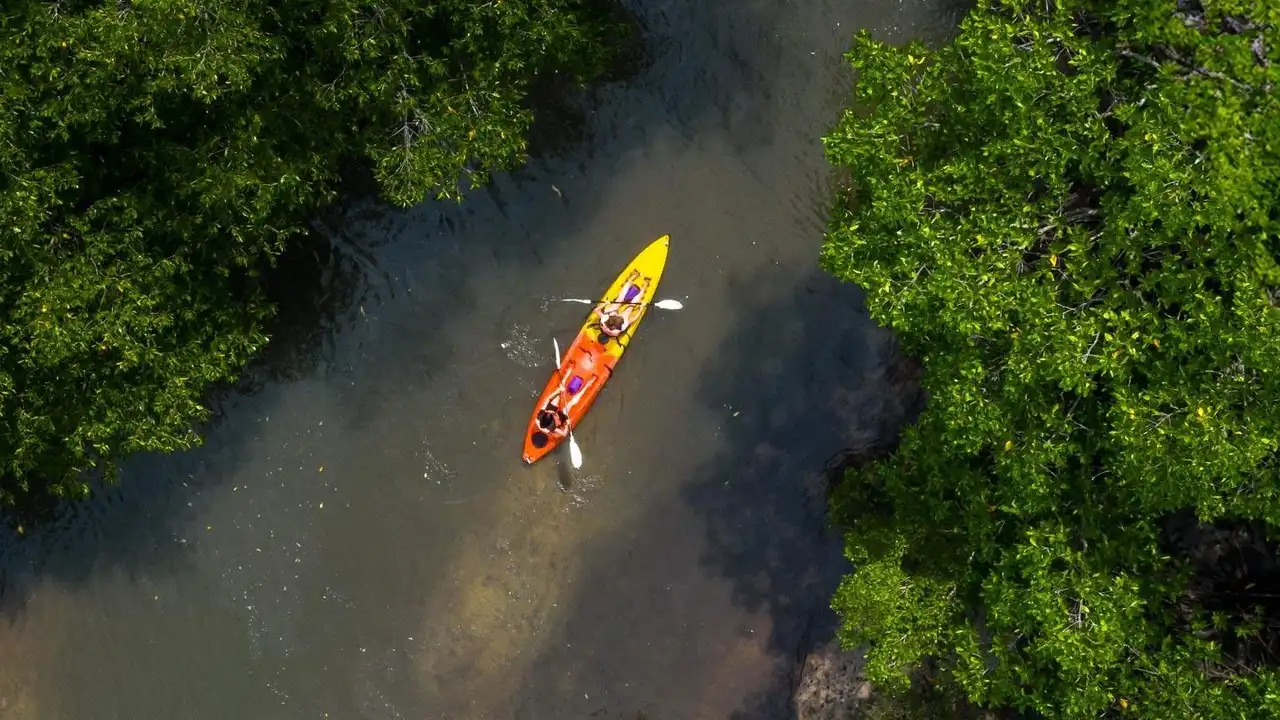


The Allure of the Monsoon
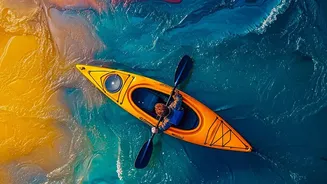
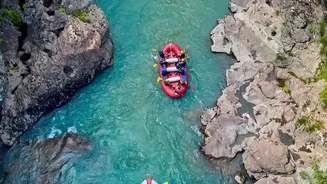
While many seek shelter from the torrential downpour in one of the wettest places on earth, extreme kayakers eagerly await its arrival. The monsoon season, often seen as a deterrent for most tourism, creates the perfect conditions for high-adrenaline
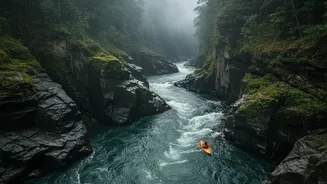
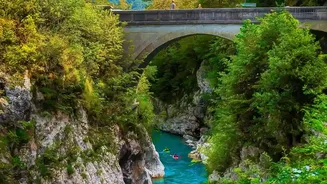
paddling. Rivers like the Kynshi, Umtrew, and Kopili transform, with water levels rising to create powerful, challenging rapids that attract enthusiasts from around the globe. These are not gentle floats; they are demanding descents through dramatic gorges and lush, remote jungles, offering a unique blend of raw nature and extreme sport. The allure lies in navigating rivers when they are at their most powerful and unpredictable, a challenge that demands nothing less than total preparation.
Forging a Resilient Body
The physical preparation for Meghalaya's monsoon season is a year-round commitment. Kayakers focus on building a body that can withstand immense strain and deliver explosive power when needed. Training regimens are comprehensive, targeting core strength, upper body endurance, and cardiovascular fitness. Core exercises like planks are crucial, as a strong core is the engine for boat control and powerful paddle strokes. Strength training involves exercises like pull-ups, bent-over rows, and chest presses to build the muscles in the back, shoulders, and chest integral to paddling. This is supplemented with high-intensity interval training (HIIT)—such as sprints—to improve the body's ability to handle the short, anaerobic bursts of energy required to navigate turbulent rapids.
Gear as a Lifeline
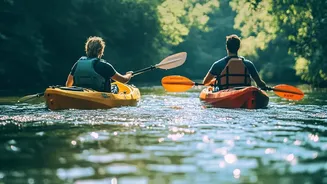
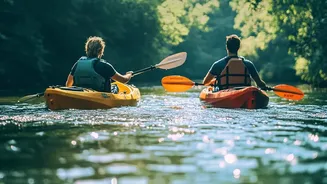
In the world of extreme whitewater, your gear is not just equipment; it's your lifeline. For the powerful rivers of Meghalaya, enthusiasts use specialised whitewater kayaks, typically creek boats, which are designed for stability and responsiveness in challenging conditions. Safety is paramount, and the non-negotiable items include a helmet specifically designed for whitewater impact, a personal flotation device (PFD) or life vest, and a reliable paddle. Many also carry a throw bag, a river knife, and a basic repair kit. Given the remoteness of many runs, kayakers must be self-sufficient. Expert paddlers exploring Meghalaya's interior rivers often bring all their own equipment, as rental options are limited for such advanced expeditions.
The Mental Game
Paddling a Class V rapid is as much a mental challenge as it is a physical one. The ability to remain calm and focused when surrounded by chaos is a skill cultivated through rigorous mental training. Experienced kayakers practice visualisation, mentally rehearsing their lines through a rapid before they even enter the water. Breathing techniques are essential for managing fear and keeping the heart rate under control, because while fear is a healthy response, panic is a liability. This mental fortitude allows paddlers to make split-second decisions, assess risks accurately, and trust their skills and gear in high-stakes situations. The goal is to achieve a state of focused calm, allowing for precise execution when it matters most.
The Wisdom of the River
Perhaps the most crucial element of preparation is acknowledging and respecting local knowledge. Meghalaya's rivers are dynamic, with channels and hazards that can shift dramatically from one monsoon season to the next. Visiting kayakers rely heavily on the expertise of local guides and communities who possess an intimate understanding of the rivers' behaviours. They know the safe entry and exit points, understand how a sudden downpour can exponentially increase a river's force, and hold generations of wisdom about navigating these powerful waters. This collaboration is key to a successful and safe expedition, blending technical skill with a deep respect for the environment and its inhabitants.