



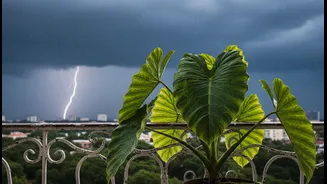


The Monsoon Dilemma for Plants
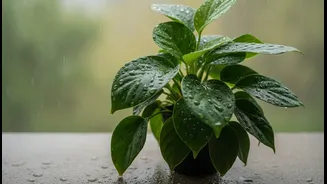
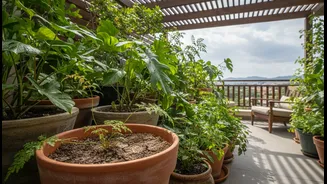
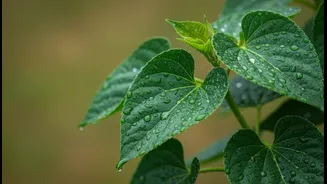
During the rainy season, the environment inside our homes changes dramatically. Cloudy skies mean less direct sunlight, while high humidity means the air is heavy with moisture. This combination creates a unique challenge for indoor plants. The soil in pots
dries out much more slowly than it does in the dry summer months. At the same time, plants are photosynthesizing less due to lower light levels, meaning they are using less water to begin with. This sets the stage for the single most common cause of houseplant demise: overwatering. The instinct to solve the low-light problem first is understandable, but addressing water is far more critical for survival.
Why Water Is the Bigger Enemy
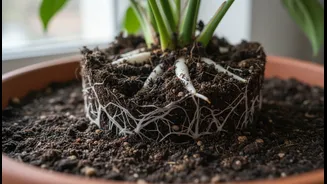
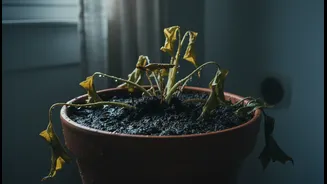
When soil remains constantly wet, it becomes waterlogged, and the air pockets that roots need to breathe disappear. This suffocates the roots, leading to a condition called root rot. Damaged or rotting roots can no longer absorb water and nutrients, which, ironically, can make an overwatered plant look wilted and thirsty. Signs of overwatering include yellowing leaves that feel soft (not crispy), mould on the soil surface, a musty smell, and pests like fungus gnats that breed in damp conditions. High humidity also creates a perfect environment for fungal diseases to thrive on wet leaves and stems. It is much easier to save a plant that is slightly too dry than one suffering from extensive root rot.
The Truth About Reduced Light
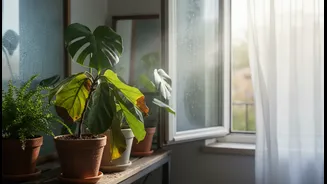
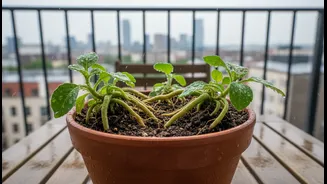
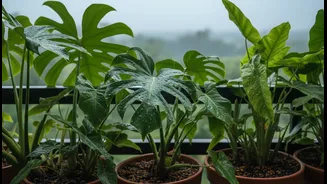
Most common houseplants are native to tropical understories where they are adapted to dappled, indirect light. While they may not grow as vigorously during the monsoon's darker days, they can generally tolerate a temporary reduction in light far better than they can tolerate waterlogged roots. Low light might cause slower growth, smaller leaves, or less vibrant variegation, but it rarely kills a plant outright. In contrast, root rot is often fatal if not caught very early. Chasing the limited sunlight by constantly moving plants can also stress them. The priority during these months is survival and maintenance, not necessarily rapid growth.
Your Monsoon Plant Care Checklist
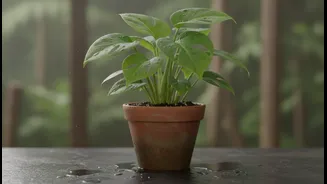
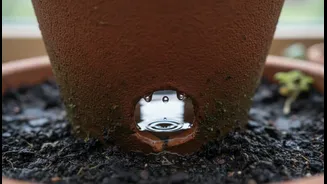
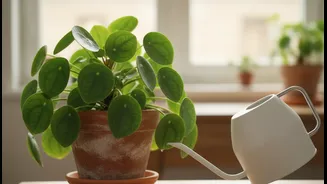
Forget your summer watering schedule. The golden rule for the monsoon is to check the soil before you even think about watering. Stick your finger about an inch or two into the soil; if it feels moist, wait. Water only when the top layer is dry to the touch. Ensure every pot has drainage holes to let excess water escape, and empty any saucer or cachepot that collects water. When you do water, do so in the morning to allow any excess moisture to evaporate during the day, and direct the water at the soil, not the leaves, to discourage fungal growth. For plants that are particularly sensitive to wet conditions, like succulents, you might only need to water them once every few weeks.
Beyond Water: Airflow and Pests
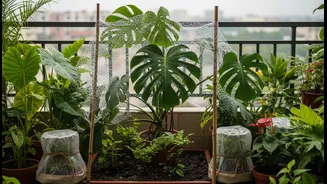
Good air circulation is your next best friend during the monsoon. Stagnant, humid air can contribute to fungal problems. If possible, space your plants out to improve airflow or use a small fan in the room for a few hours a day. This helps both the soil and the leaves dry more effectively. Keep an eye out for common rainy season pests like mealybugs, which thrive in humid conditions, and fungus gnats in the soil. Wiping down leaves with a simple neem oil solution every couple of weeks can help prevent both pests and fungal issues. Removing any dead or decaying leaves promptly also reduces the risk of disease spreading.