



The Foundation: Dals and Legumes
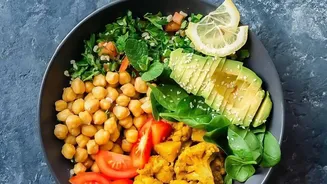
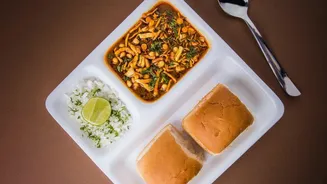
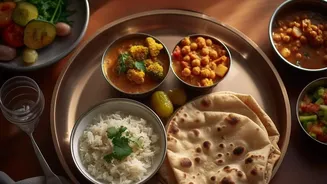
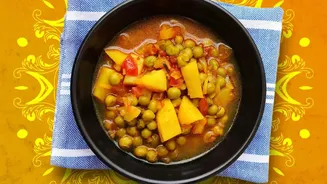
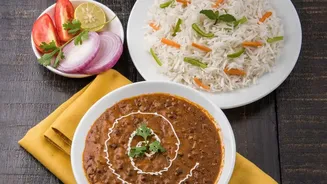
Lentils and legumes are the heart of Indian cuisine and are fibre powerhouses. Dals like masoor, toor, and moong are not only packed with protein but also soluble fibre, which helps in managing blood sugar and cholesterol levels. A single cup of cooked
rajma (kidney beans) or chana (chickpeas) can provide a significant portion of your daily fibre needs. Whole pulses, such as whole moong or black urad, generally contain more fibre than their split and husked counterparts. Incorporating a bowl of dal into both lunch and dinner is one of the easiest ways to increase your fibre intake. You can also use them to make soups, salads, and savoury pancakes like moong dal chilla.
Go with Whole Grains
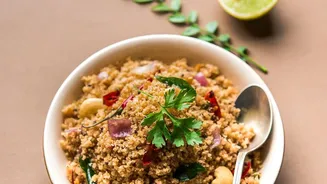
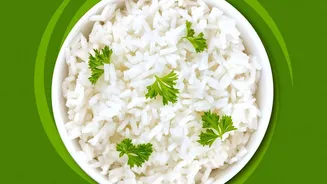
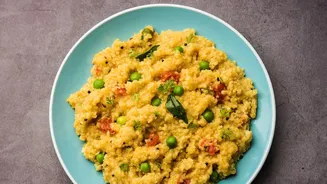
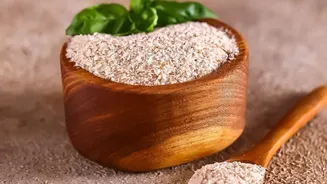
Many modern diets rely on refined grains like white rice and maida, which are stripped of their natural fibre. Making a simple switch to whole grains can make a huge difference. Instead of white rice for every meal, try incorporating brown rice or traditional millets like jowar (sorghum), bajra (pearl millet), and ragi (finger millet). These can be used to make rotis, bhakris, or even khichdi. Whole wheat atta is another excellent and affordable choice for daily chapatis, retaining much more fibre than refined flour. Even oats, which have become a breakfast staple, are great for making upma or chilla for a fibre-rich start to the day.
The Humble Power of Vegetables
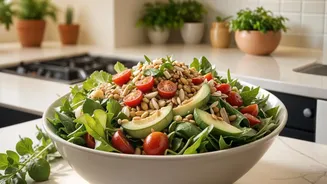
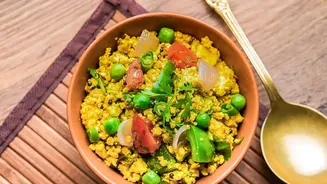
Vegetables are a core component of a high-fibre diet. Fortunately, many common and inexpensive Indian vegetables are excellent sources. Leafy greens like spinach (palak) and fenugreek (methi) are full of insoluble fibre, which aids digestion. Other readily available options include okra (bhindi), bottle gourd (lauki), beans, carrots, and sweet potatoes. Green peas (matar) are particularly high in fibre and can be easily added to pulao, curries, or poha. The key is to fill at least half your plate with vegetables at every meal and to cook them in ways that retain their goodness, such as steaming or light sautéing.
Don't Forget Fruits
Fruits are a delicious way to get more fibre, especially when eaten whole rather than juiced. Guava is one of the most fibre-rich fruits available in India, particularly when eaten with its skin and seeds. Bananas, apples (with the skin on), papayas, and pears are also excellent and widely available choices. They serve as a perfect natural snack between meals, helping you feel full and avoid processed, low-fibre options. Aiming for one to two whole fruits a day is a simple and effective strategy.
A Sprinkle of Seeds
Nuts and seeds are incredibly nutrient-dense, and a small amount can add a substantial fibre boost to your diet. Flaxseeds (alsi) and chia seeds have become popular for good reason; just a tablespoon can add a few extra grams of fibre to your day. You can sprinkle them over curd, blend them into smoothies, or add them to your oatmeal. Even traditional seeds like sesame (til) are a good source. For a crunchy, high-fibre snack, roasted chana (chickpeas) is a fantastic and affordable alternative to packaged snacks.