






Why Weather Is Driving Up Your Food Bill
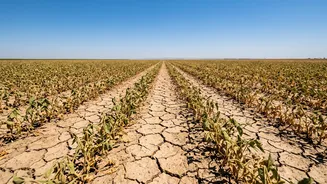
India's food prices are facing pressure from a weak and uneven monsoon season. As of late August 2026, rainfall during the southwest monsoon was significantly below the long-period average, creating widespread dry conditions. This directly impacts how
much farmers can plant and the final yield of essential kharif crops like rice, coarse cereals, and pulses. The sowing of rice and cereals was already tracking lower than the previous year, signaling a potential tightening of supply. This situation is further complicated by low water levels in reservoirs, which are crucial for irrigation later in the year. The result is a direct hit to your wallet, with food and beverage inflation showing an increase. Experts note this pressure is likely to continue as the full effects of the weak harvest reach markets.
Plan Your Meals and Master Your List
The most effective strategy to combat rising costs begins before you even leave the house. Spending just 20-30 minutes each week to plan your meals can drastically reduce impulse buys, which are a primary cause of overspending. Create a detailed shopping list based on your meal plan and, most importantly, stick to it. Before making the list, do a quick inventory of your pantry and fridge to avoid purchasing items you already have. This simple discipline prevents you from falling for supermarket tactics designed to make you buy more and helps cut down on food waste, which is like throwing money away.
Embrace Seasonal and Local Produce
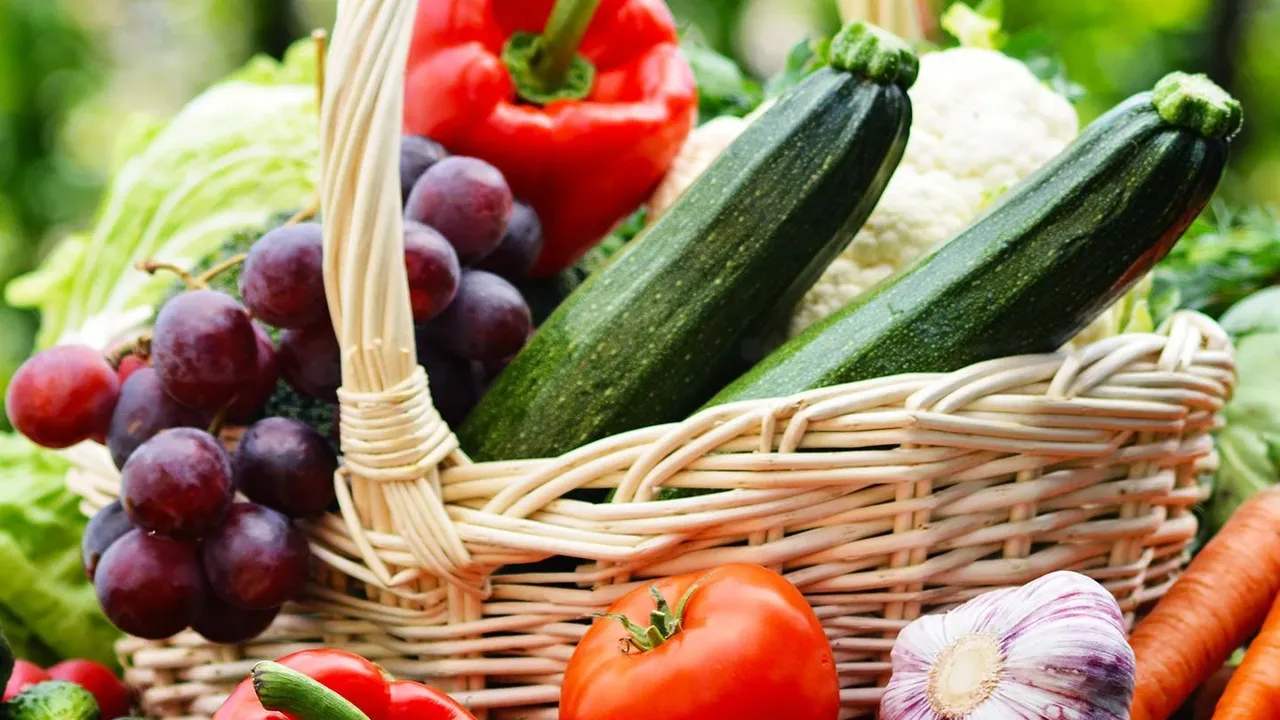
Shopping with the seasons is a powerful way to save. Fruits and vegetables that are in season are more abundant, which makes them fresher, more nutritious, and significantly cheaper. For example, tomatoes can be a fraction of the price when they are in season compared to when they are not. Building your weekly meal plan around seasonal produce ensures you get the best value. Visiting your local sabzi mandi or farmers' market can often provide better prices and fresher goods than large supermarkets, while also supporting local growers.
Buy in Bulk, But Do It Smartly
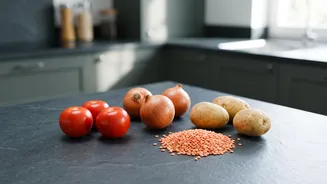
For non-perishable items that you use regularly, buying in bulk can offer significant savings. Staples like rice, atta (flour), dals (pulses), and cooking oil are often cheaper per kilogram when purchased in larger quantities. However, this strategy requires caution. Only buy in bulk what you are certain you will use before it expires. It's a waste of money if that giant bag of lentils sits in your pantry for months. For larger households, bulk buying is a clear winner, but even smaller families can benefit by sharing bulk purchases with neighbours or friends.
Reduce Waste with Smart Storage
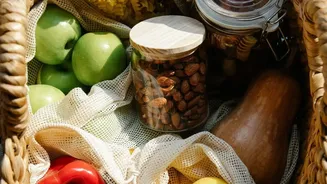
Every vegetable that wilts and every bit of leftover that gets thrown out is a loss of money. Proper food storage is key to extending the life of your groceries. Learn the best ways to store different items: keep potatoes and onions in a cool, dark place; store leafy greens with a paper towel to absorb excess moisture; and use your freezer for everything from bread to bulk-cooked meals. Cooking larger batches of curries or dals and freezing portions for later in the week not only saves money but also time, reducing the temptation to order expensive takeout on busy nights.
Consider Store Brands and Alternatives
Many shoppers are loyal to specific brands, but supermarket-owned or private-label brands often offer similar quality for a lower price. For items like salt, sugar, basic spices, and cleaning supplies, the quality difference is often negligible, but the savings can be substantial—anywhere from 10-20%. Additionally, be flexible with your cooking. If the price of one type of dal or vegetable has shot up, be willing to substitute it with a more affordable alternative. This flexibility allows you to adapt to market price fluctuations without overhauling your diet.