






Vitamins are essential for our health, but not all are created equal. Their most basic classification—water-soluble versus fat-soluble—changes everything about how your body uses them. Understanding this distinction is key to better nutrition.
The Two Vitamin Teams
Vitamins
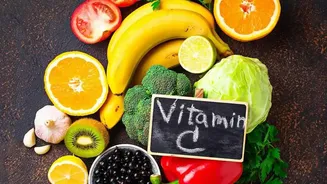
are categorised based on how they dissolve. As the names suggest, water-soluble vitamins dissolve in water, while fat-soluble vitamins dissolve in fats and oils. This fundamental chemical property dictates how they are absorbed, transported, stored, and excreted by your body. The water-soluble team includes Vitamin C and the eight B-complex vitamins (like Thiamine, Riboflavin, and Folate). The fat-soluble team is a quartet: Vitamins A, D, E, and K.
Absorption: A Different Path
Water-soluble vitamins have a straightforward journey. Because they dissolve in water, they are absorbed directly from the small intestine into the bloodstream. Since your blood is mostly water, they can travel freely to wherever they are needed. Fat-soluble vitamins have a more complex process. They require dietary fat and bile (a digestive fluid) to be absorbed. They are packaged into particles called micelles and then chylomicrons, which enter the lymphatic system before finally making their way into the bloodstream. This means you need to eat some fat with your meal to properly absorb these vitamins.
Storage: The 'Stay or Go' Policy
The most significant difference lies in storage. Your body doesn't really store water-soluble vitamins for long (with the main exception of Vitamin B12, which the liver can hold onto). When you take in more than you need, the excess is typically filtered by the kidneys and flushed out in your urine. This is why you need a continuous, daily supply of these vitamins through your diet. In contrast, fat-soluble vitamins are stored for the long haul. Your body saves any excess in your fatty tissues and liver, creating a reserve that can last for days or even months.
The Risk of Too Much
Because your body excretes excess water-soluble vitamins, it's difficult to reach toxic levels from food alone. While extremely high doses from supplements can cause issues, the risk is relatively low. However, the storage capacity for fat-soluble vitamins means that they can build up in your body and reach toxic levels, a condition known as hypervitaminosis. This is very rare from diet alone but can be a concern with high-dose supplementation, particularly of vitamins A and D. Symptoms of toxicity can range from nausea and headaches to more severe issues like liver damage and bone problems.
Making It Practical
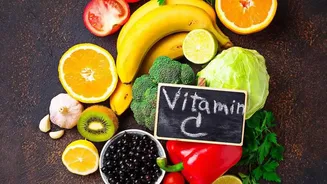
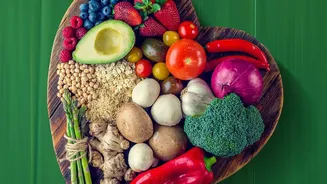
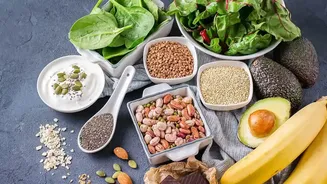
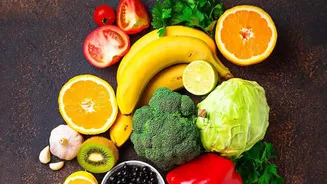
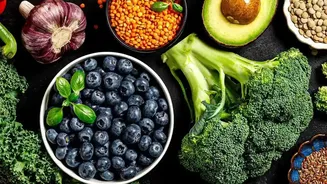
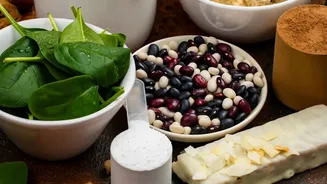
So what does this all mean for your plate? For water-soluble vitamins (found in fruits, vegetables, and grains), focus on consistent daily intake. Since they can be lost in cooking water, steaming or roasting can be better than boiling. For fat-soluble vitamins—found in foods like fatty fish, eggs, nuts, seeds, and leafy greens—remember to pair them with a healthy source of fat to boost absorption. A drizzle of olive oil on your salad or eating avocado with your eggs isn't just for taste; it helps you get the most out of your food. A balanced diet generally provides all the vitamins you need without much fuss.