





The Wild Heart of the Dang
The 'Dang' region of Rajasthan, encompassing districts like Karauli and Sawai Madhopur, is a unique landscape where the Aravalli and Vindhyan hill ranges meet. This is not the Rajasthan of sweeping sand dunes, but a terrain of rugged hills, deep ravines,
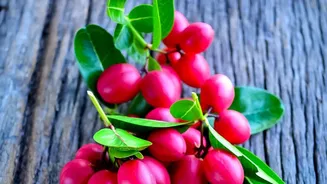
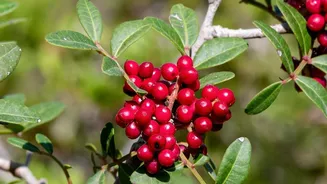
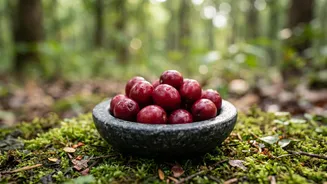
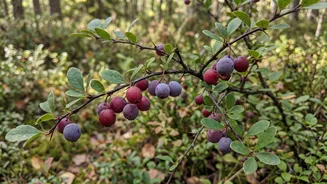
and dry deciduous forests. The area, historically known for being difficult to cultivate, is a reservoir of natural biodiversity. It is within this untamed environment, specifically in the forests around Karauli, that the wild beri, or 'Jharberi' (Ziziphus nummularia), thrives. This small, hardy shrub produces a tiny, reddish-brown fruit that is both sweet and acidic, a favourite of locals and wildlife alike. Unlike its cultivated cousins, this wild jujube is a true survivor, its existence deeply woven into the forest's ecology.
A Forest of Faith
The Karauli Dang forest is not just a geographical entity; it is a spiritual one. Much of this sacred identity is tied to the Kaila Devi Temple, a major Shakti shrine located about 23 km from Karauli town. Nestled on the banks of the Kalisil River, the temple draws millions of pilgrims, especially during the annual Chaitra fair. The temple and its surrounding area, which includes the Kaila Devi Wildlife Sanctuary, are considered a 'sacred grove'—a space where nature is protected through religious belief. In these venerated forests, the connection between the ecosystem and divinity is palpable, and the wild beri plays a central role in this relationship.
The Goddess and the Sacred Fruit
Local belief and folklore have forged a powerful link between Kaila Devi and the wild beri. The goddess, considered a manifestation of Mahalakshmi and the protector deity of the Karauli royals, is believed to hold the fruit dear. One of the most enduring stories involves the goddess appearing to a sage, promising her presence in the region. This divine connection extends to the natural bounty of the land. The 'ber' fruit has a long history in Indian mythology, most famously in the Ramayana, where a devoted Shabari offers fruits she has tasted to Lord Rama to ensure their sweetness. Similarly, the fruit is a known offering to Lord Shiva. In Karauli, this tradition is alive and well, with the wild beri becoming a key offering for pilgrims visiting Kaila Devi.
An Offering of Devotion
For devotees trekking to the Kaila Devi temple, the journey is as important as the destination. Many undertake the pilgrimage on foot, and some perform the arduous 'Kanak-Dandoti', covering long distances by prostrating themselves on the ground as a sign of absolute faith. Along these paths, the wild beri shrubs grow in abundance. Pilgrims often collect these berries to present at the shrine. The offering is not one of material wealth, but of something pure and wild, taken directly from the sacred land the goddess protects. This simple act reinforces the bond between the devotee, the deity, and the environment, turning a simple fruit into a powerful symbol of faith, gratitude, and a request for blessings.
More Than a Fruit: A Cultural Keystone
The significance of the wild beri in Karauli illustrates how culture and nature can sustain each other. The religious importance of the Kaila Devi sanctuary has helped preserve the forest and its flora, including the Jharberi. This, in turn, ensures that the traditions associated with it can continue. The fruit is a source of nutrition, a component of local ecology, and a sacred object. It represents a form of traditional ecological knowledge, where spiritual beliefs lead to sound conservation practices. In a world where such connections are increasingly fragile, the story of Karauli's wild beri is a reminder of the deep, intertwining roots of faith and forest, culture and conservation.