
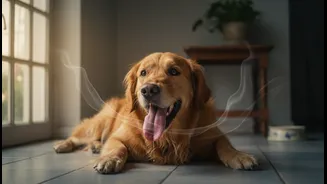


The Unique Danger of Humidity
High humidity poses a specific threat to pets that dry heat does not. Dogs and cats cool down primarily through panting, which relies on the evaporation of moisture from their tongues and respiratory tracts. When the air is already saturated with moisture,
this evaporation process becomes inefficient. Their primary cooling mechanism fails, causing their body temperature to rise quickly, even when they are indoors and out of direct sun. Pets with flat faces, like Pugs and Persian cats, as well as those who are elderly, overweight, or have thick coats, are at an even higher risk in humid conditions.
Verify: Look for These Key Signs
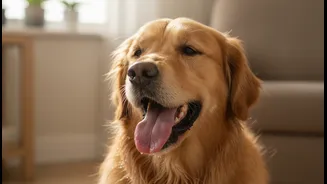
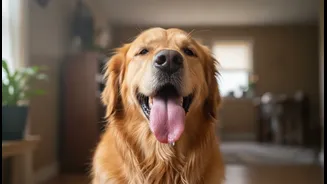
Before you act, a calm assessment is critical. Go beyond obvious heavy panting and look for a cluster of symptoms. Early signs of heat stress include excessive drooling that may be thick or sticky, restlessness, and gums that appear bright red. In cats, early signs can be more subtle, such as open-mouth breathing or frantic grooming. As the situation worsens, your pet may become weak, lethargic, or unsteady on their feet. Other serious warning signs include vomiting, diarrhea, confusion, and glazed eyes. A body temperature above 104°F is a clear indicator of heatstroke.
Immediate First-Aid Actions
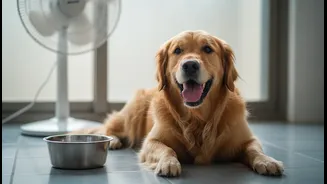
If you've verified the signs of overheating, your first goal is to begin the cooling process immediately and safely. Move your pet to the coolest part of your home, preferably a room with air conditioning or a fan. Apply cool, room-temperature water to their body. Focus on their paws, neck, abdomen, and the inner thighs where major blood vessels are close to the surface. You can use a hose, a shower, or simply wet towels. It's important to keep the air circulating with a fan to aid evaporative cooling. If your pet is alert, offer small amounts of cool water to drink, but do not force them.
Crucial Steps to Avoid
In a moment of panic, it's easy to make mistakes. Never use ice or ice-cold water to cool an overheating pet. The extreme cold can cause blood vessels to constrict, which traps heat inside the body and can lead to shock. Similarly, do not wrap your pet in wet towels, as this can trap heat instead of allowing it to dissipate. If you use towels, place them under your pet or continuously replace them every few minutes. Finally, never try to force a disoriented or struggling pet to drink water, as it could lead to choking.
When to Call the Vet Immediately
While first aid is vital, some situations require immediate professional intervention. You should head to the nearest emergency veterinarian if your pet collapses, loses consciousness, has a seizure, or experiences uncontrollable vomiting or diarrhea. Other critical signs include gums that look pale, blue, or gray, or if your pet seems disoriented and doesn't respond to your voice. Even if your pet seems to improve with at-home cooling, it's always safest to call your vet for advice. Internal organ damage can occur without obvious outward signs.
Prevention in a Humid Home
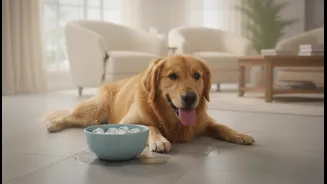
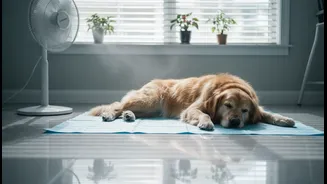
The best strategy is prevention. On humid days, ensure your home has good air circulation using fans or air conditioning. Dehumidifiers can also help make the environment more comfortable. Always provide multiple sources of fresh, cool water, and consider adding a few ice cubes to their bowl. Cooling mats provide a comfortable spot for pets to lie down. Avoid strenuous indoor play during the hottest, most humid parts of the day. Regular grooming to remove excess fur can also help your pet stay cooler, but consult a vet before shaving a double-coated breed.