








The Agony of the Study Slump
Exam season in India is a marathon of mental and physical endurance. Students often spend eight, ten, or even twelve hours a day sitting, reading, and writing. This prolonged sedentary posture leads to a specific kind of physical exhaustion. The shoulders
slump forward, the back develops a dull ache, and the neck becomes stiff. [8] This physical discomfort directly impacts concentration and memory retention. [15] The body and mind are intrinsically linked; when the body is tired and sore, the mind struggles to stay sharp, focused, and calm. This creates a vicious cycle of fatigue and reduced productivity precisely when students need to be at their peak performance.
Enter Bhujangasana: The Cobra Pose
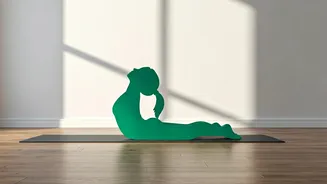
Enter Bhujangasana, or the Cobra Pose, a gentle backbend that serves as a powerful antidote to study-induced fatigue. [2] The name comes from the Sanskrit word 'bhujanga', meaning snake or cobra, as the posture resembles a cobra raising its hood. [20] This classic yoga asana is celebrated for its ability to counteract the effects of long hours of sitting. [2] It stretches muscles that become tight and compressed—primarily the chest, shoulders, and abdomen—while strengthening the back. [8] By opening up the chest, it improves lung capacity and allows for deeper breathing, which in turn enhances blood circulation and oxygen supply throughout the body, providing a natural energy boost. [1, 8]
A Step-by-Step Guide to Cobra Pose
Performing Bhujangasana correctly is key to reaping its benefits and avoiding strain. Follow these simple steps for a safe and effective pose: 1. Lie flat on your stomach on a comfortable surface, with your toes pointed straight back. 2. Place your palms flat on the floor directly under your shoulders, keeping your elbows tucked in close to your body. [21] 3. Press the tops of your feet and your pubic bone firmly into the floor. This is a crucial step to protect your lower back. [21] 4. As you inhale, begin to lift your head, chest, and upper abdomen off the floor. Use your back muscles to initiate the lift, with your hands providing gentle support. [14] 5. Keep your shoulders relaxed and down, away from your ears. Avoid locking your elbows. Lift only as high as is comfortable without straining your lower back. Your navel should ideally remain close to the floor. [20] 6. Hold the pose for 15 to 30 seconds, breathing evenly and calmly. [21] 7. To release, exhale slowly and lower your body back to the starting position. It's best to practise this on an empty stomach, perhaps 4-5 hours after a meal. [7]
Safety and Common Mistakes
While Bhujangasana is highly beneficial, it's important to practise with awareness. A common mistake is to push up too high using only arm strength, which can crunch the lower back. [14] Always lead with your chest and use your back muscles. Also, avoid tensing your shoulders up towards your ears. [1] Individuals with severe back injuries, carpal tunnel syndrome, recent abdominal surgeries, or those who are pregnant should avoid this pose or consult a qualified yoga instructor for modifications. [20, 22] Listening to your body is paramount; the stretch should feel invigorating, not painful.
Create a 5-Minute Mindful Study Break
Cobra Pose is even more effective when paired with other simple movements. Instead of scrolling through your phone during a study break, try this quick 5-minute yoga sequence to reset your body and mind: 1. Cat-Cow Stretch (Marjaryasana-Bitilasana): Start on your hands and knees. Inhale as you drop your belly and look up (Cow), and exhale as you round your spine and look towards your navel (Cat). Repeat 5-8 times to warm up the spine. [16] 2. Cobra Pose (Bhujangasana): Perform as described above, holding for 3-5 deep breaths. 3. Child’s Pose (Balasana): From all fours, sit back on your heels and fold forward, resting your forehead on the floor. This provides a gentle counter-stretch to the backbend and calms the nervous system. Rest here for 5-8 breaths. [10] This short sequence releases tension, improves blood flow to the brain, and calms the mind, making you better prepared to absorb your study material. [9, 15]