








The National Epicentre
Each year, the heart of the celebration beats in a different Indian city, with the Prime Minister leading the main event. This symbolic choice often highlights a region's cultural significance or strategic importance. This year, all eyes will be on Srinagar,
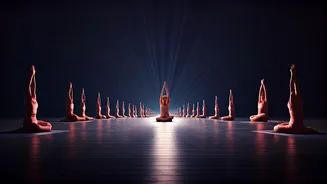
where the main demonstration will take place on the picturesque banks of Dal Lake. The selection of this venue is a powerful statement, aiming to integrate the region into the national cultural mainstream and showcase its serene beauty to the world. The event will see thousands of participants, including students, government officials, and citizens, performing the Common Yoga Protocol—a 45-minute sequence of asanas designed for accessibility. This high-profile gathering, broadcast live across the nation, sets the tone for countless smaller events that follow.
A Unifying Theme
The celebrations are never just about physical postures; they are guided by a unifying annual theme from the Ministry of AYUSH. For instance, a theme like 'Yoga for Self and Society' shifts the focus from individual well-being to a broader sense of social responsibility and harmony. This narrative framing is crucial. It elevates yoga from a fitness regimen to a tool for building a better community. Speeches from dignitaries, informational materials, and social media campaigns all revolve around this theme, encouraging participants to reflect on how the principles of yoga—like mindfulness, discipline, and compassion—can be applied beyond the mat and into their daily interactions within society.
The 100-Day Countdown
The 'gearing up' for June 21st is a mammoth, well-coordinated effort that begins long before the day itself. The Ministry of AYUSH typically launches a 100-day countdown, known as the 'Yoga Mahotsav'. This period is filled with a series of workshops, seminars, and yoga demonstrations across the country. Various government ministries, from Defence to Education, are roped in to organize their own events. The armed forces conduct yoga sessions in extreme locations, from the Siachen glacier to naval warships, creating powerful images of national resolve. Schools and universities integrate yoga into their curriculum and organize special assemblies, ensuring the message reaches the youth. This sustained, multi-agency campaign builds momentum, turning a single-day event into a season of wellness and national pride.
India's Soft Power on Display
The celebrations are not confined within India's borders. International Day of Yoga has become one of the country's most successful soft power initiatives. Indian embassies and consulates in over 100 countries organize their own events, often at iconic global landmarks like Times Square in New York or the Eiffel Tower in Paris. These events, often attended by local dignitaries and a diverse international crowd, serve as a powerful form of cultural diplomacy. They present a modern, wellness-focused image of India while reaffirming yoga's Indian roots. The global participation, amplified through social media with hashtags and photo challenges, creates a worldwide conversation centred on an Indian cultural export.
Beyond the Big Event
While the government-led events grab headlines, the true strength of the Yoga Day movement lies in its grassroots adoption. Resident Welfare Associations (RWAs) organize sessions in local parks, private yoga studios offer free classes, and corporations host wellness workshops for their employees. Digital platforms have also become a key part of the celebration, with apps and YouTube channels offering guided sessions and tutorials. This decentralized, organic participation shows how deeply yoga has permeated modern Indian life. It's a blend of ancient tradition and contemporary wellness culture, a personal practice and a community celebration. This fusion is what gives the day its unique energy and enduring appeal, far beyond the official ceremonies.