








Giving in to Every Fried Food Craving
The pitter-patter of rain is practically a siren song for samosas, pakoras, and bhajis. While indulging once in a while is part of the monsoon experience, making it a daily habit is a mistake. The high humidity during this season can slow down our digestive
system, making it harder for the body to process heavy, oily foods. This can lead to bloating, indigestion, and general lethargy. Instead of deep-frying, try healthier cooking methods. You can bake your samosas, use an air-fryer for your pakoras, or pan-fry cutlets with minimal oil. This gives you the comforting flavour you crave without overburdening your gut.
Eating Raw Salads and Cut Fruits
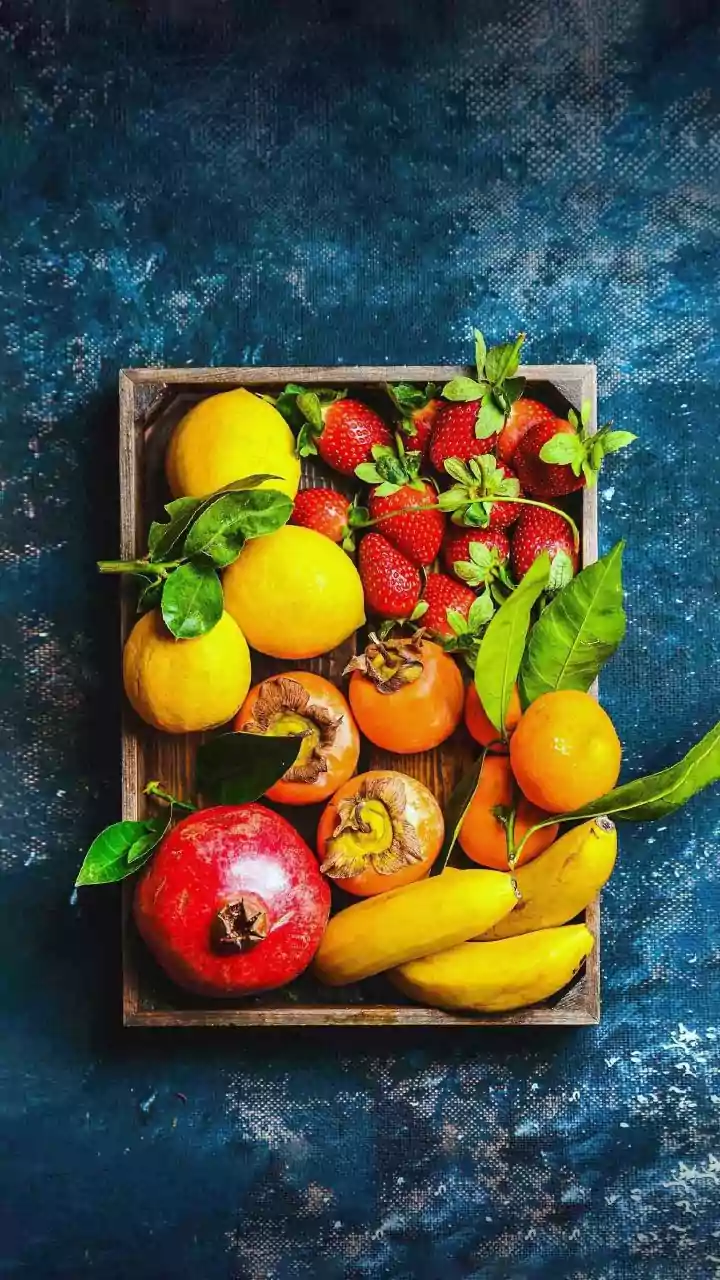
We're often told to eat more salads, but the monsoon is the one season where you should be cautious. Raw vegetables and fruits, especially those that are cut and left exposed, can be a breeding ground for bacteria and viruses. The moisture in the air accelerates contamination. Leafy greens, in particular, can harbour dirt, germs, and tiny insects that are hard to wash away completely. If you're craving vegetables, it's far safer to steam, grill, or boil them. Opt for fruits you can peel yourself right before eating, like bananas, pomegranates, and oranges, reducing the risk of consuming harmful pathogens.
Ignoring Water-Borne Disease Risks
This mistake goes beyond just avoiding street-side golgappas. The risk of water-borne diseases like typhoid, cholera, and jaundice increases significantly during the monsoon due to contamination of water sources. This means being extra careful about the water you drink and the food that is prepared with it. Always drink boiled, filtered, or purified water. Be wary of juices, chutneys, and other items from outside vendors, as you cannot be sure of the water quality used. At home, ensure your water storage tanks are clean and covered. It’s a simple precaution that can save you from serious illness.
Choosing Heavy, Dairy-Rich Curries
Rich, creamy, dairy-heavy curries might be comforting, but like fried foods, they are difficult to digest during the damp monsoon months. A sluggish digestive system can struggle with heavy meals, leading to discomfort and acidity. This season is the perfect time to switch to lighter preparations. Think thin, soup-like gravies made with a base of tomatoes, onions, and ginger-garlic. Dishes like rasam, light dals, and vegetable stews (jhol) are not only easier on the stomach but also hydrating and nourishing. They provide warmth and comfort without the heaviness.
Forgetting to Hydrate Adequately
When the weather is cool and damp, it's easy to forget to drink water. We don't feel as thirsty as we do on a scorching summer day. However, your body still needs adequate hydration to function properly and, crucially, to flush out toxins. Dehydration can weaken your immune system, making you more susceptible to infections. Instead of cold water, which can sometimes aggravate cold and cough symptoms, opt for warm water or herbal teas. A warm concoction of ginger, tulsi, and honey is not only hydrating but also has antibacterial properties that are perfect for the season.
Skipping Immunity-Boosting Foods
The monsoon is when your body's defenses need the most support. One of the biggest mistakes is not actively including immunity-boosting foods in your diet. Don't just avoid the 'bad' foods; make sure to add the 'good' ones. Incorporate traditional Indian spices like turmeric (haldi), ginger (adrak), garlic (lehsun), and black pepper (kali mirch) into your cooking. These are packed with anti-inflammatory and anti-bacterial properties. Also, ensure a good intake of Vitamin C from sources like amla, lemons, and oranges to help your body fight off common infections like the cold and flu.