



The Silent Start of Dental Disease
Pet dental disease is one of the most common health issues veterinarians see, affecting a majority of dogs and cats by the time they are three years old. It begins silently with plaque, a sticky film of bacteria that forms on the teeth after meals. If
not removed, this plaque hardens into tartar, a yellow or brown deposit that irritates the gums. This initial stage, known as gingivitis, causes mild gum redness and swelling, along with the first hints of bad breath. At this point, the process is often reversible with professional cleaning and good home care.
Early Warning Signs You Can Spot
Because our pets are masters at hiding pain, it's up to owners to be vigilant for the subtle clues of early dental trouble. The most common sign is persistent bad breath, which is never normal. Other key indicators include red, swollen, or bleeding gums, visible tartar on the teeth, and changes in eating habits. You might notice your dog or cat dropping food, chewing on only one side of their mouth, or suddenly preferring soft food over their usual kibble. Behavioral changes, like pawing at the mouth, increased irritability, or avoiding head scratches, can also signal oral discomfort.
How Disease Progresses to Tooth Loss
If gingivitis is left untreated, it progresses to periodontitis, a more severe condition that is not reversible. Bacteria creep below the gumline, causing infection that destroys the tissues and bone supporting the teeth. Veterinarians grade periodontal disease in stages, from early bone loss (Stage 2) to moderate (Stage 3) and finally advanced disease (Stage 4). In these later stages, the structural damage becomes severe. Gums recede, abscesses can form, and the supporting bone erodes, causing teeth to become loose and eventually fall out or require extraction. This process is painful and can significantly impact your pet's quality of life.
The Crucial Role of Professional Vet Care
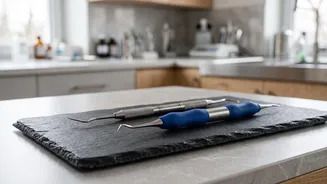
Early identification relies on a partnership with your veterinarian. Annual wellness exams should always include an oral check-up. However, a definitive diagnosis and treatment require a professional dental cleaning performed under general anesthesia. Anesthesia is critical for safety and allows the veterinary team to perform a thorough evaluation, including taking full-mouth X-rays to see damage below the gumline. The procedure involves scaling to remove plaque and tartar from above and below the gums, followed by polishing to smooth the tooth surface, making it harder for new plaque to stick. If advanced disease is found, extractions may be necessary to remove sources of pain and infection.
At-Home Care to Support a Healthy Mouth
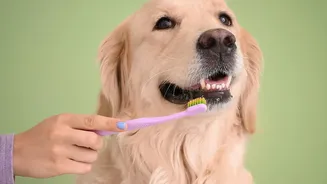
While professional cleanings are essential, at-home care is your first line of defense. Daily tooth brushing with a pet-specific toothpaste is the gold standard for removing plaque. Introduce brushing slowly and make it a positive experience with praise and rewards. If brushing isn't feasible, there are other effective options. Look for products approved by the Veterinary Oral Health Council (VOHC), which have been proven to help control plaque and tartar. These can include dental diets, water additives, oral rinses, and specially designed dental chews that help scrape teeth clean. Consistent home care slows disease progression and maintains the benefits of a professional cleaning.