






East Asia's New Offer for Global Talent
In a bid to attract high-earning, location-independent professionals, Japan and South Korea have rolled out their own versions of the 'digital nomad' visa. For Indian remote workers, freelancers, and business owners, this presents two exciting new possibilities
for living and working in some of the world's most dynamic countries. Previously, staying long-term required navigating complex work visas tied to local employers. These new pathways are specifically designed for those who earn their income from abroad, offering a legal framework to reside in the country while contributing to the local economy through their spending.
Japan's Digital Nomad Visa: The Specifics
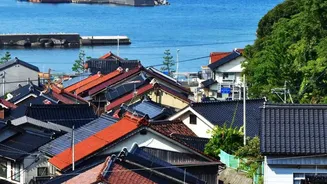
Japan's visa, which officially launched in March 2024, is targeted at highly skilled professionals. The key requirement is a significant annual income of at least JPY 10 million (approximately ₹52-55 lakh). This visa is available to citizens of 49 countries that have tax treaties with Japan, a list that includes India. The visa allows a stay of up to six months. However, a major point to note is that this visa cannot be renewed or extended. After the six-month period, you must exit Japan and can only reapply after spending another six months outside the country. Visa holders are also required to have private health insurance with significant coverage.
Who Qualifies for Japan?
To be eligible, an Indian applicant must prove they work remotely for a company registered outside of Japan or as a freelancer with clients based abroad. You cannot use this visa to seek or perform work for a Japanese company. The application process involves submitting proof of income (like tax certificates or employment contracts), evidence of private health insurance covering at least JPY 10 million, and a valid passport, among other documents. While family members (spouse and children) can accompany the main applicant, the short, non-renewable nature of the stay makes it more suited for individuals or couples seeking a medium-term immersion rather than a long-term relocation.
South Korea's 'Workation' Visa: A Longer Stay
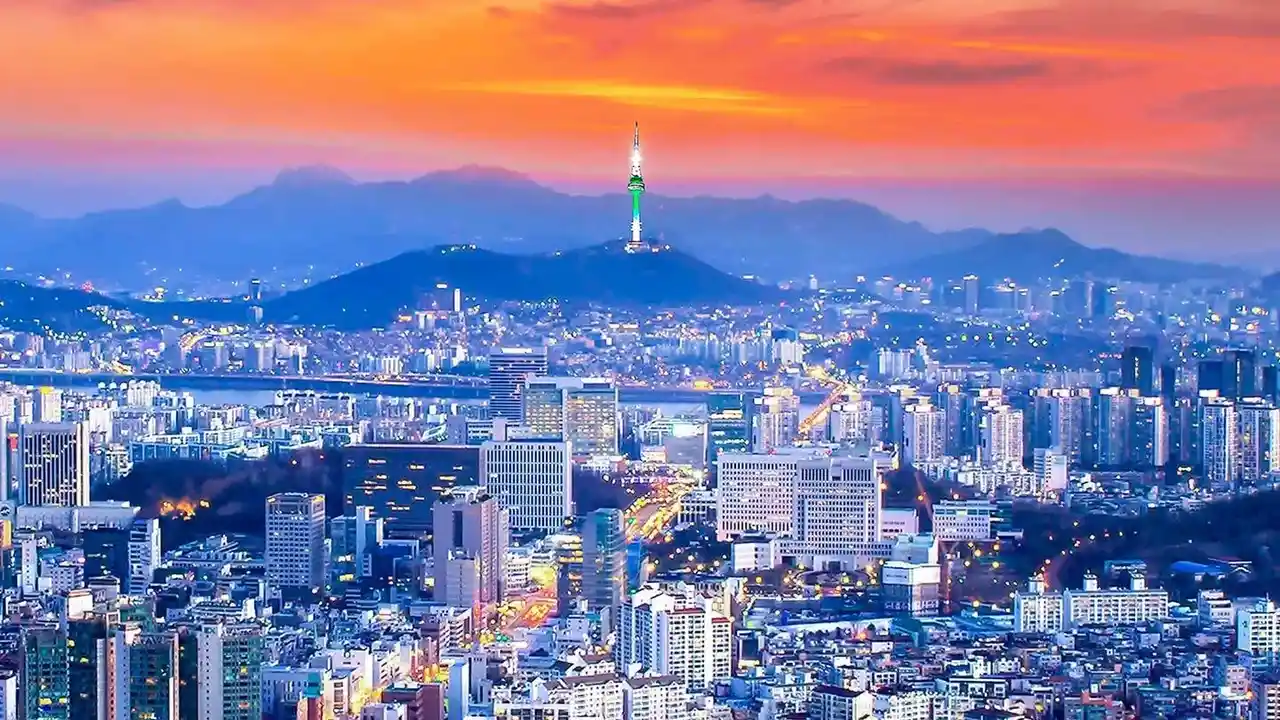
South Korea's F-1-D 'Workation' Visa, first introduced as a pilot in January 2024, was made a permanent program in June 2026. It offers a more extended stay compared to Japan's option. Initially granted for one year, it can be renewed, allowing a total stay of up to three years. The standard income requirement is also steep: applicants must prove an annual income of more than double South Korea's previous year's Gross National Income (GNI) per capita. For 2026 applications, this threshold is around KRW 105 million (approximately ₹62-65 lakh). Similar to Japan, applicants must work for a foreign company and have private health insurance.
New Flexible Criteria for South Korea
Recognizing the high income bar, South Korea has introduced crucial flexibility. For younger applicants aged 18-34 who plan to live outside the bustling capital region (Seoul, Incheon, and Gyeonggi Province), the income requirement is significantly lowered to just one year's GNI per capita, roughly half the standard amount. This move is designed to attract young talent to other vibrant cities like Busan or Daegu and help revitalize regional economies. Like the Japanese visa, this program allows you to bring your spouse and children along.
Japan vs. South Korea: A Quick Comparison
For Indian remote workers, the choice depends on career and lifestyle goals. Japan offers a six-month cultural deep-dive but is inflexible on duration. Its income requirement of around ₹55 lakh is high but slightly lower than Korea's standard threshold. South Korea provides a much longer potential stay of up to three years, making it a better choice for those seeking stability. Its standard income requirement is higher at over ₹62 lakh, but the lower threshold for younger applicants living outside Seoul is a game-changer, making it more accessible. Ultimately, Japan's visa is a medium-term experience, while South Korea's is a genuine long-stay option.