







A Simple Way to Decompress
After a day filled with work, screen time, and countless decisions, your nervous system can be left in a state of high alert. An evening walk serves as a natural transition, helping you mentally and physically disengage. The gentle, rhythmic movement
helps lower levels of cortisol, the body's primary stress hormone. This process activates the parasympathetic nervous system, often called the 'rest and digest' mode, which calms your mind and body. Walking boosts the release of endorphins, the body's natural mood elevators, which can help ease symptoms of anxiety and depression. By creating a clear separation between the demands of the day and the calm of the evening, a short walk can be a powerful tool for mental clarity and stress relief.
The Unexpected Sleep Aid
Contrary to the old belief that evening exercise disrupts sleep, a gentle walk can actually do the opposite. According to sleep medicine physician Dr. Andrea Matsumura, an evening walk helps regulate your circadian rhythm, the body's internal clock. Exposure to the dimming natural light of dusk signals to your brain that the day is ending, which helps kickstart the production of melatonin, the sleep hormone. The activity also helps lower stress, which is a common cause of sleep disturbances like waking up in the middle of the night. A 15 to 30-minute stroll is enough to create these benefits without over-stimulating your body, setting the stage for a deeper, more restorative night's sleep.
Support Your Digestion Naturally
Sitting down to a large meal and then immediately moving to the sofa can leave you feeling bloated and uncomfortable. A post-dinner walk is a well-established remedy for digestive issues. Light physical activity stimulates the stomach and intestines, helping food move through your digestive system more quickly and efficiently. This can alleviate feelings of gas, bloating, and indigestion. Furthermore, walking after a meal is highly effective at managing blood sugar levels. It helps your muscles absorb glucose from the bloodstream, preventing the sharp spikes and subsequent crashes that can affect your energy and lead to late-night cravings. Even a short walk of 10 to 15 minutes can make a significant difference.
A Sustainable Habit for the Time-Poor
One of the biggest advantages of an evening walk is its accessibility. It requires no special equipment, no gym membership, and no complicated scheduling. For busy adults who struggle to fit in a morning workout, an evening walk is often a more realistic and sustainable option. It piggybacks on an existing part of your day—the end of dinner—making it easier to form a consistent habit. Unlike high-intensity workouts that can feel daunting after a long day, a gentle walk is an approachable and low-impact activity that is easy on the joints. The key is consistency. A short, regular walk most evenings provides cumulative benefits for heart health, weight management, and overall well-being.
Tips for a Safe and Enjoyable Walk
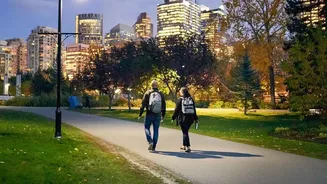
To make your evening walk a safe and pleasant routine, a little preparation goes a long way. Always prioritize walking in well-lit areas and on sidewalks or designated paths. If you must walk on the road, walk against the flow of traffic so you can see oncoming vehicles and they can see you in their headlights. Wear bright or reflective clothing to increase your visibility. While it can be a great time for quiet reflection, consider leaving one earbud out or keeping the volume low to remain aware of your surroundings. Carrying a phone is always a good safety measure. Finally, choose a route you know and feel comfortable with, especially when you are just starting out.