





The Foundation: Start with Clean, Hydrated Hair
A great twist-out begins on wash day. For the best definition, you need a clean canvas that’s free of buildup. Start by cleansing your hair with a hydrating, sulfate-free shampoo. Follow up with a deep conditioner to infuse your strands with moisture,
which is crucial for soft, manageable curls. Before twisting, detangle your hair thoroughly while it's saturated with conditioner, using your fingers or a wide-tooth comb. Working with tangle-free hair is essential for smooth twists and a frizz-free result. Your goal is to have hair that is damp but not soaking wet; this is the sweet spot for achieving definition without excessive shrinkage or an extremely long drying time.
Product Selection for Definition and Hold
The products you choose will make or break your style. A common and effective method is layering products to maximize moisture and hold. Start with a water-based leave-in conditioner to hydrate and soften the hair. Next, apply a styling cream or twisting butter. Creams are great for moisture and soft definition, while richer butters can provide more weight and hold, which is excellent for thicker, coily hair types. For extra longevity and frizz control, you can add a mousse or a light gel as the final layer. These products, known as film-formers, create a cast around the hair that helps the curl set and last longer.
Mastering the Twisting Technique
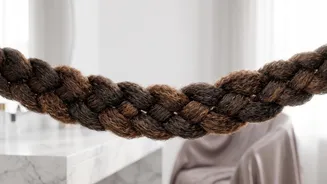
There are two primary methods for creating twists: the two-strand twist and the flat twist. Two-strand twists are the most common and beginner-friendly. To do this, take a small-to-medium section of hair, divide it into two equal parts, and wrap them around each other from root to tip. For a more defined and longer-lasting style, use smaller sections. A flat twist is similar, but you twist the hair flat against the scalp, picking up more hair as you go, much like a cornrow. This results in a curl pattern that is more defined at the root and offers more volume. Whichever method you choose, ensure you maintain even tension and coil the ends around your finger to prevent them from unraveling.
The Most Important Step: Let It Dry Completely
Patience is a virtue, especially when it comes to a twist-out. This is the single most critical step for achieving a defined, frizz-free result. Before you even think about unraveling your twists, they must be 100% dry. Taking them down while still damp is a guaranteed recipe for frizz and a style that won't last. You can let your twists air-dry, which often means leaving them in overnight, or you can use a hooded dryer on a low to medium heat setting to speed up the process. To check for dryness, gently squeeze a few of the thickest twists, especially at the crown and nape of your neck. If they feel even slightly cool or damp, give them more time.
The Takedown and Fluff
Once your twists are completely dry, it’s time for the reveal. To minimize frizz, lightly coat your fingertips with a natural oil, like jojoba or argan oil. This reduces friction as you separate the hair. Gently unravel each twist in the opposite direction from how you twisted it. After all twists are undone, you can carefully separate each resulting curl into two or three smaller sections for more volume. Be gentle during this step; over-separating can destroy your hard-earned definition. To add lift without creating frizz, use a hair pick at the roots only. Avoid picking through the lengths of your hair.
Preserving Your Style Overnight
To make your beautiful twist-out last for several days, you need to protect it while you sleep. A cotton pillowcase can absorb moisture and create friction, leading to frizz and flattened curls. The best way to preserve your style is to sleep with your hair covered in a satin or silk bonnet or scarf. Another popular method is the 'pineapple,' where you loosely gather your hair into a high ponytail on top of your head. For extra preservation, you can loosely re-twist your hair in a few large sections before bed. In the morning, simply take down the large twists, shake your hair out, and use your fingers to fluff at the roots.