


From Humble Halwa to Haute Cuisine
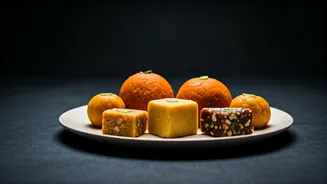
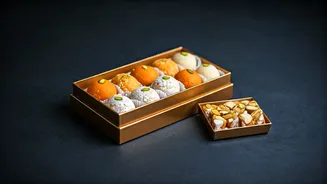
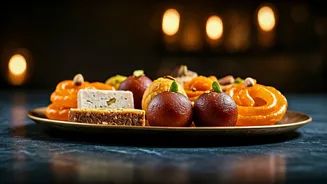
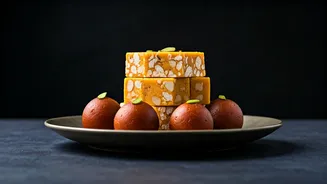
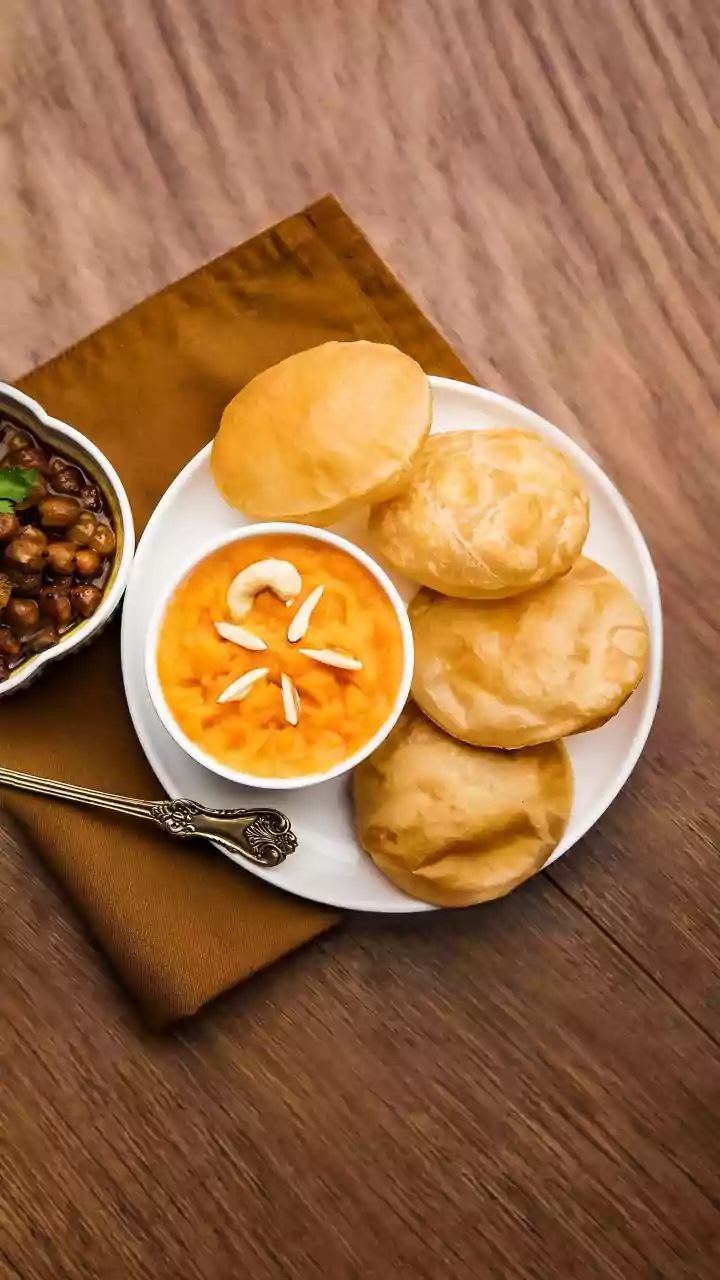
For generations, Indian desserts have been synonymous with festivals, family, and a certain comforting, rustic charm. Think dense, syrupy gulab jamuns, rich ghee-laden halwas, and colourful, crumbly ladoos. They are desserts of emotion and memory. [7]
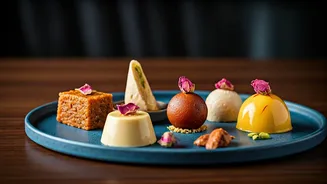
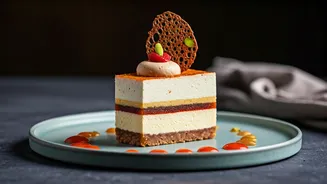
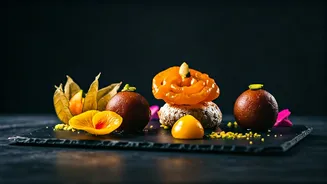
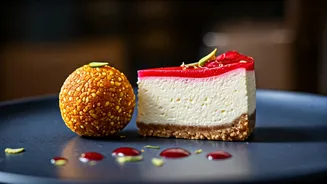
But a culinary revolution is underway. This new movement isn't about replacing these beloved classics but reimagining them through a modern lens. Chefs are deconstructing timeless recipes, applying European pastry techniques, and presenting them with a visual flair designed for the digital age. [16] The result is a vibrant new category of gourmet mithai that looks as exquisite as it tastes, appealing to a generation that eats with its eyes first. [4]
The Social Media Effect
The primary catalyst for this sweet transformation is, unsurprisingly, social media. In a world dominated by visual platforms like Instagram, a dessert's 'shareability' has become as important as its flavour. [17] Today's diners, particularly millennials and Gen Z, are more experimental and exposed to global trends than ever before. [7] They seek out novel experiences and photogenic dishes. This has created a fertile ground for chefs to innovate, blending familiar Indian flavours with the sophisticated aesthetics of French patisserie. [7, 14] The demand for 'Instagram-worthy' mithai has pushed boutique brands and artisanal sweet makers into the spotlight, turning traditional festive treats into year-round luxury items. [7, 11]
Meet the Modern Mithai-wallas
This trend is championed by a new class of pastry chefs and culinary innovators. Chefs like Tejasvi Chandela of Dzurt in Jaipur merge their Le Cordon Bleu training with traditional Indian mithai techniques, creating a unique hybrid. [14] Others, like Master Chef Ajay Chopra with his brand Kshir & Canelé, are dedicated to revolutionising the perception of Indian sweets by marrying them with global flavours. [15] Establishments like Mumbai's Bombay Sweet Shop have built their entire brand on imaginative takes on mithai, proving that there is a huge appetite for sweets that are both nostalgic and novel. [11, 16] These chefs aren't just making desserts; they're creating edible art that tells a story of a confident, evolving Indian culinary identity. [7]
A Symphony of New Flavours and Textures
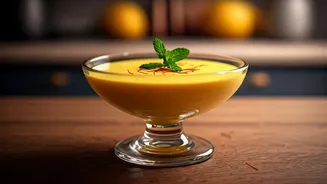
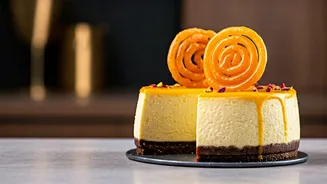
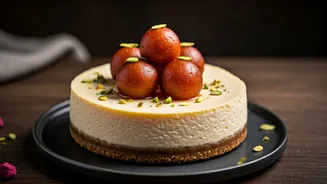
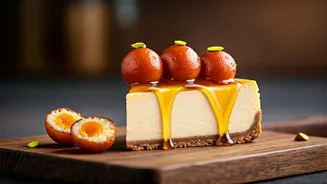
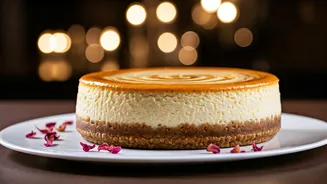
So, what does an Instagram-friendly Indian dessert look like? Imagine a Gulab Jamun Cheesecake, where the soft, syrup-soaked dumpling is encased in a creamy baked cheesecake. [3] Or a Rasmalai Tiramisu, blending the delicate flavours of Indian cottage cheese dumplings with the coffee-soaked richness of the Italian classic. [3, 5] The list is endlessly creative: Gajar Halwa Crumble Tarts, Paan Panna Cotta, Masala Chai Mousse Cake, and even Jalebi Caviar. [3, 10] These creations play with textures—marrying soft and crunchy, warm and cold—and introduce unexpected global ingredients like matcha, Biscoff, and yuzu into the Indian sweet lexicon. [4, 7] The goal is to balance flavour and texture in a way that respects the original while offering a completely new experience. [16]
Tradition vs. Trend: A Sweet Debate
Naturally, not everyone is sold on this modern makeover. For some, the extreme sweetness or ghee-laden richness is the very soul of Indian mithai, and altering that is sacrilege. [18] The key for successful fusion, according to chefs, is to avoid creating a gimmick. [16] The innovation must be delicious and thoughtful, not just trendy for the sake of it. The best modern desserts respect the roots of the original dish while elevating it. [16] It’s not about masking flavours but complementing them. This evolution isn't about erasing tradition but ensuring its survival by making it relevant to a new generation. [7, 11] As fusion mithai becomes a canvas for innovation, it's clear that it is more than a passing trend—it's a celebration of heritage and creativity coexisting beautifully. [7]