

Sendha Namak (Rock Salt): The Pure Seasoning
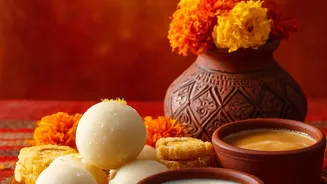
The most fundamental switch in vrat cooking is replacing regular table salt with sendha namak, or rock salt. The primary reason is purity; sendha namak is the most unprocessed form of salt, free from the chemical processing and anti-caking agents found
in common table salt. According to Ayurveda, it is a 'sattvic' food, meaning it promotes purity and calmness in the mind and body, which is a key goal of fasting. From a health perspective, sendha namak has a cooling effect on the body, unlike table salt which is considered heating. This is crucial as fasting can alter the body's digestive fire. Rich in minerals like potassium and magnesium, it also helps maintain the body's electrolyte balance, preventing the fatigue and muscle cramps that can come with a restricted diet. This makes it not just a spiritually appropriate choice, but a scientifically sound one for maintaining energy and hydration.
Kuttu ka Atta (Buckwheat Flour): The Energetic Pseudocereal
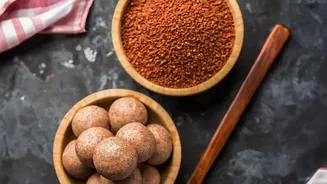
Despite its name, buckwheat (kuttu) is not a type of wheat. It's a fruit seed, which makes it permissible during fasts when grains are avoided. Kuttu ka atta is a nutritional powerhouse, making it ideal for providing sustained energy. It's packed with high-quality protein and complex carbohydrates, which digest slowly and keep you feeling full for longer. Ayurveda notes that buckwheat has a warming effect on the body, making it suitable for consumption during the seasonal transitions when many fasts, like Navratri, occur. Nutritionally, it's rich in essential minerals like magnesium, zinc, and iron, which are vital when food intake is limited. Its high fibre content aids digestion, while the antioxidant rutin supports heart health. Essentially, kuttu provides the robust energy needed to get through a day of fasting without the heaviness of traditional grains.
Singhare ka Atta (Water Chestnut Flour): The Cooling Grain-Free Flour
Singhare ka atta, made from dried and ground water chestnuts, is another staple of the vrat kitchen. Like buckwheat, it isn't a grain, making it an acceptable food for fasting. In contrast to the warming properties of kuttu, singhara is known for its cooling effect on the body. This makes it a great balancing ingredient, especially for those who experience acidity or heat-related issues during a fast. It is light, easy to digest, and low in calories while being a good source of potassium, which helps regulate blood pressure and water retention in the body. Its high fibre content also promotes satiety, preventing the urge to snack on less healthy options. Being gluten-free and rich in nutrients like vitamin B6 and antioxidants, it serves as a gentle yet effective source of nourishment. Its unique ability to bind ingredients also makes it a versatile flour for creating a variety of vrat-friendly dishes, from puris to halwa.