





The Magic of a Monsoon Stay
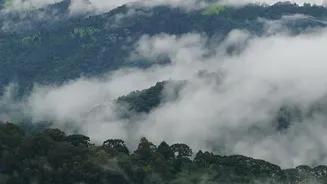
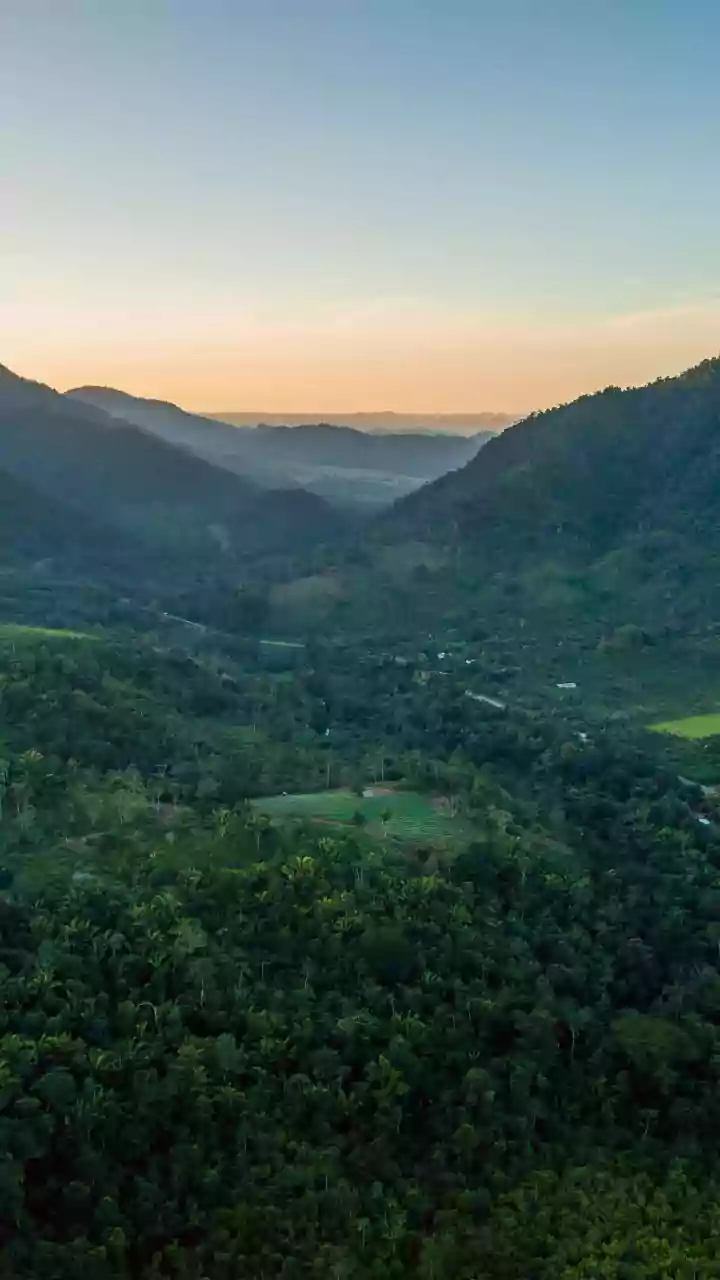
There is a unique charm to Wayanad during the monsoon months of June to September. Waterfalls like Soochipara and Meenmutty, which are modest trickles in the dry season, become thunderous cascades. The tea and coffee plantations, draped in mist, glow
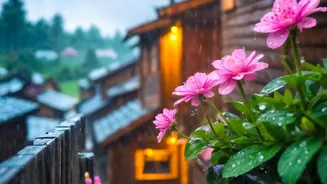
with an almost impossibly deep green. This is the season when the region feels most alive, and an eco-friendly bamboo lodge offers an immersive way to experience it. These structures, often built to blend with nature, allow you to hear the rhythmic drumming of rain on the roof and wake up to valleys filled with clouds, creating a peaceful and romantic atmosphere. However, this beauty comes with the responsibility of being prepared for the weather.
Choosing a Safe and Sturdy Lodge
Not all bamboo lodges are created equal, especially when facing heavy rainfall. When booking your stay, prioritising safety over aesthetics is crucial. Look for established resorts with a proven track record and positive reviews specifically mentioning monsoon stays. Check if the property is situated away from areas historically prone to landslides or flooding; many resorts now explicitly state their location is in a safe zone. Reputable establishments build their structures to withstand local weather conditions and have safety protocols in place. It's also wise to choose a location with good road access, as remote trails can become difficult to navigate during a downpour.
Essential Pre-Trip Safety Checks
Before you even start packing, a few checks are non-negotiable. Monitor the weather forecast closely in the days leading up to your trip. The India Meteorological Department (IMD) and local district authorities provide regular updates on rainfall intensity and any potential warnings. During peak monsoon, some trekking routes like Chembra Peak are often closed for safety. It's always best to confirm that roads, especially the winding ghat sections, are open and safe for travel. Call your resort to re-confirm your booking and ask about the current conditions on the ground. A flexible itinerary is your best friend during this season, as plans may need to change based on the weather.
Packing for a Wet and Humid Climate
Packing for a monsoon trip to Wayanad goes beyond a simple raincoat. The key is to stay dry, comfortable, and prepared. Opt for quick-drying synthetic fabrics instead of cotton or denim, which take a long time to dry in the high humidity. Sturdy, anti-slip footwear is essential, as paths can become very slippery. An umbrella is good, but a hands-free waterproof jacket is better. Protect your electronics with waterproof bags or pouches. Given the lush environment, mosquito repellent is a must. A portable power bank is also a wise addition, just in case of power cuts during heavy storms.
Staying Safe and Sound at the Lodge
Once you arrive, take a moment to familiarise yourself with your surroundings. Note the sturdiness of the structure and railings. Inquire about the resort's emergency procedures and communication methods. While enjoying the rain-soaked scenery, exercise caution. Avoid venturing too close to swollen rivers and waterfalls, as currents can be deceptively strong. Stick to designated paths when walking around the property. Many wildlife sanctuaries may cancel safaris on days with very heavy rain, and animal sightings can be less frequent as they take shelter. Embrace the opportunity for indoor activities—enjoying local Kerala snacks, reading a book on a covered verandah, or simply listening to the sounds of nature.