



Analyse the Forecast, Not Just the Icon
A simple rain cloud icon on your weather app doesn't tell the whole story. The first step is to dig deeper into the forecast. Is it predicting a light, intermittent drizzle or a sustained, heavy downpour? Modern weather apps and official sources like
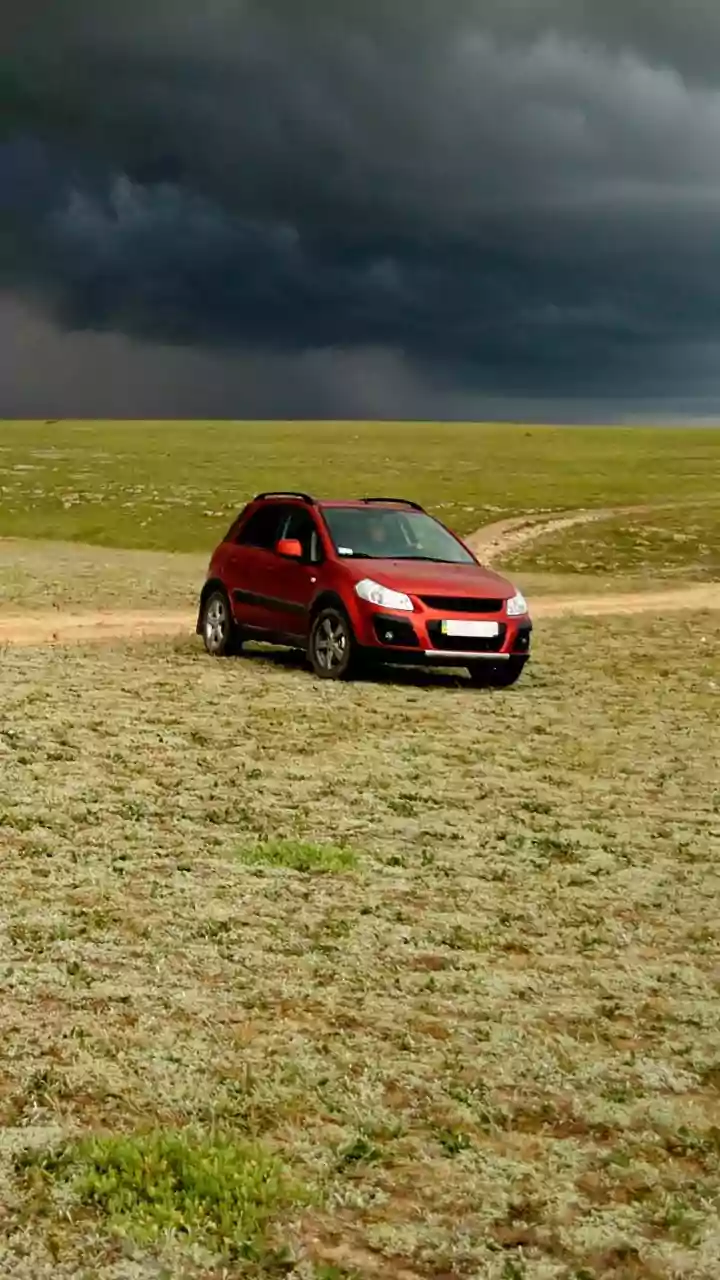
the India Meteorological Department (IMD) provide detailed hourly forecasts, including precipitation intensity and duration. Pay close attention to alerts for thunderstorms, high winds, or flash floods, which can be issued by agencies like the National Disaster Management Authority (NDMA). A passing shower might be manageable, but an official severe weather warning is a clear signal to seriously consider delaying your trip for safety.
Evaluate Your Route and Destination
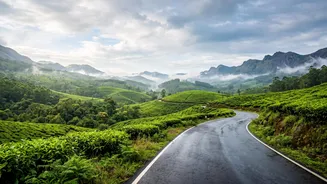
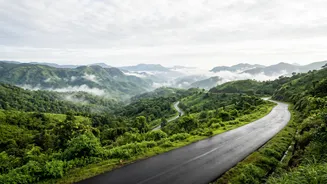
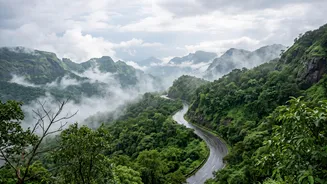
Not all rain-soaked roads are created equal. A trip across flat, well-maintained expressways presents a different set of challenges than a journey through hilly regions or remote rural roads. During India's monsoon, ghat sections and mountainous areas are prone to landslides and blockages. Urban areas and highways can suffer from severe waterlogging, which conceals dangerous potholes and can cause your vehicle to stall or hydroplane—where tyres lose contact with the road. Before you leave, use navigation apps that provide real-time traffic and hazard alerts, such as notifications for potholes or road closures. If your route involves known trouble spots, postponing might be the wisest decision.
Conduct a Monsoon Vehicle Health Check
Your car is your first and last line of defence in bad weather. A pre-trip inspection is non-negotiable. Pay special attention to three key areas: tyres, wipers, and lights. Your tyres need adequate tread depth to grip wet roads and prevent skidding. Worn-out wipers that leave streaks can dangerously impair your vision in a downpour. Finally, ensure all your lights—headlights, taillights, and indicators—are working perfectly. Driving with low beams on during the day in heavy rain makes you more visible to other drivers. Also check your brakes, as wet conditions significantly increase stopping distances.
Assess the Driver: Are You Up for the Challenge?
Driving in heavy rain is mentally taxing. It requires constant, heightened concentration. Be honest with yourself about your experience and comfort level with monsoon driving. If you are a nervous driver, or if you feel fatigued or unwell, your reaction time will be slower. The added stress of navigating slippery roads, poor visibility, and unpredictable traffic can be overwhelming. Furthermore, driving at night in the rain is significantly more hazardous. If your itinerary involves long hours behind the wheel, especially after dark, and heavy rain is forecast, it may be safer to reschedule or plan for an earlier start to drive during daylight hours.
Weigh the Purpose of Your Trip
Finally, consider the stakes of the journey itself. Is this a leisurely vacation where the drive is part of the fun, or is it an essential trip to attend an important event like a wedding or a family emergency? If the trip is for leisure, pushing through dangerous conditions can ruin the entire experience, replacing relaxation with stress and anxiety. You might find that waiting a day or two for a clearer weather window leads to a much more enjoyable and memorable trip. However, if the trip is unavoidable, take every possible precaution: leave with ample extra time, drive significantly slower than usual, and be prepared to pull over and wait if conditions become too severe.