



Saturn Takes Centre Stage
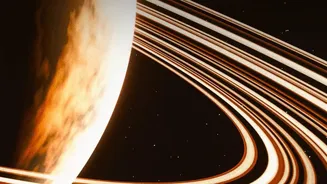
October kicks off with a brilliant showing from the ringed jewel of our solar system. Saturn reaches opposition on October 4, which means it will be directly opposite the sun in our sky. On this night, Earth passes between the sun and Saturn, placing
the planet at its closest and brightest for the year. For observers in India, Saturn will rise around sunset in the east, remain visible all night long, and set around sunrise. While its famous rings require a telescope to be seen, the planet itself will be easily visible to the naked eye as a bright, steady, yellowish point of light. This is the best time of year to view and photograph the planet, making the nights around October 4 a must-see for all sky-gazers.
A Dance of Moon and Planets
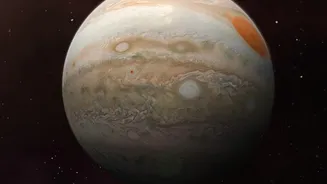
The Moon will have some close encounters with our planetary neighbours this month. On the morning of October 5, look to the pre-dawn sky to see the waning crescent Moon near Mars. The following morning, October 6, the Moon will be seen close to the giant planet Jupiter. Some parts of the world will even see the Moon pass in front of Jupiter in an event called a lunar occultation. While the full occultation may not be visible from all of India, the close pairing, or conjunction, of the Moon and Jupiter will still be a beautiful sight in the early morning hours. These conjunctions offer wonderful photo opportunities and are a great way to identify the planets in the sky.
The Gentle Draconid Meteor Shower
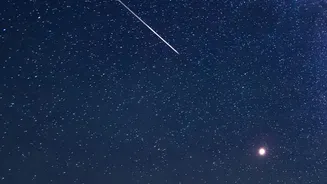
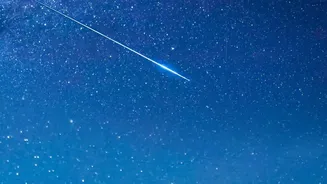
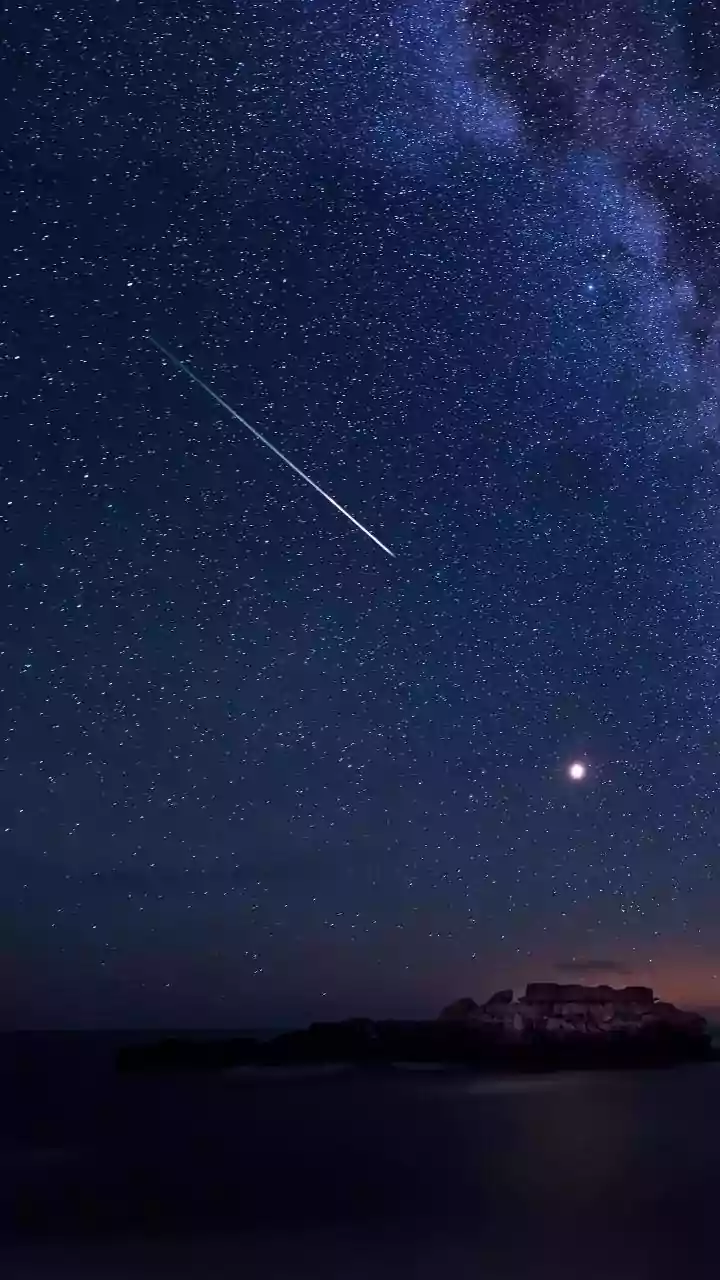
The first of two meteor showers this month, the Draconids, is set to peak on the night of October 8-9. Unlike many other showers that are best viewed after midnight, the Draconids are best seen in the early evening, just after nightfall. In 2026, viewing conditions are nearly perfect as the peak coincides with a nearly new moon, meaning dark, moon-free skies. This shower is known for being unpredictable; while it typically produces a modest 5-10 meteors per hour, it has been known to produce surprise outbursts of hundreds of meteors. The meteors are debris from the comet 21P/Giacobini-Zinner and are known for being slow and graceful.
The Fast and Bright Orionids
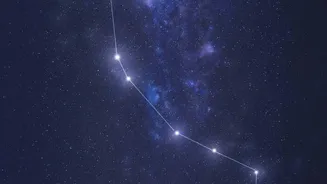
Get ready for one of the year's best showers as the Orionids peak on the night of October 21-22. Produced by dust grains left behind by the famous Halley's Comet, the Orionids are known for their speed and brightness, often leaving persistent trails. At its peak, the shower can produce up to 20 meteors per hour. For 2026, a waxing gibbous Moon will be present in the evening sky, which could wash out some of the fainter meteors. However, the Moon will set after midnight, leaving the pre-dawn hours dark and perfect for viewing. For the best show, find a dark location away from city lights, lie back, and look up towards the constellation of Orion.
The Hunter's Full Moon
October's full moon, traditionally known as the Hunter's Moon, will grace the sky on the night of October 25-26. The name comes from old traditions, as this was the time of year when hunting was done by the light of the full moon to prepare for winter. For India, the Moon will reach its peak fullness during the daytime on October 26, making the evening of October 25 the best time to watch it rise. Look to the eastern horizon around sunset to see the large, golden orb of the full moon make its dramatic appearance. This full moon also coincides with the Hindu festival of Kojagiri Purnima, a celebration of the goddess Lakshmi.