

Decoding Your Desired Caffeine Kick
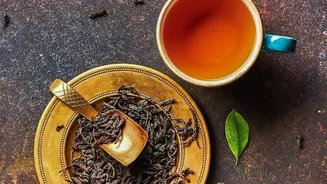
All 'true' teas come from the same plant, Camellia sinensis, which means they all naturally contain caffeine. However, the way the leaves are processed dramatically alters the caffeine level in your cup. Black tea generally has the most caffeine, typically
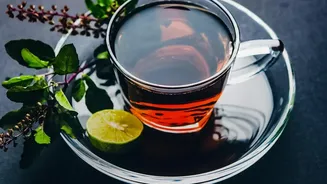
ranging from 40 to 70 milligrams per cup, making it a great morning choice. Oolong tea sits in the middle with around 30 to 50 milligrams, offering a balanced lift. Green tea contains less, usually between 25 and 50 milligrams, providing a gentle boost often described as a calm focus due to the presence of L-theanine. White tea has the least caffeine of the true teas, with about 15 to 30 milligrams, perfect for a subtle, mellow experience. Remember that brewing time and temperature also play a role; a longer, hotter steep will extract more caffeine.
The Calm and Caffeine-Free Aisle
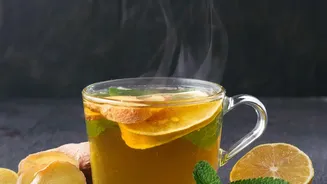
If you're looking to avoid caffeine altogether, your best bet is herbal infusions, also known as tisanes. These beverages are made from a variety of plants, such as chamomile, peppermint, ginger, and rooibos, none of which naturally contain caffeine. They are a perfect choice for evening relaxation or for those who are sensitive to stimulants. It's important to distinguish these from 'decaffeinated' teas. Decaf black or green teas are true teas that have undergone a process to remove most, but not all, of their caffeine, typically leaving behind a small amount, usually 1 to 8 milligrams per cup. So, for a truly zero-caffeine experience, herbal infusions are the way to go.
The Hunt for Hidden Sugars
Many inviting specialty tea blends, especially those with dessert-like names, can hide a surprising amount of added sugar. To make an informed choice, you must become a label detective. The FDA requires manufacturers to list 'Added Sugars' separately under 'Total Sugars' on the nutrition facts panel. This distinction is crucial. A tea blend with dried fruit will have natural sugars, but the 'Added Sugars' line will tell you if the manufacturer also mixed in sweeteners. Check the ingredients list for sugar's many aliases, including cane sugar, corn syrup, dextrose, sucrose, and even seemingly healthier options like agave nectar, honey, or maple syrup when they've been added in processing. Ingredients are listed by weight, so if a type of sugar appears near the top, the blend is likely very sweet.
Embracing Naturally Sweet Flavours
A desire for sweetness doesn't mean you have to accept added sugars. Many teas and herbal ingredients offer a naturally sweet taste without any additives. High-quality oolong and white teas can develop rich, honey-like or creamy notes through careful processing. Certain herbal ingredients are renowned for their inherent sweetness. Licorice root, for instance, contains glycyrrhizin, a compound much sweeter than sugar that provides a lasting, sweet finish. Honeybush, a cousin of rooibos, has a gentle, honey-like aroma and taste. Blends that include real fruit pieces, like apple or berries, and spices such as cinnamon or vanilla bean can also provide a perception of sweetness without relying on added sugar.
Your Smart Shopping Checklist
When you're ready to buy, approach the tea aisle with a clear plan. First, decide on your caffeine needs. Are you looking for a morning jolt (black tea), a gentle afternoon lift (green or oolong tea), or a relaxing evening cup (herbal infusion)? Once you've narrowed down the category, pick up the package and head straight for the nutrition facts and ingredients list. Scan for the 'Added Sugars' line to see exactly what you're getting. Be wary of ambiguous terms like 'natural flavours', which can sometimes include sweeteners. By prioritizing these two factors, you can cut through the marketing noise and confidently select a specialty tea that perfectly suits your taste and wellness goals.