

A World Washed Anew
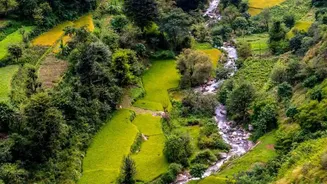
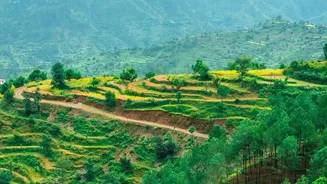
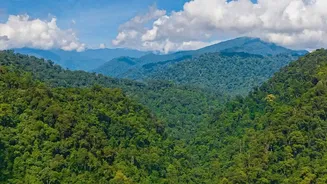
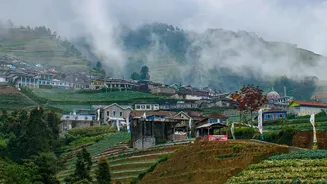
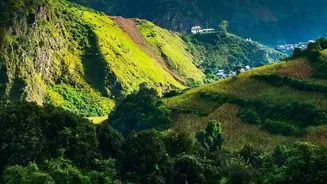
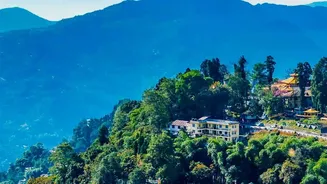
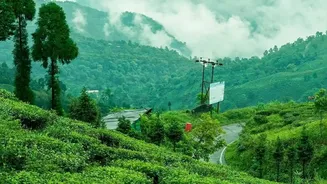
From June to September, the monsoon transforms Northeast India into a realm of surreal beauty. The region, already known for its rolling hills and deep valleys, sheds any hint of dusty brown for an intense, almost impossible green. States like Meghalaya,
the ‘Abode of Clouds’, live up to their name as mist clings to mountainsides and valleys fill with drifting clouds. This isn't just a change in scenery; it's a complete atmospheric shift. The air is cool and fresh, a welcome respite from the oppressive humidity of the plains. For eco-travellers, this seasonal rebirth is a powerful draw, offering a chance to see nature at its most raw and vibrant. It is a time when the landscape feels alive and untamed, a far cry from manicured tourist circuits.
Waterfalls in Their Full Glory
The single greatest spectacle of the Northeast monsoon is the waterfalls. During the dry months, many are mere trickles. But with the rains, they become roaring, thunderous cascades. Cherrapunji and Mawsynram, among the wettest places on Earth, become the epicentre of this phenomenon. Iconic waterfalls like Nohkalikai, India's tallest plunge waterfall, and the multi-stream Seven Sisters Falls are at their most powerful and majestic, offering views that are both humbling and unforgettable. For photographers and nature lovers, the chance to witness this hydro-powered drama is a primary reason to visit. The experience is an auditory and visual feast, reinforcing the sheer force of nature that defines the region.
The Wisdom of Living Bridges
Perhaps nothing embodies the spirit of sustainable travel in the Northeast more than the living root bridges of Meghalaya. Cultivated over decades by the Khasi and Jaintia peoples, these bridges are a marvel of bio-engineering. The roots of the Ficus elastica (rubber) tree are guided across rivers and streams, eventually growing strong enough to support human crossing. Unlike concrete or wooden structures that decay in the heavy rainfall, these living bridges thrive in the wet conditions, growing stronger over time. For eco-travellers, trekking to these bridges—especially the famous Double Decker bridge in Nongriat village—is a pilgrimage. It represents a profound harmony between human ingenuity and the natural world, a core principle of eco-conscious philosophy.
The Value of Slow, Sustainable Travel
Monsoon is considered the off-season in many parts of India, but in the Northeast, it offers a different kind of luxury: peace. With fewer tourists, the experience becomes more intimate and personal. This aligns perfectly with the ethos of slow travel, which prioritizes connection over a packed itinerary. Visitors are more likely to stay in community-run homestays, contributing directly to the local economy and gaining authentic cultural insights. Mawlynnong, famously known as 'Asia's Cleanest Village', is a prime example of successful community-based tourism that shines during the rains. This model of travel—sustainable, supportive of local communities, and focused on deeper experiences—is precisely what a growing segment of eco-travellers is searching for.