






The Performance of Preparation
The phrase “the camera eats first” has quietly become a guiding principle in many kitchens. Thanks to the endless scroll of social media, cooking is no longer just a domestic task; it’s a performance. Every chop, sizzle, and stir is a potential 30-second
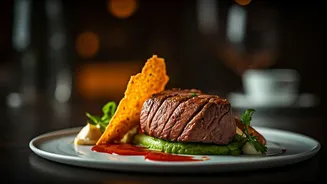
video. This pressure to create visually appealing, “Instagrammable” food has transformed home cooking into a form of content creation. Restaurants have long designed dishes with high colour contrast and unique textures specifically for their on-screen appeal, and this aesthetic is now infiltrating the home. The result is a new kind of dinner drama where the presentation and story behind the meal are almost as important as the taste itself, turning simple weeknight dinners into potential viral moments.
The Rise of the Private Chef Experience
For those with the means, the ultimate dramatic dinner isn’t about going out, but staying in. The luxury dining landscape in India is seeing a significant shift away from prestigious restaurants and toward hyper-personalized, in-home experiences with private chefs. This trend, which gained traction during the pandemic, is now a booming part of the hospitality sector. Discerning diners are trading crowded restaurant floors for the intimacy and exclusivity of a culinary professional crafting a bespoke, multi-sensory meal in their own space. It’s the ultimate dinner theatre, where the chef is the star, the kitchen is the stage, and the meal is a story tailored specifically to the guests, bypassing the standardized menus of commercial establishments entirely.
Sustainability and Health Pressures
The drama isn't just about aesthetics; it's also deeply moral. There's a growing awareness of the environmental impact of our food choices, from carbon footprints to packaging waste. This has created a new layer of pressure for the home cook. In India, a large majority of diners now inquire about ingredient sourcing and a restaurant’s eco-friendly practices, a concern that is translating to home cooking. The drive to be sustainable—to reduce food waste, choose local and seasonal ingredients, and opt for more plant-based meals—adds a significant mental load to meal planning. Every grocery run becomes a series of ethical decisions, turning the quest for a simple, healthy dinner into a complex balancing act of personal well-being and planetary health.
The AI-Powered Sous Chef
Adding another character to our kitchen drama is artificial intelligence. Smart kitchen appliances are no longer the stuff of science fiction. Ovens with built-in cameras, refrigerators that track inventory and suggest recipes based on their contents, and AI-powered apps that create personalized meal plans are becoming increasingly common. These technologies promise to make cooking more precise and convenient, acting as a virtual sous-chef that can guide even a novice through a complex recipe. While this can remove some of the guesswork, it also introduces a new dynamic: a reliance on algorithms to decide what and how we eat, personalizing our culinary routines in ways we are only just beginning to understand.
The Quest for New and Authentic Flavours
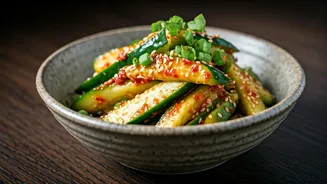
While technology pushes us forward, there's a parallel pull toward authenticity and new experiences. Indian diners are increasingly well-informed and adventurous, driving demand for specific regional and international cuisines, with Korean food, for example, maintaining significant popularity. This culinary curiosity is fueled by social media, which exposes people to a diversity of global foods and creates trends that ripple through home kitchens. This desire for authenticity and novelty adds another layer of complexity to dinner. It's no longer enough to master a few family recipes; the modern home cook is often on a quest to replicate a specific, authentic flavour they saw on their travels or in a viral video, turning the kitchen into a laboratory for global culinary exploration.