


A Moving Piece of History
First and foremost, the Nilgiri Mountain Railway (NMR) is a journey back in time. Recognised as a UNESCO World Heritage Site in 2005, it is a living, breathing museum of colonial-era engineering. The railway, which began operations in the late 19th and early
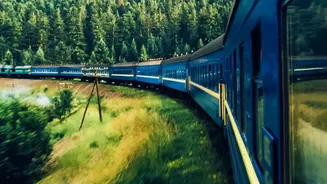
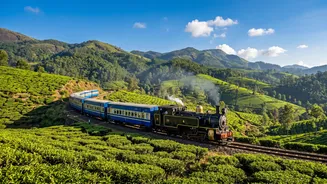
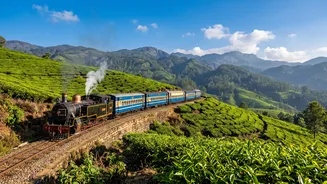
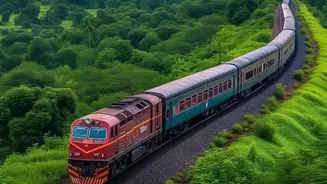
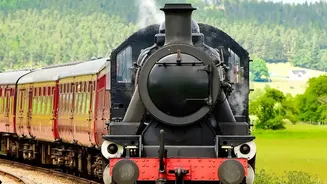
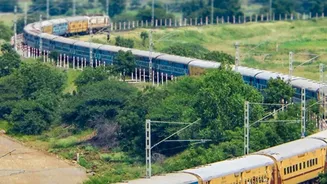
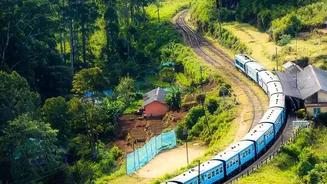
20th century, was built by the British to connect the plains with the cool climes of Udhagamandalam, or Ooty. This heritage status isn't just a label; it signifies the railway's outstanding universal value. Passengers travel in charming blue and cream wooden carriages, pulled on the steepest sections by vintage steam locomotives. This tangible connection to the past, the chugging sound of the engine, and the unhurried pace offer a powerful dose of nostalgia that travellers are increasingly seeking out.
An Engineering Marvel on a Steep Climb
Part of the railway's allure lies in its unique engineering. The NMR is the only rack-and-pinion railway in India, a system designed to conquer the incredibly steep gradients of the Nilgiri Hills. Between Mettupalayam and Coonoor, the train climbs Asia's steepest track, using a toothed 'rack' rail between the tracks that the locomotive's 'pinion' or cogwheel grips onto. This allows the train to essentially haul itself up the mountain, a spectacle of ingenuity that fascinates engineers and casual tourists alike. The journey scales an elevation from about 326 metres to over 2,200 metres, navigating 16 tunnels and more than 250 bridges along its 46-kilometre route. This isn't just a train ride; it's a showcase of human determination against a challenging landscape.
Unmatched Scenery and a Slower Pace
In a world obsessed with speed, the NMR offers the opposite: the luxury of slow travel. The journey from Mettupalayam to Ooty takes nearly five hours, giving passengers ample time to soak in the breathtaking vistas. The train winds through dense forests, past vibrant green tea plantations, across deep ravines, and alongside gushing waterfalls. The large windows of the carriages frame a constantly changing panorama of the 'Blue Mountains'. This unhurried pace is a deliberate choice, allowing travellers to disconnect, relax, and truly appreciate the natural beauty of the Nilgiris. This focus on the journey over the destination resonates deeply with the modern ethos of mindful travel, making it a major draw for those looking to escape the hustle of city life.
Responding to a Surge in Demand
The growing popularity isn't just anecdotal. The demand for tickets, especially during peak tourist seasons, has risen so sharply that securing a seat has become a challenge. In response, the Southern Railway's Salem Division has been introducing special services to accommodate the rush. For instance, summer special trains were announced for 2026 to run between March and July, helping to manage the heavy flow of tourists during the vacation period. These additional services, though sometimes priced at a premium, provide more opportunities for travellers to experience the iconic journey, signalling the railway authorities' recognition of and adaptation to the NMR's surging demand.
The Undeniable Pop Culture Effect
The NMR's fame has also been cemented in popular culture, most famously through the iconic song 'Chaiyya Chaiyya'. The image of Shah Rukh Khan dancing atop the moving train in the 1998 film 'Dil Se' is etched into the memory of a generation. This cinematic moment showcased the railway's stunning scenery to a massive audience and continues to inspire many to relive the scene. The train has appeared in numerous other films and documentaries, its visual appeal making it a director's favourite. This on-screen legacy adds a layer of glamour and aspiration to the journey, transforming it from a simple train ride into a bucket-list pilgrimage for movie lovers and social media enthusiasts seeking that perfect, iconic shot.