






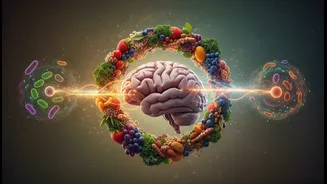



The Gut-Brain Conversation
The conversation around diet and mental well-being often starts with the gut-brain axis, a complex communication network connecting your digestive system and your brain. It’s not just a feeling; what happens in your gut can genuinely influence your mood.
Researchers estimate that a huge proportion, up to 95%, of serotonin—a key neurotransmitter for mood regulation—is produced in the gut. An unhealthy diet, high in processed foods, sugar, and saturated fats, can disrupt the balance of your gut bacteria and promote inflammation. This inflammation isn't just a local issue; it's associated with a higher risk for conditions like depression and anxiety. Conversely, a diet rich in fiber, fruits, vegetables, and healthy fats helps foster a diverse and healthy gut microbiome, which in turn can reduce inflammation and support better mental health.
Why the Research Requires Caution
Despite the clear biological links, proving a direct causal relationship between specific foods and mental health conditions is challenging. Much of the existing research is observational, meaning it shows a correlation—for example, people who eat a certain way tend to have lower rates of depression—but it doesn't prove that the diet caused the improvement. People with healthier diets might also exercise more, have a higher socioeconomic status, or avoid smoking, all of which are confounding factors that also affect mental health. Randomized controlled trials (RCTs), the gold standard for scientific evidence, are difficult and expensive to conduct in nutrition. It's hard to isolate the effect of one nutrient when whole foods contain a complex mix of compounds. This is why headlines promoting a single nutrient or food as a cure for anxiety should be viewed with skepticism; the reality is far more nuanced.
The Power of Patterns, Not Single Foods
Instead of focusing on individual nutrients, research increasingly points to the power of overall dietary patterns. Diets like the Mediterranean diet—rich in fruits, vegetables, whole grains, olive oil, and fish—are consistently associated with a reduced risk of depression. One intervention study found that adults with major depression who followed a Mediterranean diet for 12 weeks showed significant improvements in their mood. These patterns work because they are naturally anti-inflammatory, rich in essential vitamins and minerals like B vitamins and magnesium, and support a healthy gut. The focus isn't on banning certain foods entirely but on building a diet around whole, minimally processed foods. This approach is more sustainable and has stronger scientific backing than chasing the latest 'miracle' food trend.
Building Healthy Long-Term Habits
Nutritional psychiatry is not a replacement for therapy or medication, but it can be a powerful complementary tool. The goal is to build sustainable, long-term habits, not to follow a restrictive, short-term diet. Small, consistent changes are often more effective. This might look like adding an extra serving of vegetables to your dinner, swapping a sugary drink for water, or ensuring you eat regular meals to stabilize blood sugar and mood. It's also important to remember the social and psychological aspects of eating. Sharing meals with others can provide a sense of connection and regularity, which benefits mental health. The most effective approach is a holistic one that sees diet as one part of a larger wellness strategy that includes physical activity, good sleep, and professional support when needed.