






The Great Retail Migration
The story of Indian retail is being rewritten in its Tier-2 and Tier-3 cities. For decades, the biggest fashion brands concentrated their efforts on the saturated markets of Delhi, Mumbai, and Bengaluru. Now, the real momentum is in what is often called
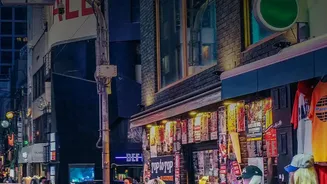
'Bharat'—smaller, emerging urban centers. This shift is fueled by rising disposable incomes, increased digital exposure to global trends, and a growing hunger for branded experiences. E-commerce laid the groundwork, creating awareness and demand. Now, physical stores are following, with fashion and apparel brands accounting for 40% of retail real estate leasing in the first half of 2026, aggressively targeting these non-metro hubs. Companies from Reliance's Azorte to Spykar and Bata are planning hundreds of new stores, seeing these cities not as secondary markets, but as the new frontline of expansion.
The Quality and Value Equation
The most pressing question for a new customer in a city like Surat or Indore is straightforward: am I getting the same product as someone in Mumbai, and is it worth the price? There's a long-held suspicion that international brands may offer lower-quality goods in developing markets to meet price points. While hard to prove definitively, the strategy for non-metro expansion isn't a simple copy-paste. Brands often create specific product assortments and pricing strategies tailored to local contexts. The definition of 'value' itself changes. For many aspirational shoppers, the brand logo and the organised retail experience are as much a part of the value as the fabric quality. However, these consumers are also described as value-conscious, seeking a balance of style, durability, and a reasonable price, often preferring brands that feel relatable over exclusive luxury.
Trend Translation, Not Just Replication
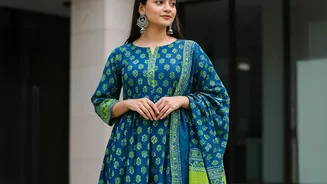
It's a mistake to assume non-metro consumers are passive recipients of metro trends. Shoppers in Tier-2 cities are developing their own aesthetic, blending global influences with regional tastes, cultural elements, and practical comfort. A brand's success hinges on its ability to understand this. Winning in these diverse markets means tailoring collections to specific climates, cultures, and price sensitivities. Rather than selling last season's metro stock, smart brands are 'localising' their offerings. This can mean offering different colour palettes, adapting styles to suit more traditional sensibilities, or creating collections that align with local festivals. So, while the latest runway trend might be available, it's often a version that has been translated to resonate with a local audience.
The Impact on the Local Ecosystem
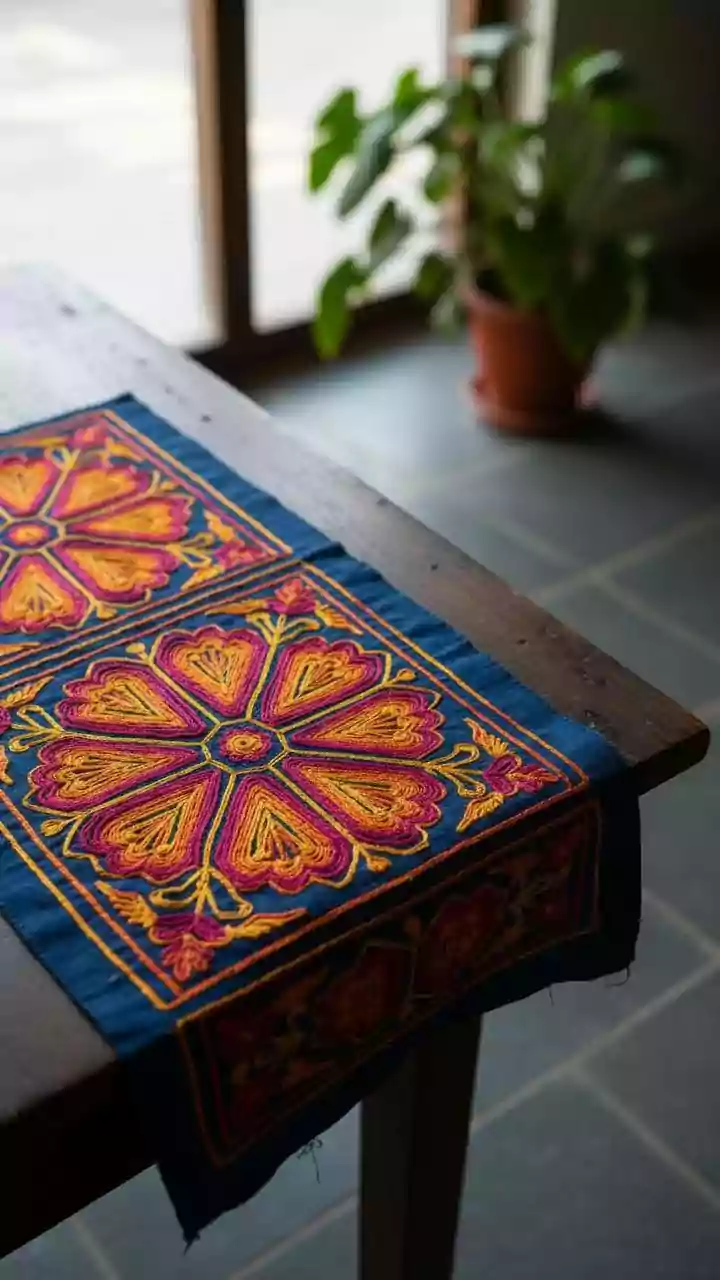
The arrival of a global giant like Zara or a national powerhouse like Westside inevitably sends ripples through the local economy. It presents a formidable challenge to local boutiques and unorganised retailers, who must now compete with vast supply chains and multi-crore marketing budgets. The presence of big brands can increase competition, but it also raises the overall standard and expectation for retail experiences. Some local businesses adapt by becoming more niche, focusing on authentic crafts or bespoke services that larger chains cannot replicate. In some cases, the entry of organised retail creates a more vibrant market, drawing more shoppers to an area and potentially benefiting smaller players who can capture spillover traffic. It's a classic case of disruption, creating both winners and losers.