


The Core Difference: Impact on Joints
The most significant distinction between floor aerobics and rebounding is the level of impact on your body. Traditional aerobics, which includes everything from high-energy dance classes to step workouts, is considered high-impact. Every jump, jog, and grapevine
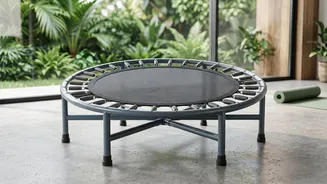
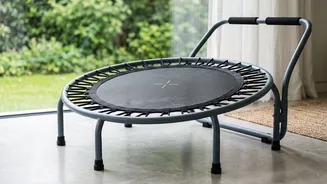
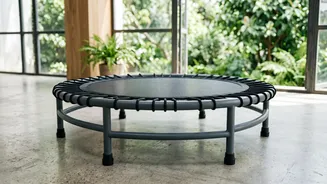
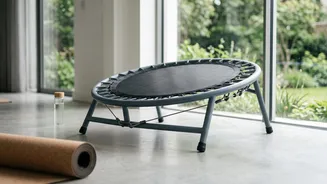
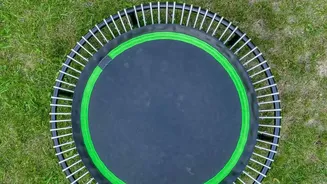
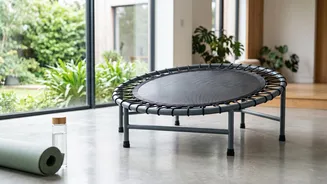
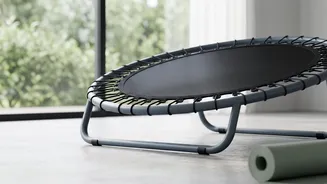
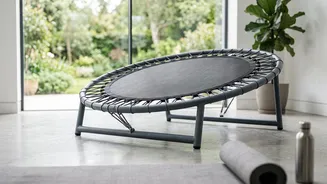
sends a shock through your feet, ankles, knees, and hips. While this can be effective for building bone density, it can also be punishing for those with sensitive joints or pre-existing injuries. Trampolining, or rebounding, is the opposite. The flexible surface of the mini-trampoline absorbs a huge percentage of the impact — some studies suggest up to 80% less stress than working out on a hard surface. This makes it an incredibly joint-friendly form of cardio, allowing for high intensity without the jarring force. It's an ideal choice for people managing arthritis, recovering from injury, or simply looking to protect their joints long-term.
Calorie Burn and Cardiovascular Intensity
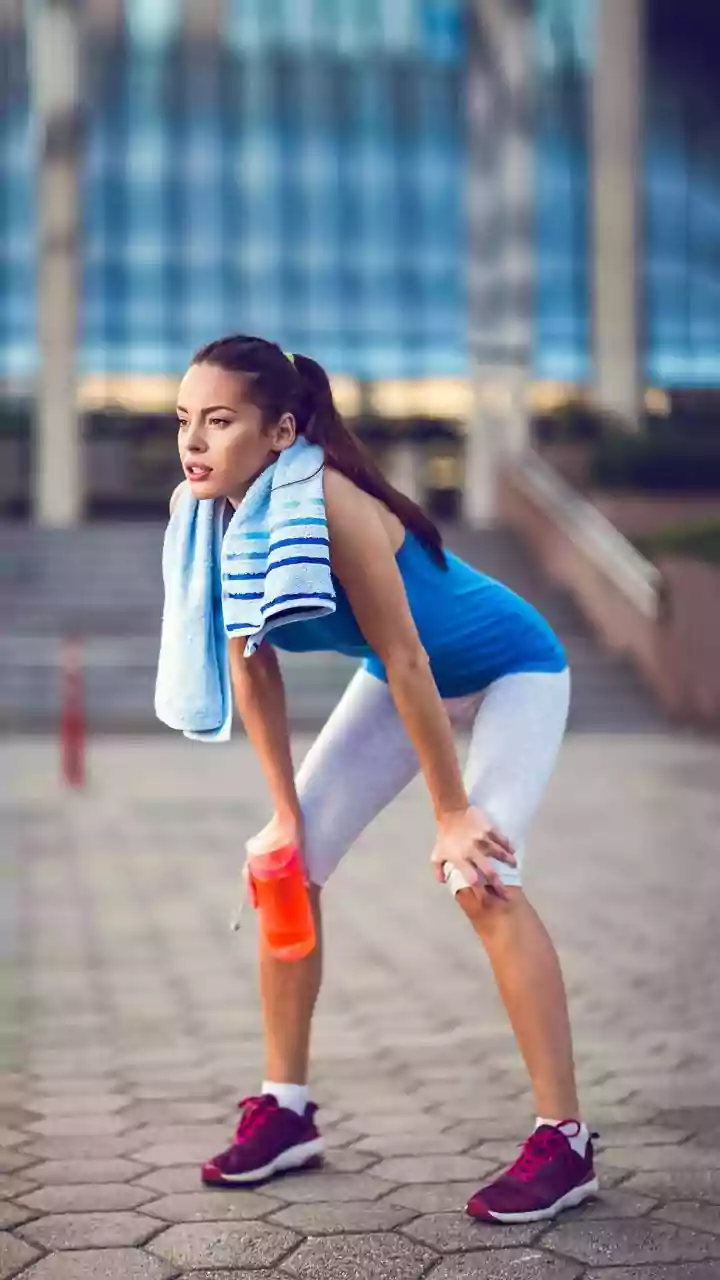
When it comes to burning calories, both workouts can be highly effective, but the experience is different. A high-intensity aerobics class can torch a significant number of calories. Similarly, a vigorous rebounding session can burn anywhere from 400 to 800 calories per hour, depending on your weight and the intensity of your movements. Interestingly, a famous NASA study found that rebounding was more efficient in terms of oxygen consumption than running. This means you can achieve a great cardiovascular workout on a trampoline without feeling as breathless as you might during a comparable run or aerobics routine. The American Council on Exercise also confirmed that mini-trampoline workouts effectively push the heart rate into the ideal cardiovascular training zone. Ultimately, the intensity of both workouts is scalable, but rebounding often allows you to work harder for longer with less perceived effort and joint stress.
Muscle Engagement and Toning
Floor aerobics is fantastic for working large muscle groups, particularly in the lower body. The choreographed movements improve coordination and rhythm. However, rebounding introduces an element that floor work can’t match: instability. The shifting surface of the trampoline forces your body to constantly make micro-adjustments to stay balanced. This engages over 400 muscles in a single session, including the deep core muscles, pelvic floor, and small stabilizer muscles around your joints that are often neglected in other workouts. While aerobics provides a great workout for your legs and glutes, rebounding offers a more comprehensive, full-body activation that enhances balance, coordination, and core strength simultaneously.
The Unique Benefit: Lymphatic Drainage
Here’s where trampolining truly stands apart. Your lymphatic system is a crucial part of your body's immune and detoxification network, but unlike your circulatory system, it has no central pump. It relies on body movement to circulate lymph fluid and clear out waste. The unique up-and-down motion of rebounding is exceptionally effective at stimulating this flow. Studies and experts suggest that the vertical bouncing motion can increase lymphatic circulation by 15 to 30 times compared to being at rest. This 'internal massage' can help reduce bloating, decrease inflammation, and support immune function in a way that the horizontal movements of traditional aerobics do not. This enhanced drainage is why many people report feeling lighter and more energized after a rebounding session.
Fun Factor and Accessibility
Exercise adherence often comes down to one simple question: Is it fun? Many people find the rhythmic bouncing of trampolining inherently joyful, making it feel less like a chore and more like play. This can be a powerful motivator for consistency. Aerobics classes offer a different kind of fun, often driven by great music and the social energy of a group setting. In terms of accessibility, floor aerobics has a lower barrier to entry—all you need is some space. For rebounding, you need to invest in a mini-trampoline, though they are relatively compact and affordable. Both can be done at home with online classes or in-person at a gym.