


An Enduring Love for Rainy Day Food
The connection between the monsoon and food is deeply ingrained in Indian culture. As the temperature drops, a collective craving for warm, flavourful snacks takes over. From Mumbai’s spicy vada pav to Kolkata’s crunchy telebhaja and Delhi’s samosas,
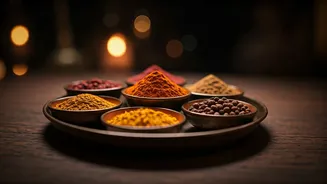
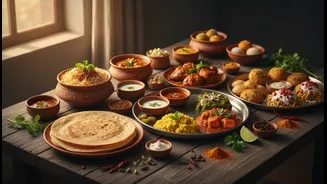
every region has its cherished rainy-day treats. These dishes are more than just food; they are nostalgia on a plate, shared with family and friends while watching the rain fall. Traditionally, these recipes rely on simple, local ingredients and a host of spices like ginger, turmeric, and black pepper, which are believed to have warming properties perfect for the damp weather. The classics—bhutta roasted on charcoal, steaming momos, and endless cups of masala chai—are timeless rituals that define the season.
The Rise of the Pop-Up Kitchen
Enter the pop-up restaurant, a dynamic and increasingly popular force in India's culinary landscape. These temporary dining events offer chefs a low-risk, flexible platform to experiment with new ideas, test concepts, and connect directly with diners. Unlike traditional restaurants with fixed menus and high overheads, pop-ups thrive on agility and creativity. They create a sense of exclusivity and excitement, tapping into a modern diner's desire for unique, time-bound experiences. Fueled by social media buzz, these events can transform any space—from an art gallery to a private home—into a vibrant culinary destination for a night, making them the perfect vehicle for innovation.
Reimagining Monsoon Classics
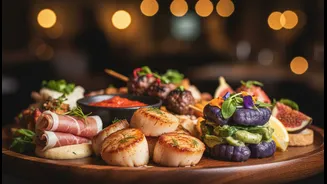
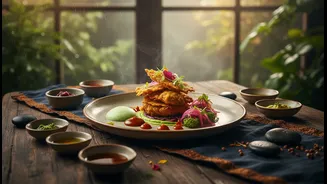
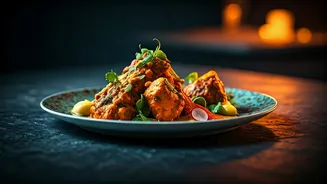
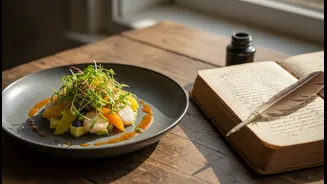
So what happens when the experimental nature of pop-ups meets the beloved traditions of monsoon food? A culinary renaissance. Chefs are using this format to deconstruct and reinvent familiar dishes. Imagine a classic samosa chaat, but with avocado and makhana, or litti chokha presented as a vibrant salad. Pakoras, the undisputed king of monsoon snacks, are getting gourmet makeovers with fillings like blue cheese, minced prawns, or even chocolate. There are restaurants offering creative twists like banana fritters and fried paan leaves alongside the usual favourites. Even chai is being reimagined, with infusions of lavender or other botanicals. The goal isn't to replace the classics, but to celebrate them by presenting them in new, unexpected, and exciting ways.
More Than a Meal, It's an Experience
The appeal of these monsoon pop-ups goes beyond the plate. They are curated events that often feature a specific theme, music, and an intimate setting that encourages interaction. Some chefs are focusing on regional micro-cuisines, introducing diners to lesser-known monsoon traditions from across India. For example, a pop-up might explore the tangy, fruit-based curries of Assam or the steamed delicacies of Gujarat. Others are fusing Indian monsoon flavours with global techniques, creating dishes like Japanese-style hot pots with Indian spices or truffle-infused khichdi. This approach not only provides a novel dining experience but also educates palates and broadens the definition of what monsoon food can be.
A Sign of a Confident Culinary Scene
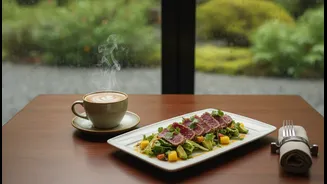
This trend highlights the growing confidence and creativity within the Indian food scene. Chefs are no longer just recreating old recipes; they are actively interpreting them, adding their personal stories and modern techniques. The pop-up format empowers both established and emerging chefs to showcase their talent and build a community around their food. It allows for a nimbler response to seasonal produce and a more direct conversation between the person cooking the food and the person eating it. This fusion of tradition and innovation is a win-win, offering diners exciting new tastes while ensuring that the comforting soul of monsoon food remains at the heart of the experience.