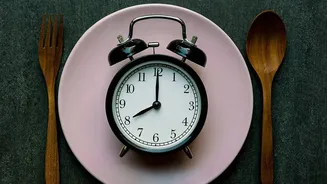







Aligning with Your Body Clock
Your body operates on an internal 24-hour clock known as the circadian rhythm. This master clock, located in the brain, coordinates various bodily functions, including digestion, hormone release, and metabolism. Recent research in the field of chrononutrition
suggests that our bodies are most efficient at processing food earlier in the day. When we eat late at night, we are essentially asking our digestive system to work overtime when it's naturally winding down to rest and repair. This misalignment can disrupt metabolic processes. Studies indicate that even with the same meal, eating later can lead to higher blood sugar levels and reduced insulin sensitivity because our body's ability to process sugar is less efficient at night.
Unlocking Fat-Burning Potential
One of the most compelling reasons to finish your dinner earlier is its effect on fat metabolism. Eating earlier creates a longer overnight fasting window. During this period, instead of using energy from the meal you just ate, your body is encouraged to switch its fuel source. Once it burns through available glucose, it begins to tap into stored fat for energy—a process known as fat oxidation. Research has shown that eating a late dinner can decrease the rate of fat burning by as much as 10 percent compared to an earlier meal. Over time, consistently eating earlier supports better metabolic health and can be an effective strategy for weight management by promoting this natural fat-burning cycle. Studies have linked this eating pattern to better weight control and a reduced risk of metabolic diseases.
The Connection to Deeper Sleep
If you’ve ever felt restless after a late, heavy meal, you’ve experienced the conflict between digestion and sleep. Eating close to bedtime can lead to issues like bloating and acid reflux, which can disrupt sleep. But the impact goes deeper. The digestive process requires significant energy and blood flow. When your body is busy digesting, it can’t fully dedicate its resources to the restorative processes that happen during deep sleep, such as tissue repair and hormone regulation. Furthermore, meal timing influences the production of key hormones. An early dinner supports the natural evening rise of melatonin, the sleep hormone, while late-night eating can delay its release and elevate cortisol, the stress hormone, which can interfere with your ability to fall and stay asleep. Studies have shown a direct link between later meal times and poorer sleep quality.
How to Make the Shift
Moving your dinner time two or three hours earlier might seem daunting, especially with a busy schedule. The key is to make a gradual transition. Start by shifting your last meal 15-30 minutes earlier each week until you find a sustainable time, ideally finishing at least two to three hours before you go to bed. To manage hunger, ensure your dinner is balanced with protein, healthy fats, and fiber to promote satiety. If you feel hungry before bed, opt for a light, healthy snack rather than a full meal. It's also helpful to have a nutrient-rich breakfast and lunch, which can help regulate your appetite throughout the day and reduce the urge for a large late-night meal. The goal isn't rigid perfection but finding a schedule that aligns better with your body’s natural rhythm.