



July’s Pre-Dawn Planetary Parade
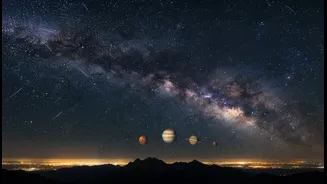
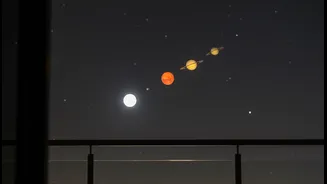
The main reason for the early morning buzz in July 2026 is a beautiful arrangement of planets. Throughout the month, those willing to wake up before the sun will be treated to the sight of Mars and Saturn in the eastern sky. On the mornings of July 11th
and 12th, a lovely waning crescent Moon joins the lineup, creating a celestial guidepost that makes identifying the planets incredibly easy, even for a total novice. Mars will appear as a steady, reddish point of light, while Saturn offers a brighter, calmer glow. Though you'll need binoculars to spot the much fainter Uranus nearby, the main planetary players will be easily visible to the naked eye, offering a simple yet stunning cosmic display.
Why The Early Morning Sky is Better
There’s a simple, scientific reason why the hours just before sunrise are considered prime time for stargazing. Firstly, the atmosphere is often more stable. The cooling of the ground overnight reduces air turbulence, which is what causes stars to 'twinkle'. Less twinkling means a sharper, clearer view of planets and distant stars. Secondly, particularly in and around cities, the pre-dawn period is usually when light pollution is at its lowest. Fewer cars are on the road and many commercial lights may be switched off, leading to a darker backdrop for the celestial show. Your eyes also have plenty of time to adapt to the darkness, making it easier to spot fainter objects. This combination of clearer air and darker skies creates a viewing experience that is noticeably superior to what you might find in the evening.
The Underrated Genius of the Balcony
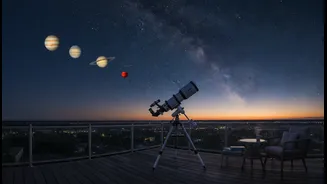
You don't need to travel to a remote, dark-sky park to begin your astronomical journey. The emphasis on the 'balcony' is about making the hobby as accessible as possible. For many living in Indian cities, a balcony is a private, safe, and readily available viewing platform. It requires no travel, no special setup, and no navigating unfamiliar places in the dark. It offers an unobstructed slice of the sky, high above the immediate ground-level glare of a neighbour's security light or a passing vehicle. This low-effort approach is key for beginners; the easier it is to start, the more likely you are to actually do it. Simply stepping outside removes the biggest barrier to entry, turning a potentially complex hobby into a simple, quiet morning ritual.
Catching Late-Month Shooting Stars
Beyond the planets, July also hosts the Southern Delta Aquariids meteor shower, which is active from mid-July and peaks around July 29-30. The best time to watch for these 'shooting stars' is in the hours after midnight until dawn. While the peak in 2026 will be challenged by a bright Moon, which can wash out the fainter meteors, you may still catch some of the brighter ones streaking across the sky. This shower, along with the Alpha Capricornids which peak at the same time, is known for producing some slow, bright fireballs. It adds another layer of potential excitement to your early morning watch, rewarding patience with a chance to see a truly magical and fleeting event.
Your Simple Starter Guide
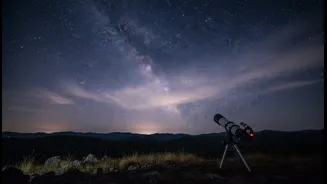
Getting started is simpler than you think. You don’t need a telescope, though a basic pair of binoculars can enhance the view of things like the Moon’s craters or even Saturn's shape. The most important tool is patience. Allow your eyes at least 15-20 minutes to fully adapt to the dark; avoid looking at your phone screen, as its bright light will ruin your night vision. A stargazing app on your phone (used sparingly and in red-light mode if possible) can help you confirm you’re looking at Mars and not just a bright star. Dress comfortably for the pre-dawn chill, grab a warm drink, and simply look up. The goal isn’t to become an expert overnight, but to experience the quiet wonder of the cosmos from the comfort of your own home.