


The Challenge of Hidden Threats
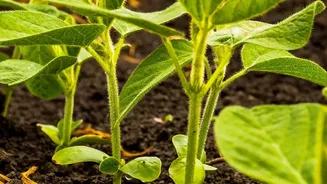
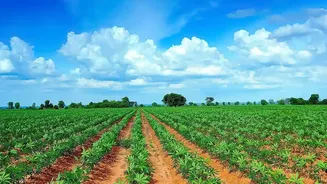
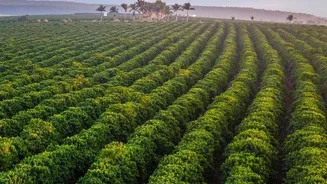
Every farmer knows the anxiety of uncertainty. Pests, diseases, lack of water, or nutrient deficiencies are constant threats that can silently reduce yields long before a plant shows visible signs of distress like yellowing leaves. This hidden stress is a major
challenge. By the time the problem is obvious, significant damage to the crop's potential and the farmer's income may already be done. Traditional methods of walking the fields are time-consuming and can miss the early, subtle signs of trouble, especially on larger plots of land. This is a critical issue in India, where agriculture faces challenges like water scarcity, unpredictable weather, and rising input costs.
An Eye in the Sky for Agriculture
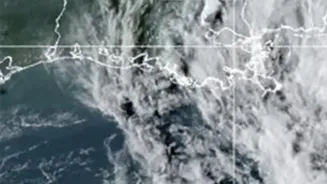
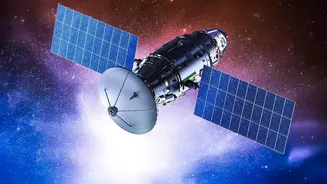
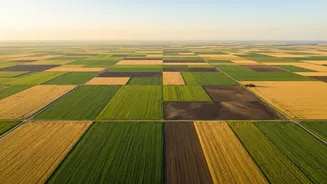
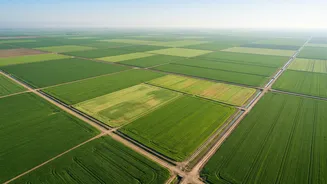
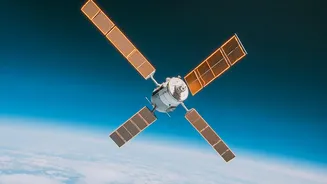
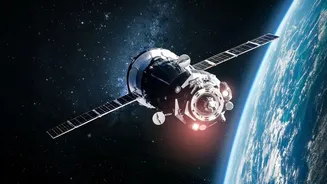
This is where remote sensing, the science of observing the Earth from a distance, comes in. Satellites equipped with advanced sensors orbit the planet, capturing detailed images of agricultural land. These aren't just regular photos; they capture light across different wavelengths, including those invisible to the human eye, like near-infrared (NIR). Healthy, thriving vegetation reflects light differently than plants that are under stress. Specifically, healthy plants absorb a lot of red light for photosynthesis and reflect a large amount of NIR light. When a plant is stressed, this pattern changes, and satellites are designed to detect these minute shifts with incredible precision.
Decoding the Language of Plants
Scientists and agritech companies process this satellite data using specialised indexes to make it understandable and actionable. The most common is the Normalised Difference Vegetation Index, or NDVI. The NDVI formula uses the difference between reflected near-infrared light and red light to create a simple score, typically ranging from -1 to +1. High values (e.g., above 0.6) generally indicate dense, healthy vegetation, while lower values can signal sparse or stressed crops. Other indices exist too; some are better at correcting for atmospheric haze, while others are more sensitive to chlorophyll content or soil conditions, offering a more detailed diagnosis. Thermal imaging can also detect water stress by measuring the temperature of the crop canopy.
From Data to On-Farm Decisions
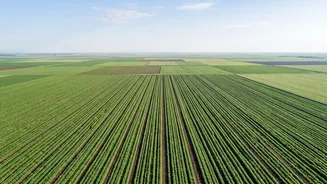
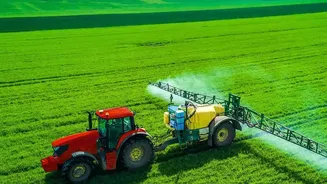
This data is then translated into practical advice for farmers, often delivered through mobile apps. Instead of a generic alert, a farmer might receive a map of their field colour-coded to show specific zones of stress. This allows for 'precision agriculture'—applying the right input, in the right place, at the right time. The advice could be to irrigate a specific dry patch, apply nutrients to a deficient area, or scout a particular section for pests. This targeted approach helps farmers use resources like water and fertiliser much more efficiently, which not only lowers production costs but also promotes environmental sustainability by reducing chemical runoff.
Real-World Impact in India
This technology is no longer just theoretical; it's actively being deployed across India. Government initiatives like the Krishi Decision Support System (Krishi-DSS) and PM-FASAL use satellite data for crop forecasting, drought monitoring, and even for settling crop insurance claims under the Pradhan Mantri Fasal Bima Yojana (PMFBY). Numerous agritech startups like CropIn and SatSure are also providing these services directly to farmers and agribusinesses, helping them monitor crop health and manage risks. Studies have shown that using satellite-based advisories can improve crop productivity by 2-5% while reducing input costs by 5-10%.
Challenges and the Road Ahead
Despite its immense potential, widespread adoption faces hurdles. The high initial cost of some precision equipment can be a barrier for small and marginal farmers, who make up a large portion of India's farming community. Limited digital literacy and poor internet connectivity in some rural areas also pose challenges. Building trust and demonstrating a clear return on investment is crucial. However, with the government making more satellite data freely available and startups creating affordable, service-based models, these barriers are gradually lowering. The future of Indian agriculture lies in blending the invaluable experience of farmers with data-driven insights from above.