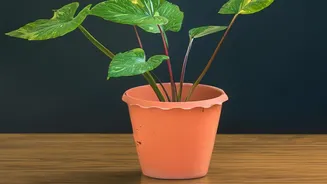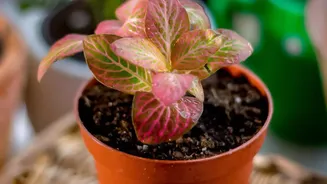


Why Quarantine Is Non-Negotiable
Quarantining a new plant is the single most effective way to protect your existing indoor garden. Most houseplant pest infestations start with a new plant that carried unseen pests or their eggs into your home. Even a perfectly healthy-looking plant from
a reputable nursery can harbour developing populations of common pests like spider mites, mealybugs, scale, and thrips. These issues are often invisible in their early stages. Skipping this crucial isolation step is a gamble that can lead to a widespread infestation, costing you time, money, and potentially your cherished plants. By isolating the newcomer, you give yourself time to observe it and ensure it's healthy before introducing it to its new family.
Setting Up Your Quarantine Zone
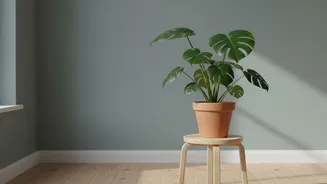
Your quarantine zone doesn't need to be a laboratory; it just needs to be separate. Ideally, this means placing the new plant in a different room from your other plants for a period of two to four weeks. A bathroom, laundry room, or a spare bedroom windowsill are all excellent choices. The physical separation is important because pests like fungus gnats can fly, while others like spider mites can travel short distances between plants. If a separate room isn't possible, even a few metres of separation is better than nothing. For added security, especially in small spaces, you can place a large, clear plastic bag with ventilation holes over the plant to contain any potential airborne pests.
The Initial Leaf Check: What to Look For
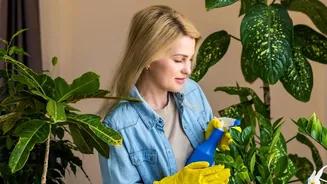
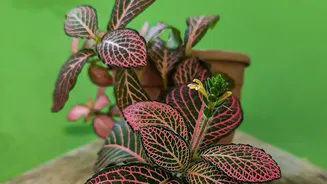
Before you even place the plant in its quarantine spot, perform a thorough initial inspection. This is your first and most important leaf check. Gently examine the entire plant, paying close attention to the undersides of leaves, where many pests like to hide. Look for tiny dots, fine webbing (a sign of spider mites), or any unusual bumps. Check the stems and the nooks where leaves join them for white, cotton-like clumps, which could be mealybugs, or small brown bumps that indicate scale insects. Also, inspect the surface of the soil for any tiny flying insects or crawling critters. If you're comfortable, you can even gently slide the plant out of its pot to check that the roots are firm and white, not brown and mushy, which indicates root rot.
Your Weekly Quarantine Routine
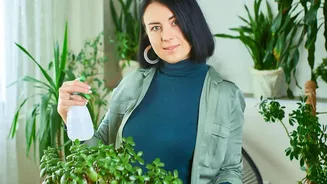
Once the plant is in isolation, your job is to monitor it. A weekly check-in is a good rhythm to adopt. Each week, perform a detailed leaf check, systematically looking over the foliage and stems for any changes since your initial inspection. Use a magnifying glass if you have one to get a closer look, as many pests are minuscule. Note any changes like yellowing leaves, brown spots, or sticky residue on the leaves, known as honeydew. Water the plant as needed based on its specific requirements—remember that a stressed plant is more susceptible to pests. Using sticky traps near the pot can also help you catch and identify any flying pests like fungus gnats that emerge from the soil.
Graduating from Quarantine
So, how long should this isolation last? A minimum of two weeks is recommended, but a four-week quarantine is much safer. Pests like mealybugs and scale have longer life cycles, and it can take up to a month for a new generation to appear. If, at the end of this 30 to 40-day period, your plant shows no signs of pests or diseases after multiple leaf checks, it's ready to graduate. Some plant owners take an extra step and give the plant a preventative treatment with insecticidal soap or neem oil before moving it, but this is optional if your inspections have been consistently clear. The plant should look healthy, with no new spots, wilting, or signs of distress.
Introducing Your New Plant
After a successful quarantine, it's time for the happy introduction. Move the new plant to its intended permanent location. While it's now considered safe, it's still wise to keep a close eye on it for another week or two as it acclimatises to its new spot. Continue your regular plant care, but be mindful during your watering routine to give the leaves a quick once-over. This habit of performing regular leaf checks on all your plants, not just new ones, is the best long-term strategy for maintaining a healthy and pest-free indoor jungle. Happy plants are better equipped to fight off invaders, so ensuring they have the right light, water, and care is your ultimate defence.