


The Great Reopening: When Do Parks Open?
Most national parks in India remain closed during the monsoon months, typically from June or July to September. This closure is essential for several reasons: the heavy rains make safari tracks impassable and unsafe, it allows the forest ecosystem to recover
without human disturbance, and it coincides with the crucial breeding season for many species. The reopening process is staggered. Many parks, like Ranthambore and Sariska in Rajasthan, typically open their core zones on October 1st. Others, especially in Central India, follow a mid-October schedule. For instance, Bandhavgarh and Pench often reopen around October 15th, with Panna following on October 16th. In the northeast, Kaziranga in Assam usually welcomes visitors in early October. India's oldest national park, Jim Corbett, has a phased reopening; the Jhirna and Bijrani zones open around mid-October, while the core Dhikala zone often waits until mid-November. It's crucial for travellers to check the official park websites for the exact dates, as they can change based on local weather and ground conditions.
A World Rejuvenated: Lush Landscapes
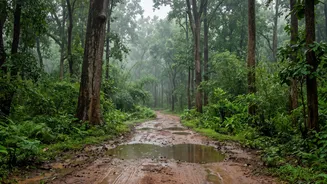
The first thing that strikes any post-monsoon visitor is the sheer vibrancy of the landscape. After months of rain, the forests are transformed into a lush, green paradise. Dust is replaced by dewy freshness, dry riverbeds swell into flowing streams, and waterholes are brimming. This abundance of water means the vegetation is dense and the scenery is breathtakingly beautiful. Photographers will find the soft light and rich colours particularly rewarding. The forest feels alive, with the air smelling of wet earth and fresh foliage. This verdant backdrop provides a stunning contrast for any wildlife you might encounter, making the entire experience more immersive and visually spectacular.
Wildlife Sightings: A Different Game
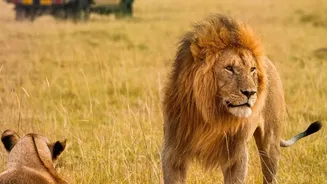
Spotting wildlife post-monsoon presents a unique set of opportunities and challenges. With water sources plentiful and scattered throughout the parks, animals are not forced to congregate around a few specific waterholes as they do in the hotter, drier summer months. This means they are more dispersed. Furthermore, the thick, high vegetation can make spotting them more difficult. However, the cooler, pleasant weather means animals are active for longer periods during the day, not just at dawn and dusk. Herbivores like deer and elephants are often seen grazing in the open meadows. While a tiger sighting might require more patience due to the dense cover, the thrill of tracking them through a revitalised jungle is unparalleled. Birdwatching, on the other hand, is exceptional, with many migratory species beginning to arrive.
Key Parks and What to See
Different parks offer distinct experiences post-monsoon. In Ranthambore, the reopening of core zones 1-5 brings the classic tiger safari experience back to its famous, fort-dotted landscape. At Jim Corbett, the flowing Kosi River and dense Sal forests are a major attraction, with elephant herds and a rich diversity of birds being common sights. Kaziranga in Assam, a UNESCO World Heritage Site, reopens to showcase its iconic one-horned rhinoceroses against a backdrop of verdant grasslands. The parks of Madhya Pradesh like Kanha and Bandhavgarh, known for their high tiger densities, offer a chance to see the big cats in a spectacularly green setting. Satpura National Park, also in Madhya Pradesh, offers a unique experience with options for walking and boat safaris.
Essential Tips for the Traveller
Planning a trip during this period requires some foresight. First and foremost, book your safaris well in advance. Permits, especially for popular parks and zones, are limited and sell out quickly once the opening dates are announced. Secondly, be prepared for cooler mornings and evenings. While the daytime weather is pleasant, temperatures can dip, so packing layers, including a hat and gloves for early morning safaris, is wise. The jungle tracks can still be damp, so sturdy, comfortable footwear is a must. Finally, embrace the jungle in its entirety. While the quest for a tiger is always exciting, take time to appreciate the smaller wonders—the alarm calls of deer, the vibrant birdlife, and the sheer beauty of the regenerated forest.